

Insights & Intelligence.
The manual for modern digital acceleration. Exploring the intersection of high-fidelity engineering and synthetic intelligence.

Google Ads Bidding Change: Your Target CPA and ROAS Stop Being Suggestions on August 17
Starting August 17, 2026, budget-limited campaigns on Target CPA, Target ROAS, or Target CPC (Demand Gen) will deliver more consistently at the bid target you set — if your campaign has been beating its target, expect performance to converge to your number. Here is the audit, the three-question test, and the pre-deadline checklist we are running with clients.
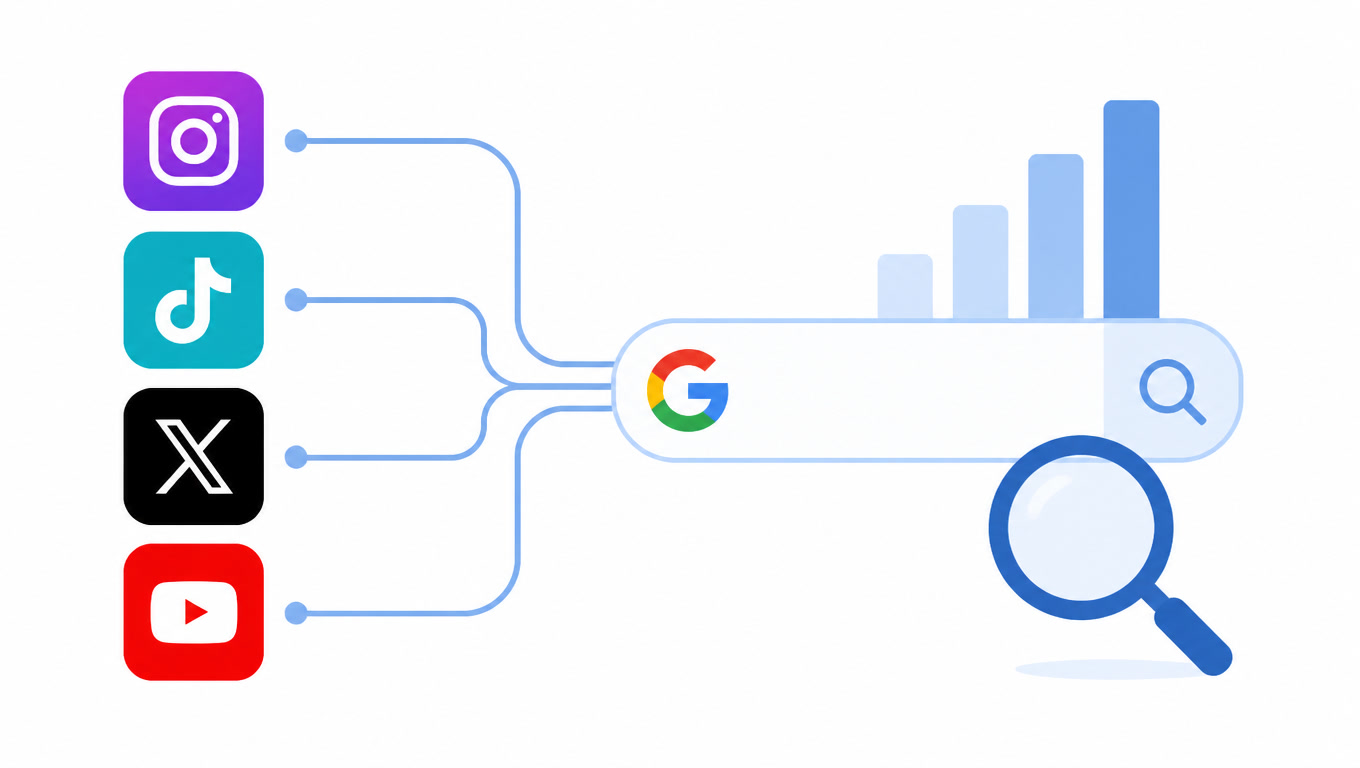
Search Console Platform Properties Are Here: Your Social Content Finally Shows Up in Google's Data
Google rolled out Search Console platform properties for Instagram, TikTok, X, and YouTube to everyone in early August 2026. Here's how to connect them, what data they actually give you, and why they matter for AI search visibility.
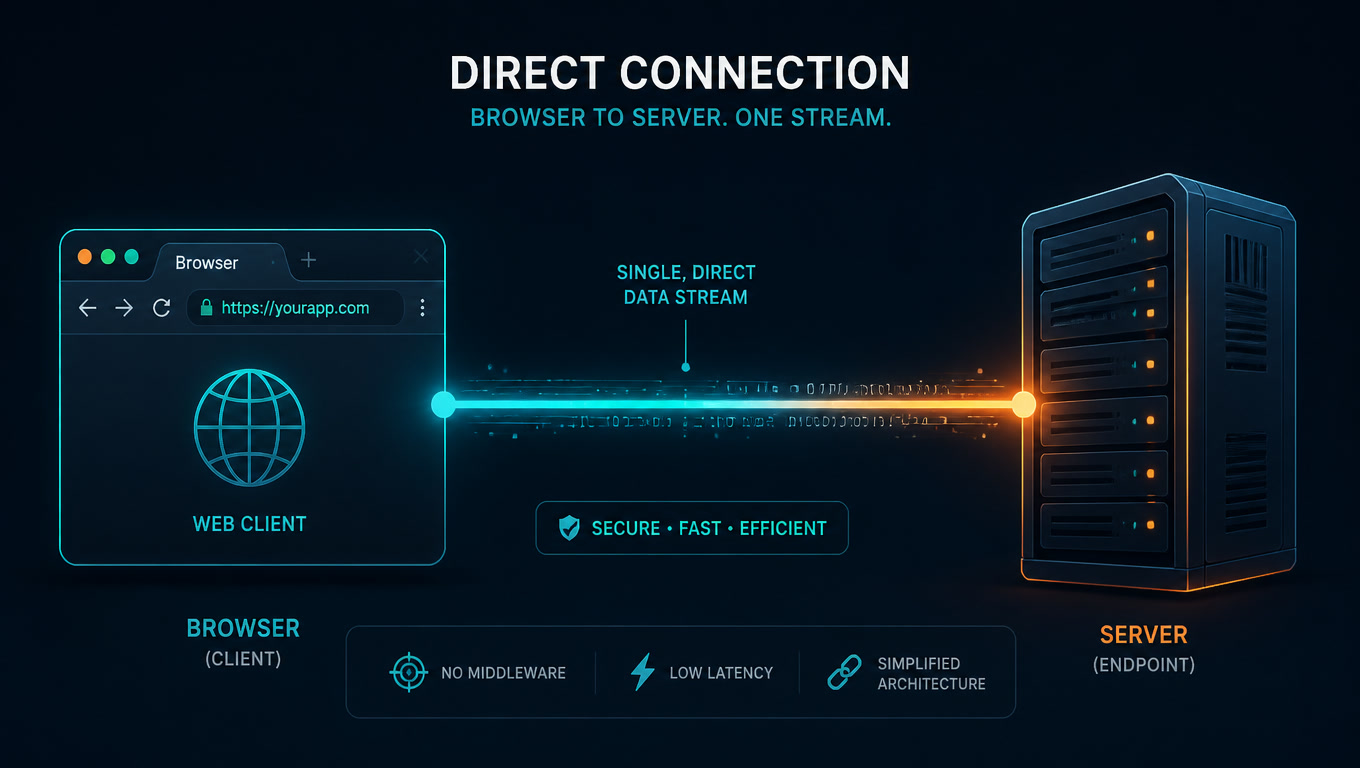
SvelteKit 3 Remote Functions: Is the REST API Layer Dead (and When It Doesn't Matter)
SvelteKit 3 is in preview with remote functions: end-to-end typed RPC that replaces API routes for full-stack apps. We break down when RPC-first architecture beats Astro + headless CMS and when it doesn't, with a decision framework from real client projects.
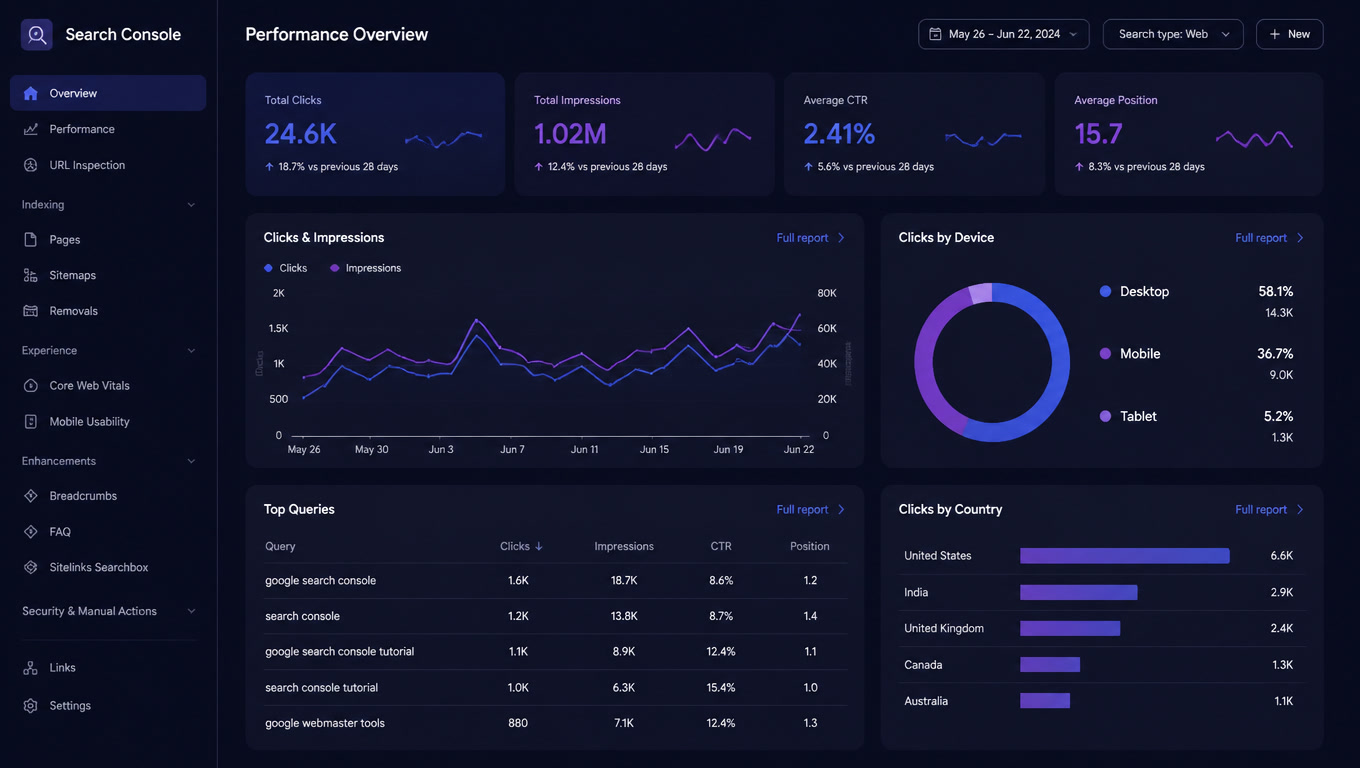
AI Mode Queries Are in Search Console: Where to Find Them (It's Not the AI Report)
AI Mode queries show up in Search Console's regular performance report, not the generative AI reports. John Mueller confirmed it in August 2026. Here's how to spot them, why you'll see queries like "yes" or "yes, pricing", and what to do with that data.
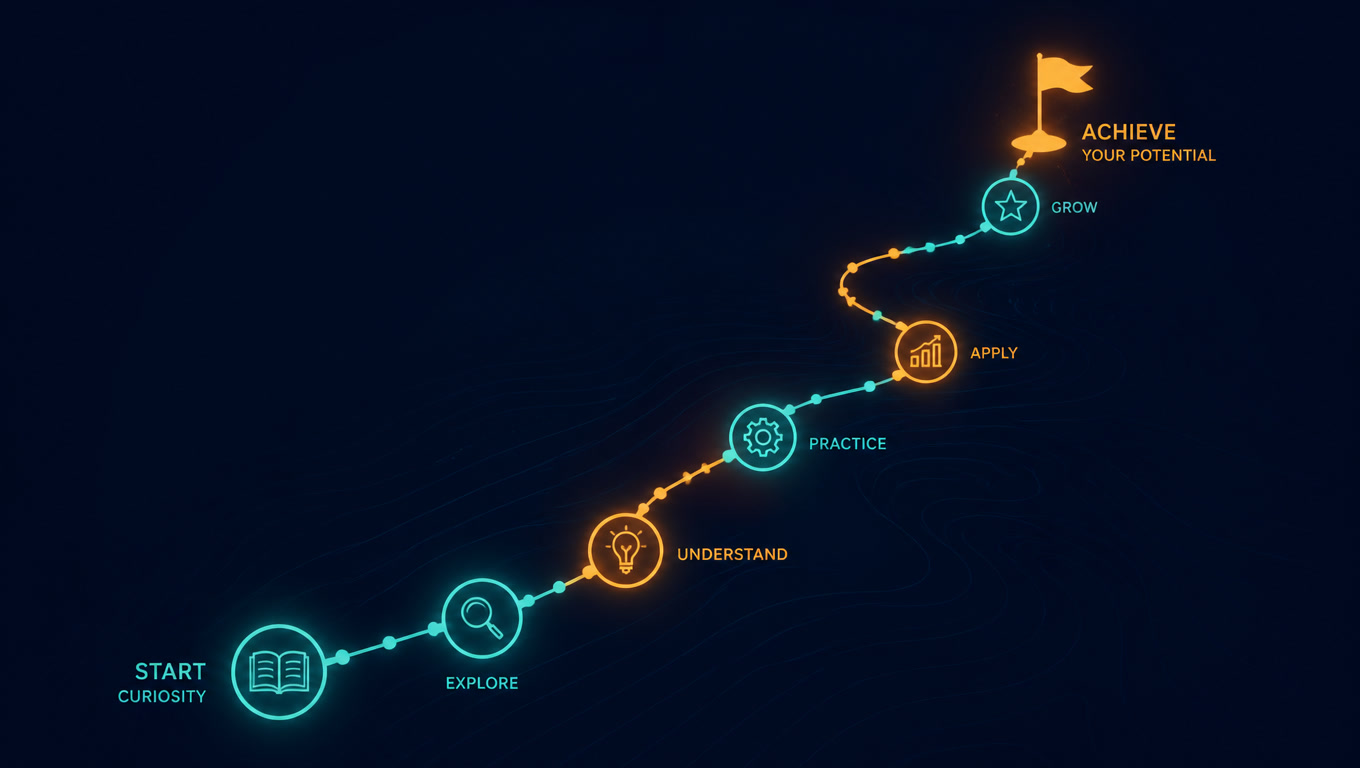
How to Learn AI Automation from Scratch: The Order That Actually Works
Learning AI automation isn't about stacking courses — it's process diagnosis first, one platform deep, then the AI layer. The 4-phase plan we use to train automation talent at Mintec.

Meta Ads MCP Server: AI Agents Can Pause Your Ads
Meta's ads MCP server has been read-write since July 16, 2026: agents can create, edit and pause campaigns. The access tiers we use on 30+ accounts.
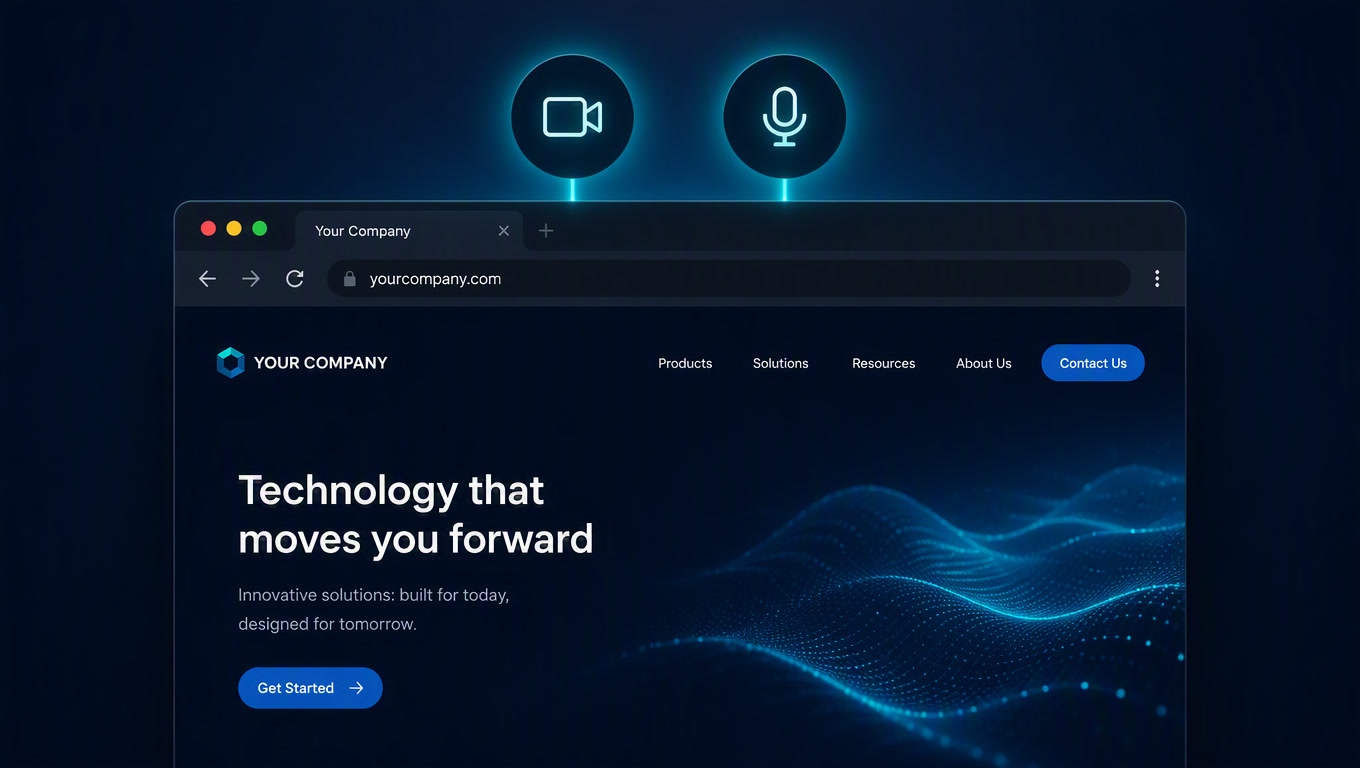
The <usermedia> HTML element: goodbye to the camera and microphone permission hole
Chrome 151 shipped <usermedia>, the HTML element that handles camera and microphone permission for you: the browser owns the prompt, manages recovery after denial, and delivers the MediaStream directly. Origin Trial data from Cisco, Zoom, and Google Meet shows permission recovery jumping from ~10% to 65%+, and this article shows how to migrate your capture flow with progressive enhancement.

Astro 6.4's Sätteri: The Rust Markdown Processor That Cuts Build Times — and What You Give Up
Sätteri is Astro 6.4's opt-in Rust Markdown/MDX processor that shaved over a minute off Astro's own documentation builds — but it does not run remark or rehype plugins. We evaluated it for mintec.co, a bilingual site with more than 750 content files, and concluded the new pluggable markdown.processor API matters more than the speedup itself.
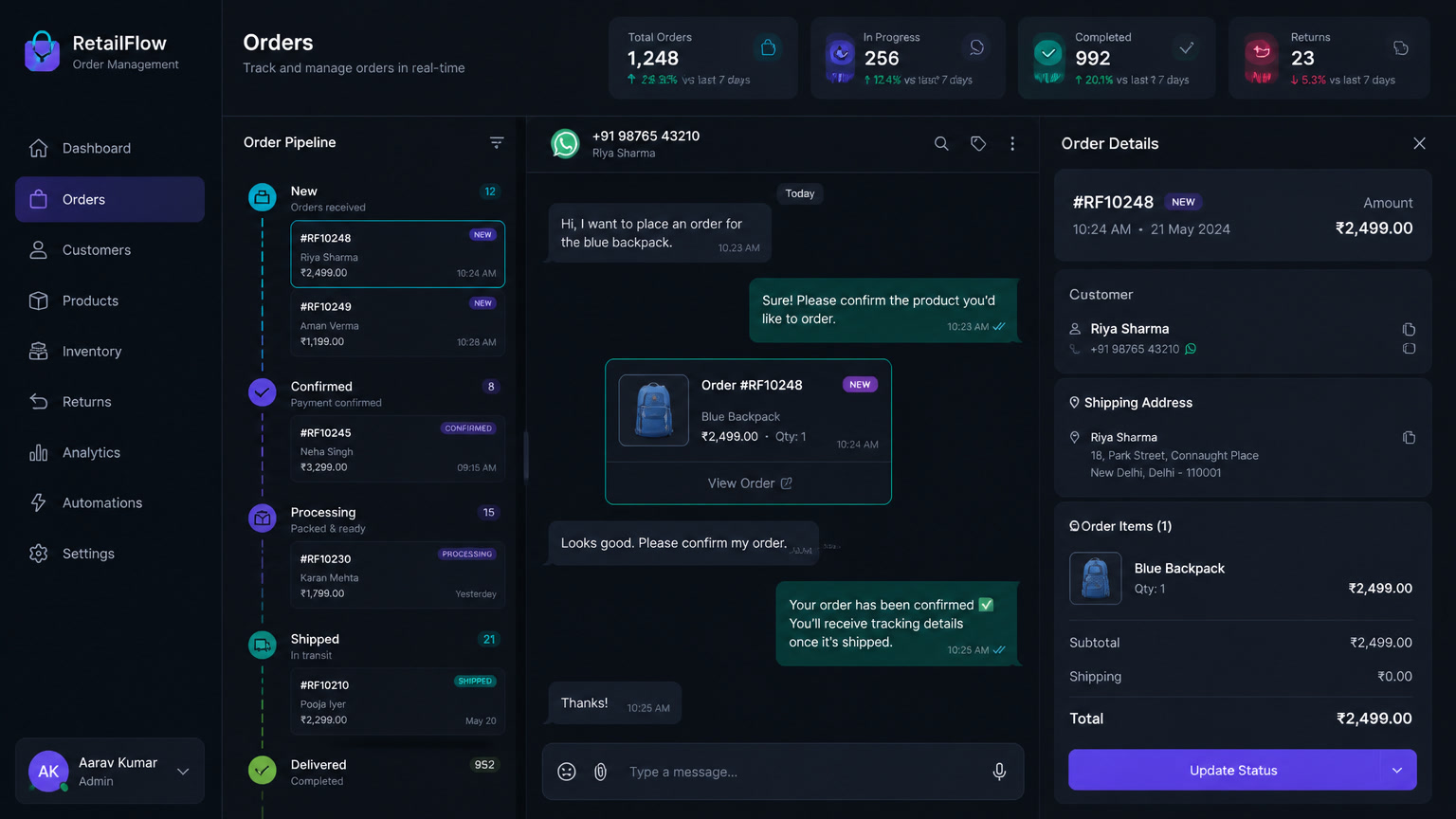
WhatsApp Order Automation for Retail: From Chat to Cash Without Dropping a Single Order
53% of retailers already automate messaging on WhatsApp. Here's the 6-stage order pipeline that captures, confirms, charges, ships, and tracks every order from the chat thread.

Your Google Traffic Collapsed Overnight: How to Diagnose It in the AI Search Era
A 90% overnight drop no longer means a penalty or a technical error. If impressions hold while clicks collapse, that's zero-click: AI Overviews are eating your clicks. A 5-step diagnosis, in the right order.

Testing Threads Ads at Scale: The API Pipeline Most Advertisers Skip
Threads Ads are the cheapest placement inside Meta's ecosystem — CPMs 30-40% below Instagram Feed, double the CTR, and only 0.04% of Meta's total ad spend. But the reason most advertisers fail on Threads isn't budget or creative quality: it's operations. The Threads API, expanded in 2026 with bulk scheduling, publishing and analytics, is the automation layer that makes Threads-native creative testing viable at scale. This is the three-stage pipeline we use at Mintec to test Threads ads before the arbitrage window closes.
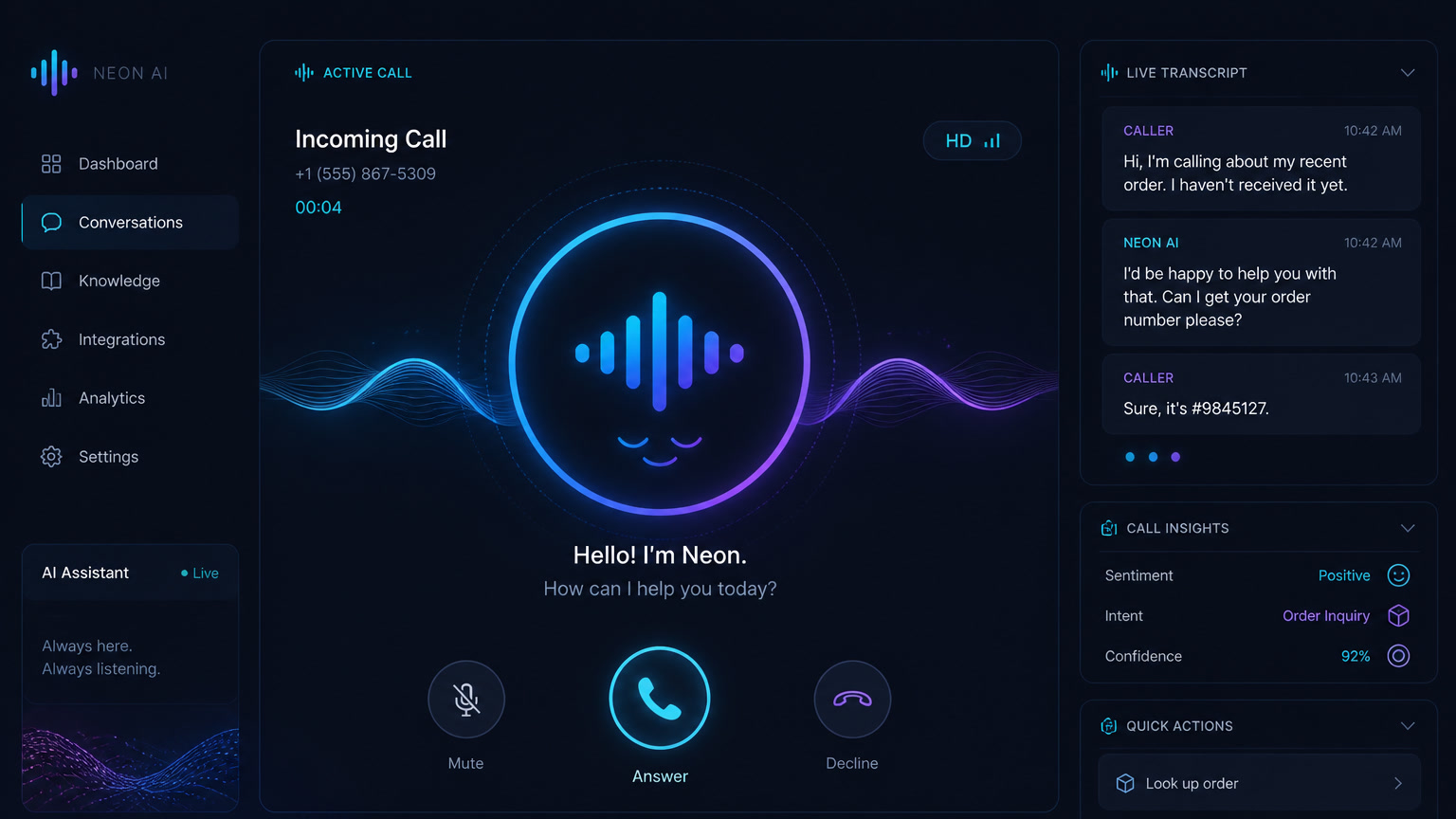
AI Voice Agents for Business: Stop Losing the Calls You Can't Answer
AI voice agents answer calls 24/7 for $50–400/month vs $2,500–5,000 for a human receptionist. Real call data, costs, and a decision framework for your business.