AI Mode now serves ads inline. What that does to organic citations
Google started placing shopping ads inside AI Mode answers on August 31. The five ad formats, why they mimic organic results, and the paid-vs-cited audit we now run for clients.
AI Mode now serves ads inline. What that does to organic citations
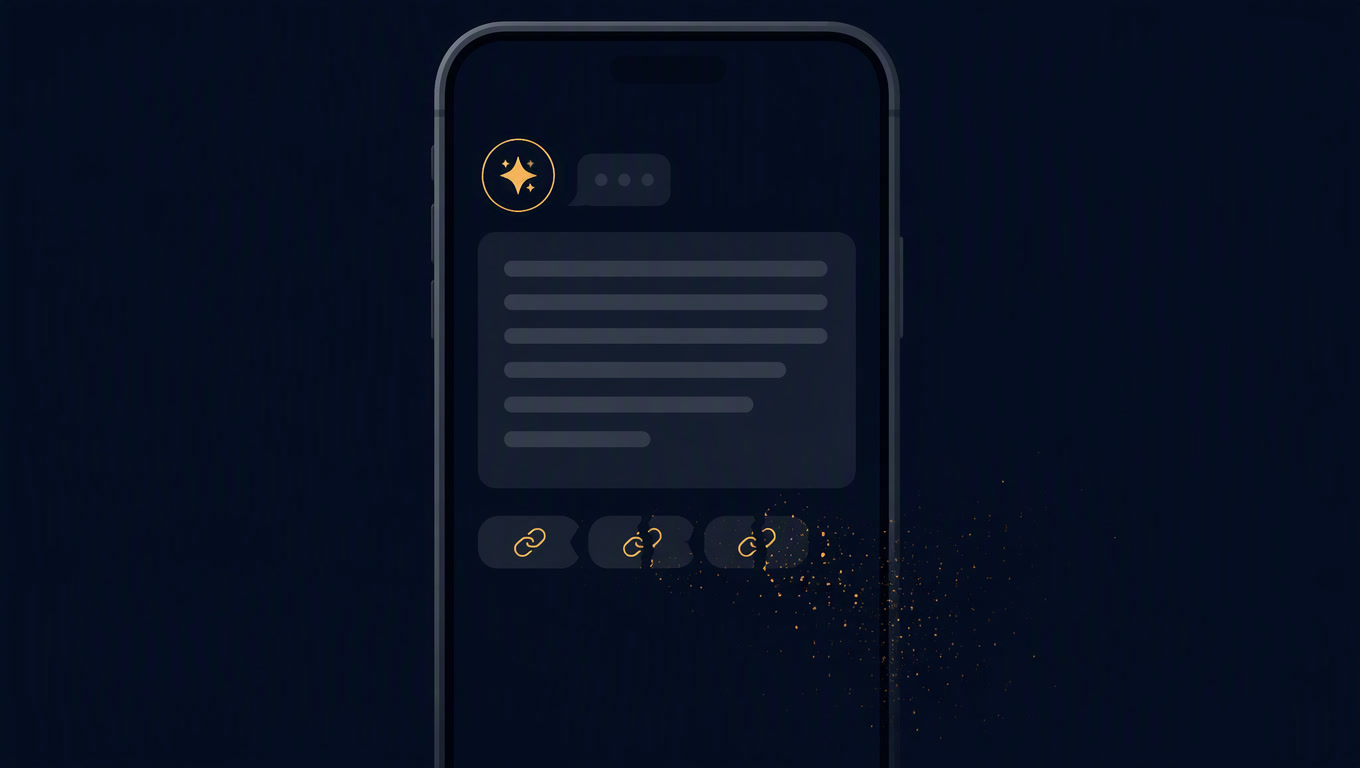
Google started placing shopping ads inside AI Mode answers on August 31, 2026. The ads sit inline in the response, styled to look like the organic results around them. You still cannot buy a slot inside the answer itself, but the monetization has started, and it changes what winning AI search means for anyone selling a product.
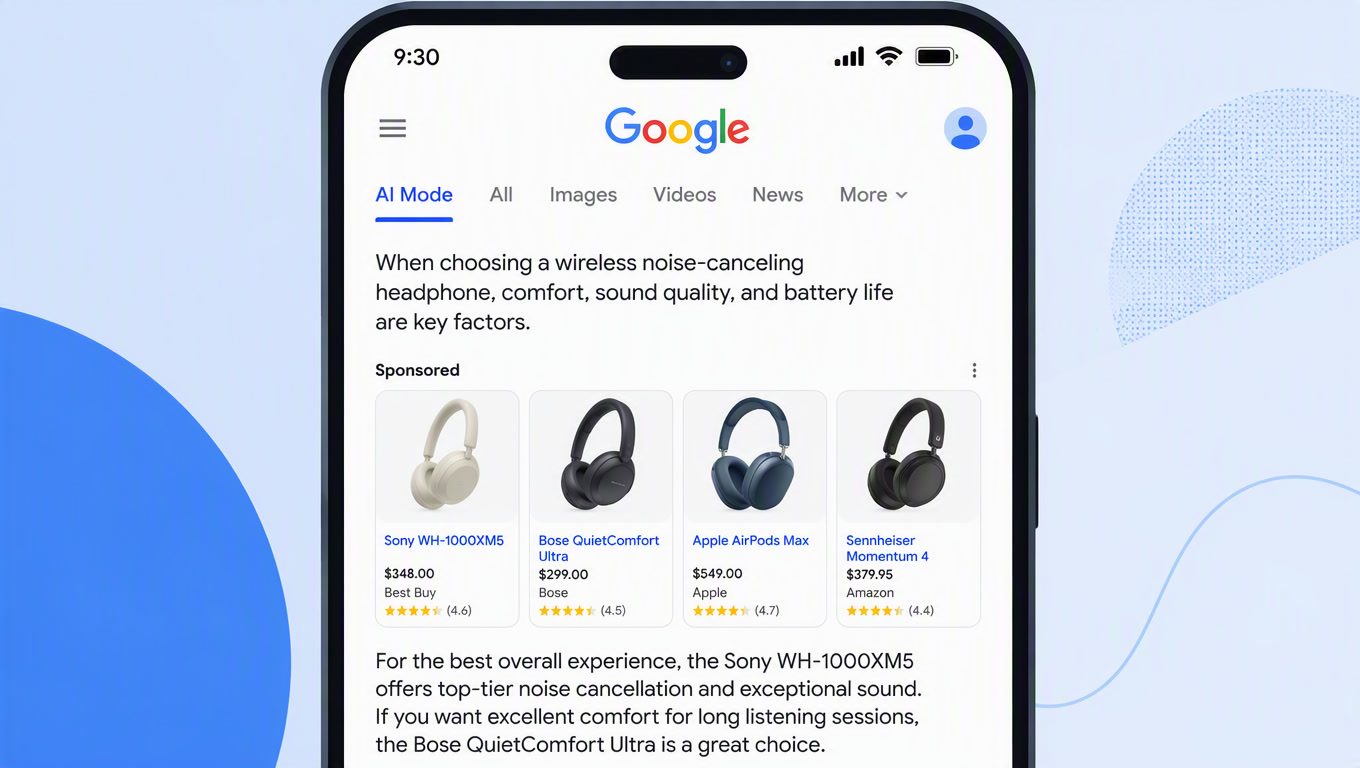
Barry Schwartz covered the change at Search Engine Roundtable the same morning: a shopping carousel, a single shopping ad, and another unit at the bottom of the answer, all inside AI Mode. Brodie Clark flagged it first on the SERPalerts account and called it a big change. The screenshots say more than the headline. The carousel sits inside the answer, between paragraphs, with a small "sponsored" tag. It looks like a feature of the response, not an interruption.
Ads in AI search are not new. AI Overviews has shown them for a while now. AI Mode was the holdout. As of August 31, it is not.
The five ad formats that actually show up
Brodie Clark keeps a live list of AI Mode ad types, and as of late August 2026 there are five that real users have seen.
- Bottom text ads, stacked. The most common format. Several text ads in a grey box at the end of the answer, with headlines built around the query. Any site type can appear here, not just shops.
- Bottom shopping carousel. A row of product cards at the end of the answer: image, title, price, store name, reviews. Only product URLs. It is the AI Mode version of a product listing ad.
- Inline shopping ads. The new one. A single "sponsored" product inside the answer, between citations, formatted like the free listings around it. Clicking it sends you to the product URL through a 302 redirect with ad parameters. Since August it can also render as a carousel inside the response.
- Slim inline shopping ad. A stripped-down unit near the top of the answer: favicon, store name, price, sometimes shipping info. Google keeps it thin on purpose. A heavy ad at the top of a generative answer would look broken.
- Sponsored product grid. Up to four ads above the free listings in a product grid, with labels like "sponsored store" and "all stores", plus a "trending brand" tag. Mostly a US rollout so far.
That is the list today. It will grow.
Why it matters if you are chasing citations
We have been tracking the split between Google rankings and AI citations for a while: the overlap between the top 10 organic results and what AI engines cite collapsed from roughly 70% in 2024 to under 20% by April 2026. The two discovery systems barely resemble each other anymore. Now one of them has a cash register.
The inline format is the part that should worry you. It sits where a cited result used to be the only option, and it mimics the organic design on purpose. Users scanning the answer see a product with image, price, and reviews before they see the citation paragraphs. If that product belongs to a competitor and the citation belongs to you, you are losing the glance war inside the answer. Zero-click behavior in AI Mode was already the norm for most queries. Paid units accelerate it.
The honest read: for ecommerce queries, the answer stopped being a text surface. It is a storefront.
What we tell clients
Three things, in order.
1. You cannot buy your way into the answer. Yet. Placement in AI Mode is automatic. There is no campaign type, no bid adjustment, no targeting toggle that says "put me inside the AI answer". Google decides where and when ads render. Anyone selling "AI Mode placement" as a service is selling something that does not exist.
2. If you run Shopping campaigns, you are already there. The carousels, grids, and inline units pull from the standard Shopping feed. No new setup needed. That is the strange part. You can be inside the answer without knowing it, you can be cited without paying, and you can be both at once.
3. The only slot you control is the citation. Since placements cannot be bought, the cited paragraph is the only part of the answer your team can influence. For non-commerce sites, the bottom text ads are the only paid format, so the answer body is the entire battlefield. That is why the audit below exists.
The paid-vs-cited audit
We run this for every client with commercial queries. It takes about an hour and it produces the list of queries where money is competing with content inside AI Mode.
- Pick ten commercial queries in your category. Product terms, "best X" terms, comparison terms. Write them down before opening a browser.
- Run each one in AI Mode from a fresh session. For every query, log: did ads appear, which format, where in the answer, and which sources got cited.
- Score each query. Cited only, paid only, both, or neither.
- Apply the rules. Both means your content holds the answer while your feed shows products; keep both alive. Paid only means the feed works but the model does not cite you, so fix the citation profile the same way you would for a cold start. Neither means the query is still organic, and that is the one where a good cited answer is worth the most.
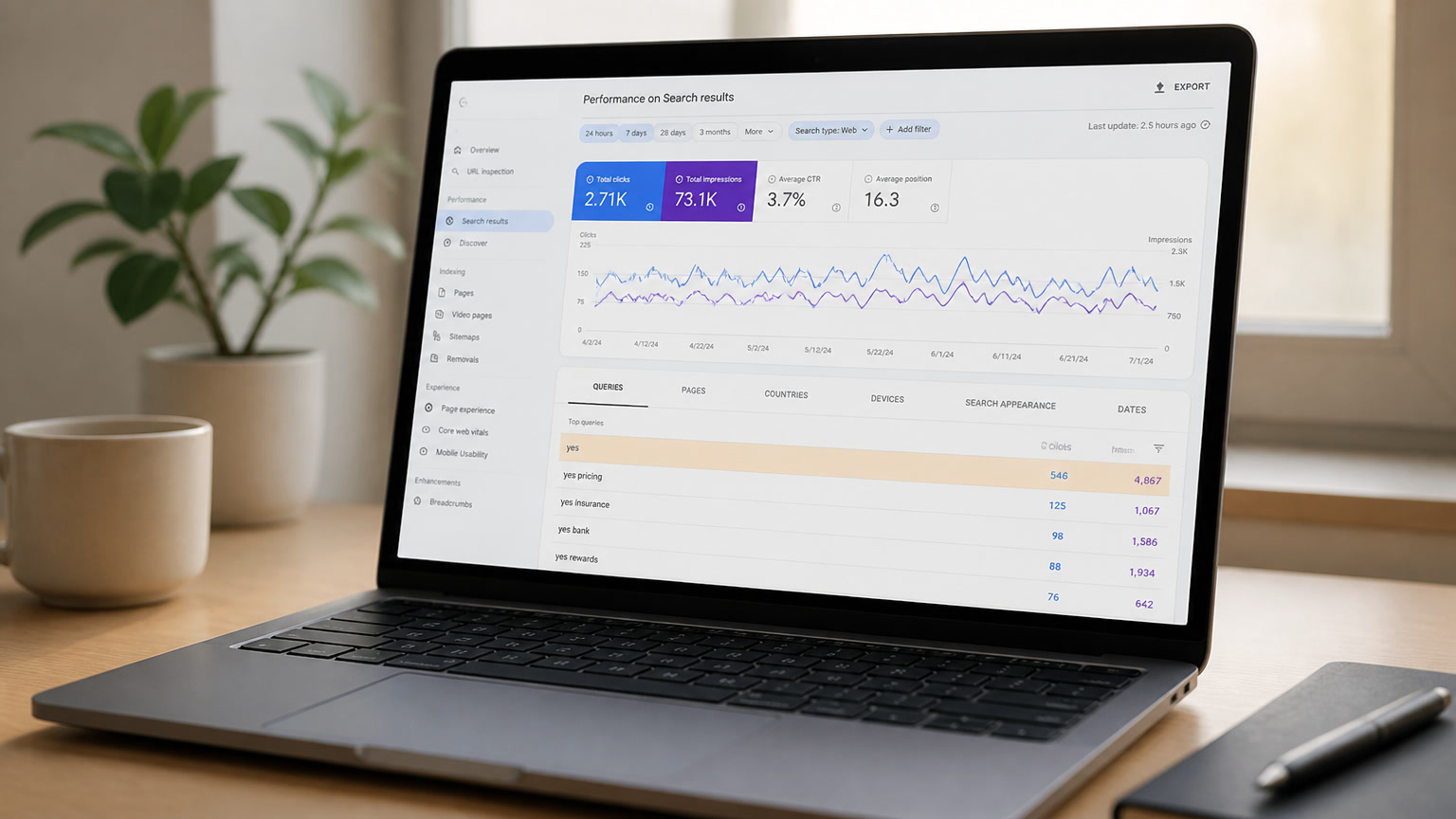
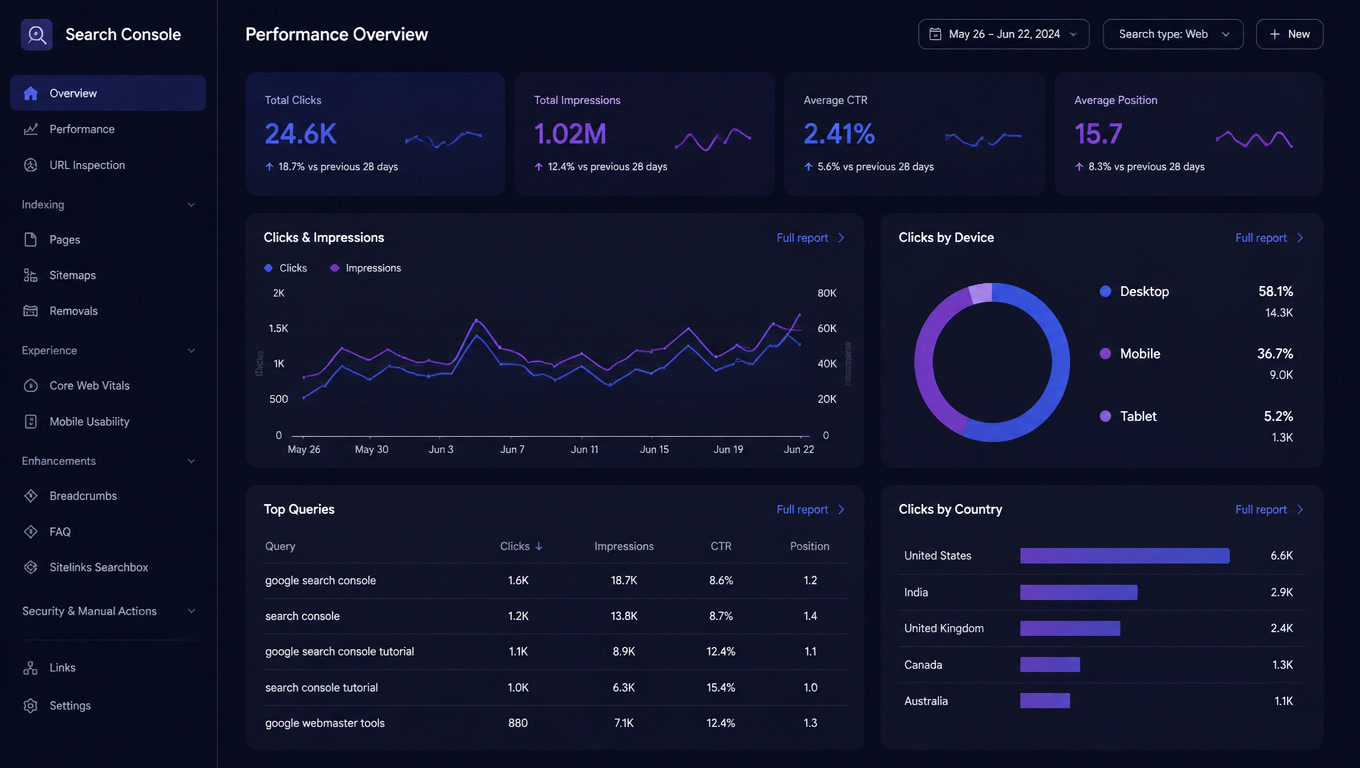
- Repeat monthly, and pull AI Mode queries from Search Console alongside it. That report now shows these queries, and it tells you which answers actually earn clicks instead of just existing.
If you want a shorter version, the same logic lives inside the 30-minute GEO audit we published earlier.
What I would hold off on
The formats Google announced in May, conversational discovery ads and highlighted answers, are mostly still invisible to users. Do not build a strategy around formats you cannot observe. Watch the running list, run the audit, react when a format actually shows up. The people reacting earliest are winning these surfaces, and the bar is low right now because most teams do not look at all.
The call
AI Mode stopped being a purely organic surface on August 31. That is not a reason to panic, and it is not a reason to ignore it. If you sell products, turn Shopping on if it is not on. If you sell anything, run the audit and fix the queries where the answer belongs to someone else. The window where the citation is the only way into the answer is still open. It is probably the last one of its kind.
Frequently Asked Questions
Can you buy ads directly inside Google AI Mode?
Not yet. Google places ads in AI Mode automatically through its advertising models. There is no campaign type, bid adjustment, or targeting option that says 'AI Mode placement'. That is why the cited answer is still the only slot inside the response that a brand can actually influence.
Do the new AI Mode ads affect organic citations?
They compete with them for attention, not for ranking. Inline shopping ads sit exactly where a cited product used to be the only option, and they are designed to look like the organic results around them with a small 'sponsored' label. The citation still appears, but it now shares the glance with a paid unit.
Which ad formats can appear in AI Mode?
Five, as of August 2026: stacked text ads at the bottom, a shopping carousel at the bottom, inline shopping ads mixed into the answer, a slim non-rich inline shopping ad, and sponsored product grids above free listings. Google announced more formats at Marketing Live in May, including conversational discovery ads, but most have not surfaced at scale.