

93% of AI Mode Searches End Without a Click — Here's What Still Gets Traffic
Google AI Mode ends 93% of searches without a click. But 7% do get traffic — and it converts 23% better. Here's the content framework that determines whether your post survives or gets absorbed.
93% of AI Mode Searches End Without a Click — Here's What Still Gets Traffic
Here's the number everyone in SEO is staring at this month.
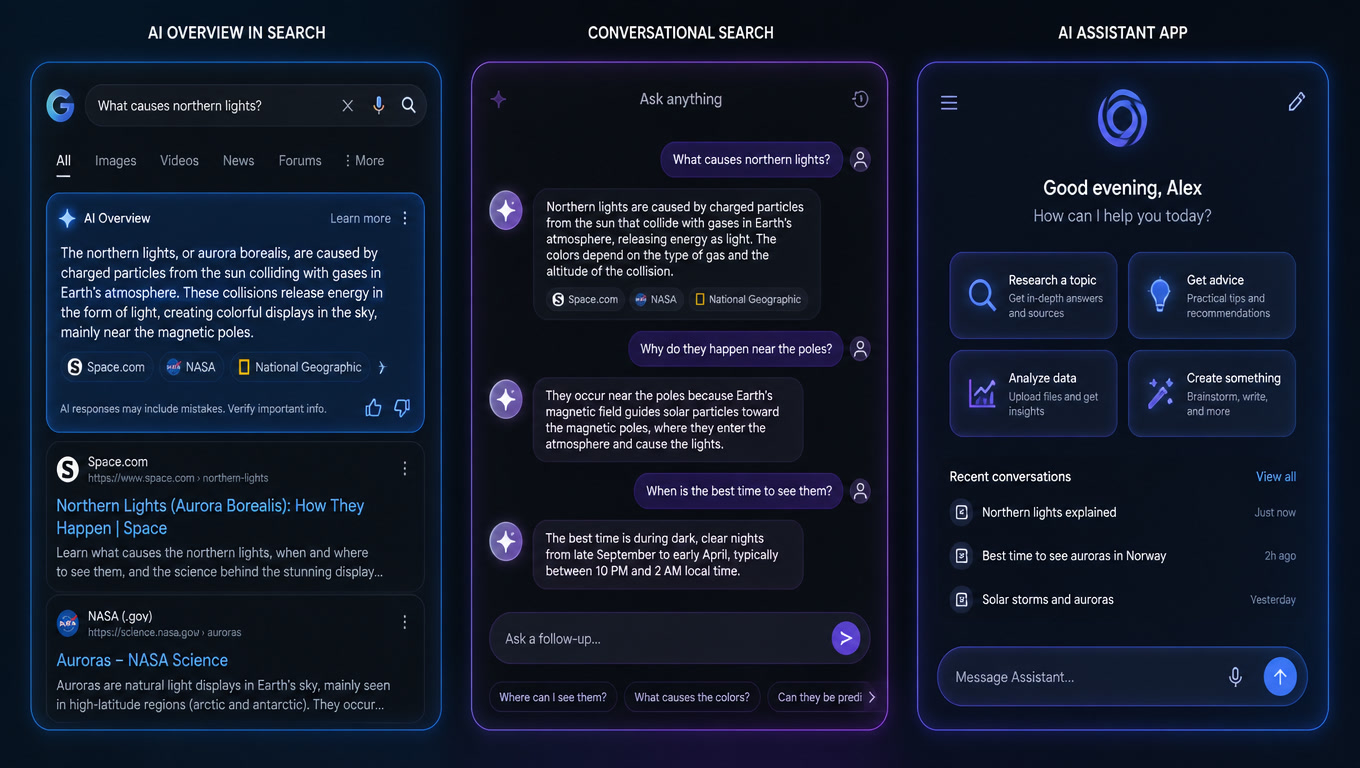
93% of Google AI Mode searches end without a single click to an external website. That's from Seer Interactive's analysis of 25.1 million organic impressions across 42 organizations. Not a small sample. Not a cherry-picked outlier.
The immediate instinct is panic. And I get it — if you've spent the last decade building traffic on informational content, this number is existential.
Here's what I find more interesting. The 7% of clicks that survive convert 23% better than pre-AI Mode clicks, according to the same data set. Users who click through from AI Mode don't want a definition. They want to do something.
So the useful question isn't "is content marketing dead?" It's "is the content you're producing the kind the AI absorbs — or the kind that still earns a click?"
Not all content dies the same way
This is the part most hot takes get wrong. They frame AI Mode as a flat traffic killer, but the impact varies wildly by content type.
Some formats lose 70% of their traffic. Others lose almost nothing. A few actually gain.
The difference comes down to a simple question: can the AI complete the user's task on its own?
If yes — your content gets absorbed into the AI's answer and the user never leaves. That's definitions, simple how-tos, lists that aggregate information the AI already has access to.
If no — the user still needs to click because the AI hit a wall. That's transactions, proprietary data, interactive experiences, and community validation.
I've been tracking this across Mintec's own content and client sites since AI Mode rolled out. The pattern holds consistently.
The Content Resilience Framework
Here's how I think about it — a 2×2 grid that predicts whether a given piece of content will survive AI Mode.
The axes are simple: query intent (informational → transactional) and content nature (static knowledge → dynamic/original).
| Informational query | Transactional query | |
|---|---|---|
| Static knowledge | ❌ Absorbed — AI summarizes perfectly | ✅ Survives — AI can't close the deal |
| Dynamic / original | ✅ Survives — AI needs to cite the source | 🏆 Best position — AI can't replicate the experience |
Quadrant 1: Static informational — the dead zone
This is where most blog content lives. Definition pages, "what is X" explainers, simple how-to guides, listicles that aggregate publicly available data.
The AI reads your page, extracts the answer, and reformulates it in its own response. No click needed.
Examples: "What is GEO?", "How to write a meta description", "10 best CRM tools for small business"
Impact: 60-80% traffic decline in AI Mode sessions
What to do: Don't abandon this content — it still drives rankings-based traffic and can attract AI citations for your brand. But stop making it the centerpiece of your content strategy.
Quadrant 2: Transactional static — the safe zone
Product pages, pricing pages, booking forms, checkout flows. The AI can describe a product, but it can't process a payment, create an account, or schedule a demo.
These pages survive because the user's intent requires a destination.
Examples: "HubSpot pricing 2026", "Book a strategy call", "Buy [product]"
Impact: Minimal traffic loss (5-15%)
What to do: Make sure your transactional pages have strong E-E-A-T signals and structured data so the AI recommends you over competitors. This is where the citation game matters most.
Quadrant 3: Dynamic informational — the citation sweet spot
Original research, proprietary data, survey results, expert analysis. The AI can't generate this content — it has to cite it. And when it does, users often click through to see the full data set.
This is the quadrant where Mintec's content lives. And it's where I'm seeing the best results.
Examples: "We analyzed 1,000 AI-cited pages — here's what we found", "2026 State of GEO Report"
Impact: Minimal traffic loss; citation referral traffic increases
What to do: Invest in original data. Surveys, experiments, longitudinal studies. Create something the AI can't make up. If your content is the source, not the summary, you win.
Quadrant 4: Dynamic transactional — the winner's circle
Interactive tools, calculators, configurators, quizzes, assessment wizards, user community platforms. These combine transactional intent with something the AI cannot replicate: real-time interaction and user-specific output.
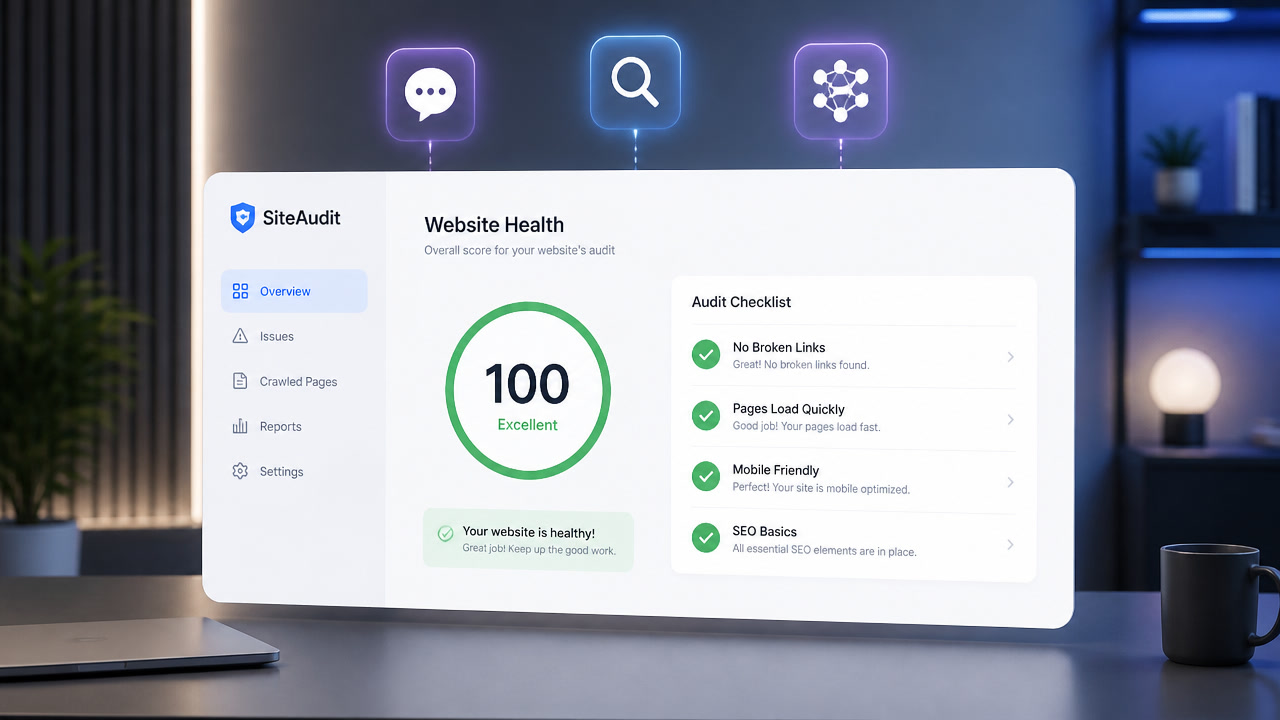
Examples: "SEO ROI calculator", "Website audit tool", "Pricing configurator", "Community Q&A forum"
Impact: Traffic often increases — these tools get cited as destinations for the user to "try it yourself"
What to do: If you have budget for one content initiative this quarter, build an interactive tool. It's the most AI-resilient format available.
What this means for your content calendar
I've seen too many content strategies that are 80% Quadrant 1. It made sense in 2022 — write definitions, rank for keywords, collect traffic. But in 2026, that math doesn't work anymore.
Here's the pragmatic shift:
Stop producing informational content unless it carries original data or a strong point of view. A post titled "What is generative engine optimization" with no original research will get absorbed into an AI answer. A post titled "We tested Google's official GEO guide on 3 client sites — here's what actually worked" has a chance of getting cited and clicked.
Add transactional elements to informational content. Can't make a calculator? Include a comparison table with real numbers from your clients. Include an embeddable checklist. Give the user a reason to interact, not just read.
Audit your existing content through the resilience lens. Run your top 50 posts through the framework above. How many are in Quadrant 1? How many can you shift to Quadrant 3 or 4 with updates?
The honest take
I don't think the zero-click crisis is a temporary adjustment. AI Mode has 1 billion monthly users, and it's only going to grow. Google is systematically reducing the friction between question and answer, and that friction was the click.
But the death of the click doesn't mean the death of content marketing. It means the kind of content that earns one has narrowed to things the AI simply can't do for the user.
That narrows down to a pretty short list: build tools they can't get from a paragraph. Publish data the AI has to cite rather than summarize. Take actual positions instead of neutrally reporting what both sides think. Make your content something the AI has to reference, not something it can absorb.
Frequently Asked Questions
What percentage of Google AI Mode searches end without a click?
93% — according to Seer Interactive's analysis of 25.1 million organic impressions across 42 organizations. Only 7% of AI Mode sessions result in a click to an external website.
What content types still get traffic in AI Mode?
Transactional destinations (product pages, booking flows), original data and research, community content (reviews, forums), interactive tools (calculators, configurators), and branded/navigational searches. These formats survive because the AI can't replicate their core function.
Does zero-click traffic from AI Mode mean SEO is dead?
No — but it changes which content formats work. Informational content like definitions and simple how-tos are getting absorbed into AI answers. The clicks that do survive convert 23% better because they come from higher-intent users. The playbook shifts from volume to selectivity.