
A Day Without Citations: The Gemini 3.8 Flash AI Mode Bug and What It Proves About GEO
Gemini 3.8 Flash stopped citing sources in AI Mode for almost a day. Timeline, Google's fix, and how to detect a citation outage in your own data.
A Day Without Citations: The Gemini 3.8 Flash AI Mode Bug and What It Proves About GEO
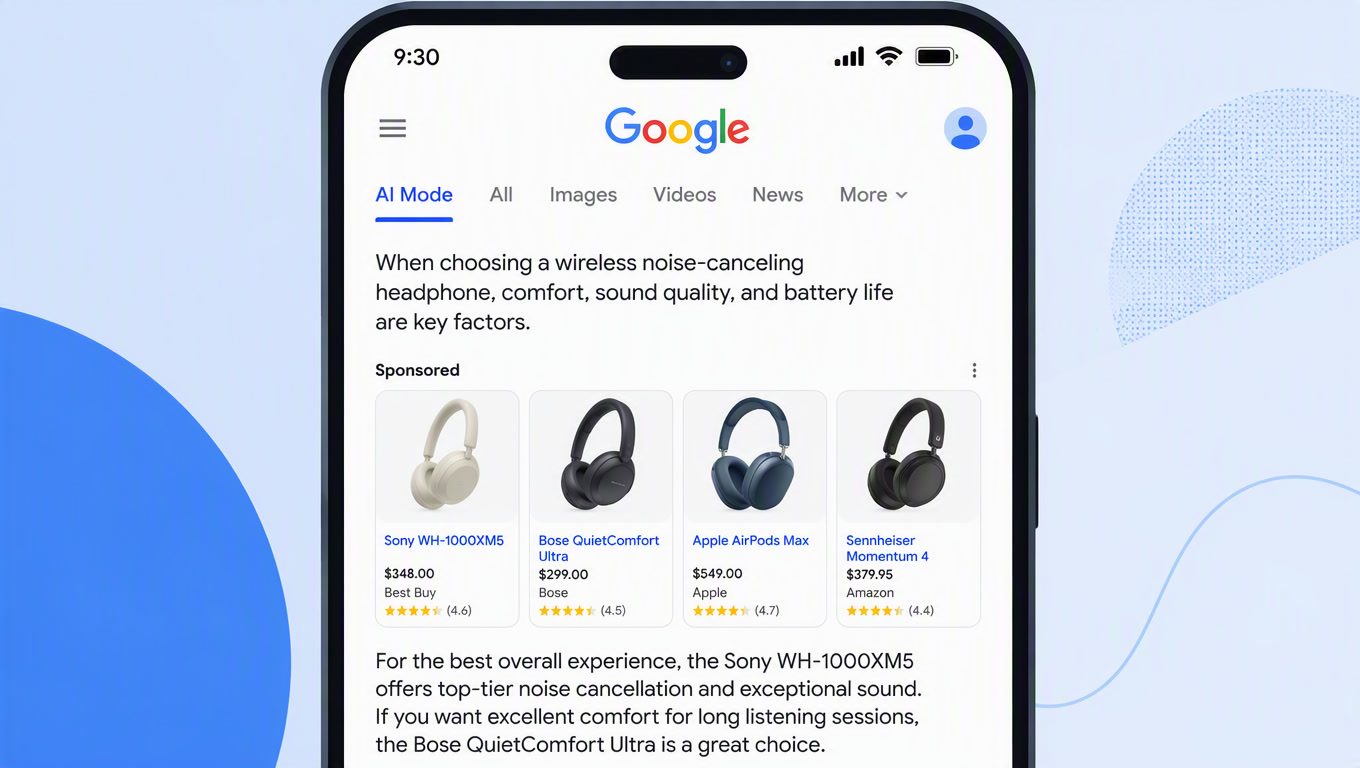
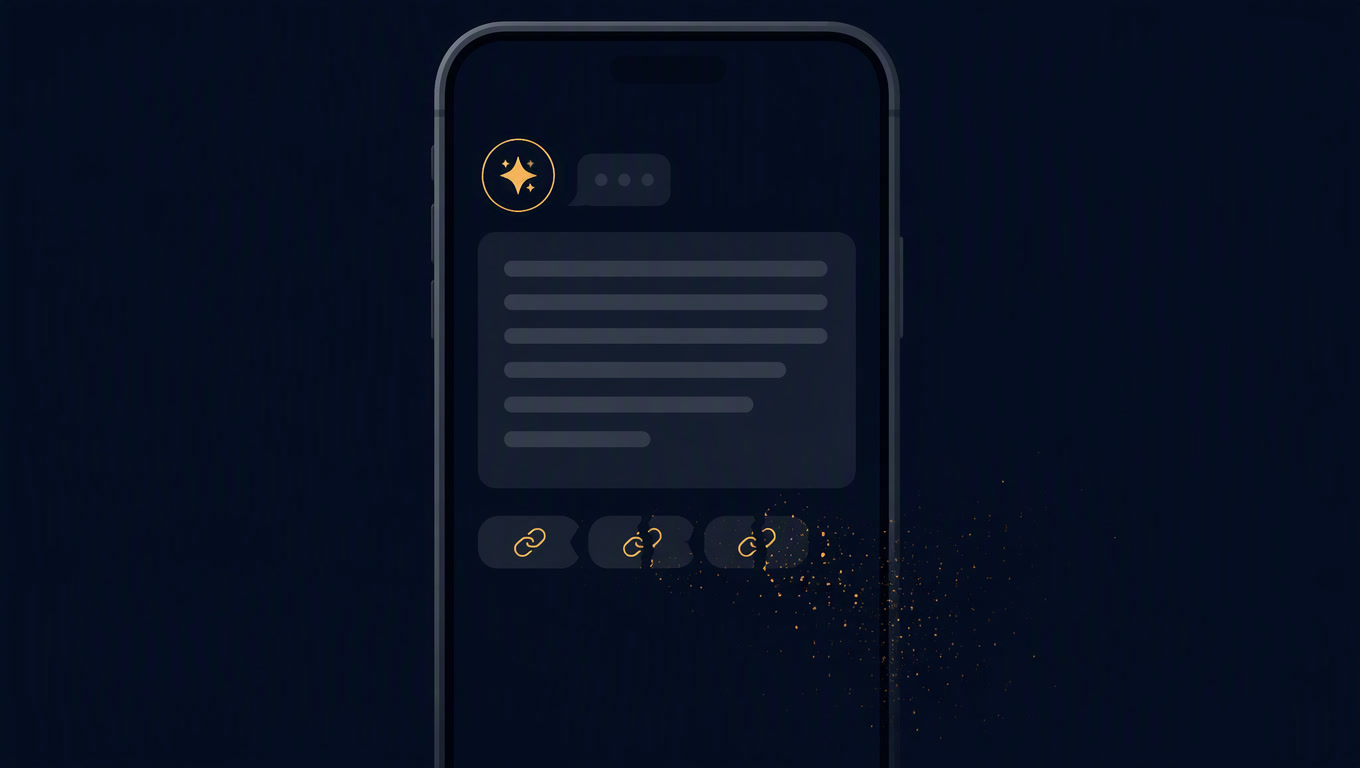
On September 3, 2026, AI Mode running Gemini 3.8 Flash stopped citing sources. Clean answers, no links, no attribution, especially on top-of-the-funnel queries. Gagan Ghotra caught it first, Glenn Gabe confirmed it with screenshots, Barry Schwartz covered it at Search Engine Roundtable, and Robby Stein, VP of Product at Google Search, admitted on X that it was not working as intended. Links were back the next morning. It was the first documented citation outage in a major answer engine, and it lasted less than a day.
Last week we broke down what happens when Google swaps the model behind AI Mode: your citations reorder. On Tuesday, September 2, Google shipped Gemini 3.8 Flash, its third Flash release in six weeks, and Robby Stein put it in AI Mode's model selector for AI Pro and Ultra subscribers the same day. The next day, while everyone was testing the new model, something more extreme than a reorder happened: citations vanished entirely.
The timeline of the outage
The facts, dated and sourced, because stories like this get mangled fast:
- September 2. Google announces Gemini 3.8 Flash, described as its best reasoning and coding model yet, and wires it into AI Mode the same day. Paid subscribers only, selectable from the model menu.
- September 3, early. Gagan Ghotra of Search Engine Watch tests 3.8 Flash in AI Mode and notices the answers carry no citations. No links at all, especially on top-of-the-funnel queries. He posts screenshots on X and an article documenting the behavior. Glenn Gabe files the same report with his own screenshots.
- September 3, 8:05 p.m. ET. Robby Stein replies to Barry Schwartz on X: "This isn't working as intended, and we'll roll out a fix soon." Search Engine Land reports it that same night.
- September 4, around 7 a.m. ET. The links come back. Ghotra confirms at 10:40 a.m.: "OK, looks like Gemini 3.8 Flash is now providing links. When it first rolled out, there was a bug and there were barely any links being provided." Gabe: "Amazing, I'm glad this is a bug. I knew something wasn't right."
Under 24 hours between first report and fix. A small, contained bug with zero impact on the default experience. And still, it's one of the most important things that happened to AI search this year.
What the outage proves
First, the obvious: your citations can vanish overnight while you change nothing on your site. The biggest variable in GEO is not your content, it's the model. Google rotates Flash every three weeks, bugs ship to production, and citation behavior can shift or break with zero announcement. Last week it was reordering. This week it was a blackout.
Second, and this is the part nobody wants to hear: when the citation layer breaks, nothing you did to "optimize for the model" matters. No GEO technique survives an engine that does not cite. What's left is the base layer: indexed, eligible, and genuinely the best answer. And when the wiring gets repaired, that same base decides who gets cited again. The foundation work is the only work with memory.
Third, the SEO parallel: this is the AI-search version of losing your featured snippet overnight, except worse. With a snippet you could edit the page and fight to reclaim it. Here there was nothing to reclaim, because the failure was not in your page or any page. It was in the plumbing. Every website on earth took the same hit at the same time.
Fourth, the detail that bothers me most: the bug only hit paying subscribers. But subscribers are Google's test track for what later becomes default. If a low-citation 3.8 Flash variant had passed internal review, that configuration had a direct path to everyone. It did not happen this time. The question is when a variant like that does pass, and whether we find out before or after.
What a citation outage looks like in your data
The practical part. If you manage AI visibility, you need to tell a platform outage apart from a content decline, because the correct response is the exact opposite. With an outage you touch nothing. With a content decline you touch everything.
| Event | What changes | How it shows up in your data | What you do |
|---|---|---|---|
| Model swap (3.7 to 3.8) | Cited sources reorder | Cited pages change, totals hold | Rebaseline and wait 2-3 weeks |
| Citation bug (3.8, Sep 3) | Links disappear | One-day drop in AI referrers, impressions flat | Do nothing, wait for the fix |
| UI change (expanded AI Overviews) | CTR of classic results drops | Impressions stable, CTR falls | Optimize to be cited, not clicked |
| Your content declines | The engine stops choosing you | Sustained drop in one cluster, not everything | Audit that section, refresh data |
The five-step diagnosis when LLM traffic drops
This is what we run when AI traffic falls, and what you should run too. It comes from our weekly LLM traffic reporting practice:
1. Touch nothing for 24-48 hours. The first instinct is "my content went stale." That is almost never it. A one-day dip that recovers on its own is platform-level, and editing your pages just pollutes your baseline.
2. Isolate the engine. Did Gemini drop, ChatGPT, Perplexity, or all of them? One engine down means an engine problem. Everyone down means your problem. During the September 3 bug, only Google's Gemini surfaces would have dropped.
3. Isolate the scope. Did all your AI traffic fall, or just one cluster of pages? All of it is platform. One cluster is content.
4. Cross the dates with the product timeline. Was there a model release, a UI change, a story on Search Engine Roundtable? The 3.8 bug is a textbook case: release Tuesday, outage Wednesday, fix Thursday. The news and the symptom land inside the same 24 hours.
5. Only then touch content. And only pages that were pulling citations before the drop. The ones that had none did not gain any from a bug.
If this feels like a lot of process for a one-day event, you are looking at it through a monthly dashboard. A 24-hour outage is invisible there; the average moves one point. In our weekly report it shows up as a clear notch. Citation volatility is high enough that without weekly cadence you cannot tell a bug from a trend.
The bug also settled an argument
All year we have watched services sell "citation guarantees," miracle AEO tactics, and hacks to show up in whichever model is trending. September 3 ran a steamroller over all of it. It does not matter what guarantee you hold: if the engine stops citing, nobody gets cited. And when it comes back, the base wins. Indexed, eligible, best answer.
We see it in our own reports: comparison and data pages earn citations consistently, trick pages do not. The citable format survives bugs because it survives model swaps, and model swaps arrive every three weeks.
The citation paradox in AI Overviews already told us you can be cited and still not get the click. Now we have the extreme case: you can be uncited, with nothing you can do about it. That is why serious GEO looks like serious SEO: solid base, citable formats, measurement cadence. Everything else is noise.
The links came back. The bug got fixed. But those hours without citations stay as the best reminder that the control of this game is not in your content. It is in the engine. Read the AI search reports properly and measure like the next outage could happen tomorrow, because it could.
Frequently Asked Questions
Did Google fix the Gemini 3.8 Flash citation bug in AI Mode?
Yes. Links were back by the morning of September 4, 2026, less than a day after the first report. Robby Stein, VP of Product at Google Search, confirmed on X that the behavior was not working as intended and that a fix was coming. It landed before 7 a.m. ET on September 4.
Was my site affected if I don't have Google AI Pro or Ultra?
The bug only affected answers generated by Gemini 3.8 Flash, which only AI Pro and Ultra subscribers could select in AI Mode's model menu. The default experience never changed. If a subscriber cited your page during those hours, you may have seen a one-day dip in referrals. It is not a permanent change.
How do I know if a citation outage hit my site?
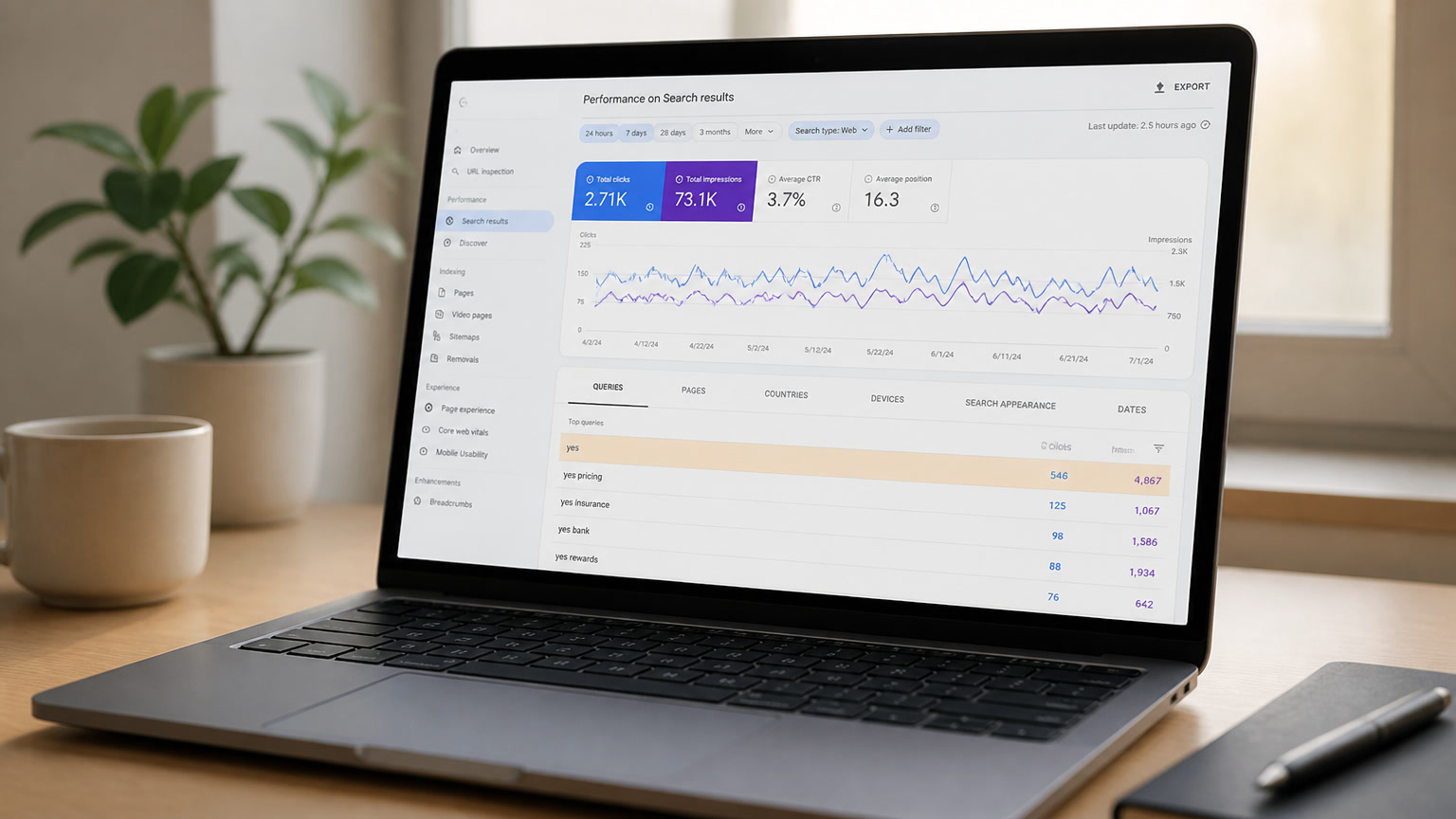
Check your AI referrers in analytics for a one-day drop in Gemini or Google, compare the date against model releases and news timelines, and look at daily impressions in the Search Console generative AI report. If the drop coincides with a model deployment and recovers on its own within 24-48 hours, it was platform-level, not a content problem.