Google Swapped AI Overviews to Gemini 3. Most GEO Advice Missed What Changed.
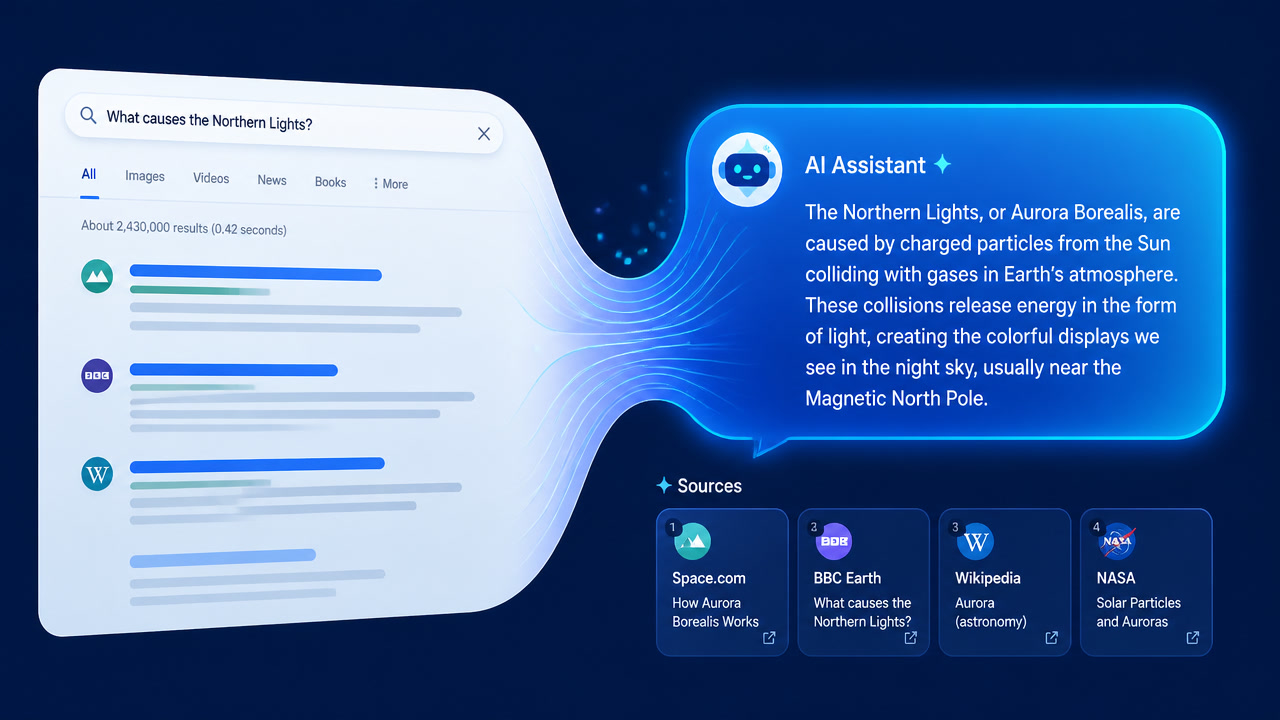
In January 2026, Gemini 3 became the default model behind Google AI Overviews worldwide. Answers got more conversational and the funnel changed: query, cited summary, follow-up question, maybe a click. Here's what that means for your GEO strategy.
Google Swapped AI Overviews to Gemini 3. Most GEO Advice Missed What Changed.
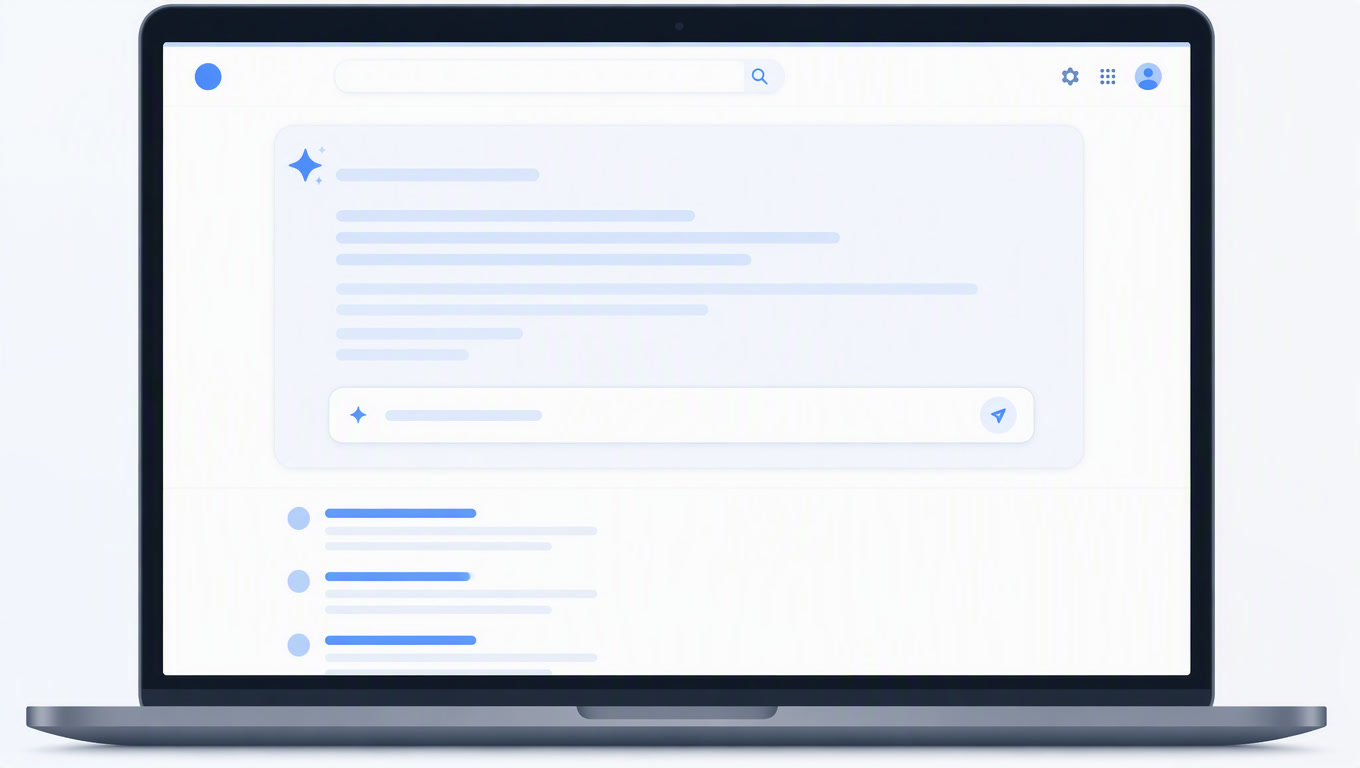
In January 2026, Google made Gemini 3 the default model behind AI Overviews everywhere. The answers got more conversational. That part got covered everywhere. What most GEO advice missed: the click funnel changed, and most content that wins the first answer loses the follow-up.
We've spent months reading GEO advice written for the previous model. Direct answer, FAQ schema, one citable block, done. It worked when the AI Overview was a static box that answered once. Gemini 3 turned that box into a conversation, and conversations have multiple turns.
What actually changed
On January 27, Google announced two things on its official blog. First, that Gemini 3 would be the default model for AI Overviews globally. Second, that the handoff into a conversation would be more seamless.
The interesting part is how Google routes queries. It's not one model answering everything. Google dynamically picks between Gemini 3 variants: Flash for lightweight queries, Pro for demanding long-tail questions. A simple lookup like the weather gets the light model. A complex comparison between tools triggers the heavy one, with more reasoning and more sources.
That means the difficulty of the question decides how much scrutiny your content gets. If your page wins a simple query, it competes against fast answers. If it wins a complex one, the model works through it in more depth before citing you.
The old playbook gets you halfway
The standard 2025 GEO advice boiled down to: write a direct answer, add FAQ schema, earn a citation. That advice assumes the user reads the summary and clicks. Gemini 3 broke that assumption.
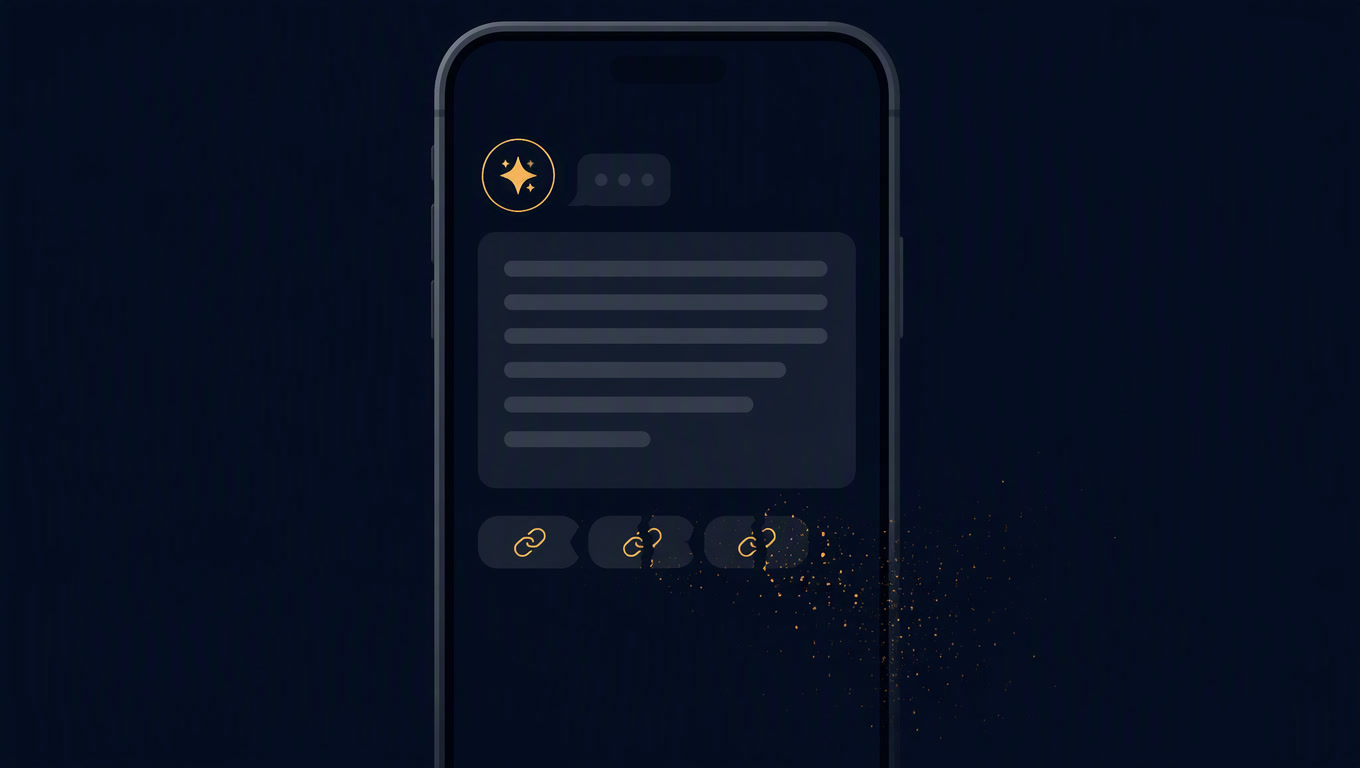
The funnel now looks like this: query, summary with citations, follow-up question, maybe a click. A brand that gets mentioned in the AI Overview but doesn't show up in the follow-up conversation loses the user at step two. The initial answer is no longer the destination. It's the door into a conversation where the model pulls fresh sources on every turn.
So the content that wins the first citation but doesn't cover what comes next ends up with the impression and without the click.
The data already showed where the click goes
This isn't theory. Ahrefs' December 2025 study found that when an AI Overview appears, organic CTR for position one drops 58%. Eight months earlier it was 34.5%. Seer Interactive measured drops between 49.4% and 65.2%. Kevin Indig landed on similar numbers.
Position one is no longer the safety net it used to be. The cited summary plus the follow-up conversation is the new landing page. And that's where most sites have nothing.
The follow-up audit (what we run at Mintec)
You don't need to guess what people will ask. The model tells you. Here's the process we use with clients:
1. Pick the query you actually want to win. One query, the one with the most potential traffic for the business.
2. Run it in Google and open the AI Overview. Then click the follow-up questions the model suggests. Those suggestions are gold: they're the questions Google considers natural after the first one.
3. Write down every follow-up question. Those are your second chances. If the model offers five follow-ups and your site only answers the initial question, you just lost four chances to be cited.
4. Check whether your content answers each one. For every question, a block with a direct answer in the first two sentences. No indirect paragraphs. Answer, context, source.
5. Add FAQ schema that matches visible content. Google's guide is explicit: markup should reflect what the user sees. No hidden or padded FAQs.
6. Measure. The AI Performance report in Search Console shows AI Overviews impressions. Our weekly LLM traffic report shows where Gemini sessions come from.
Our own site data backs this up. Last week we logged 12 sessions from AI engines, 4 of them from Gemini. The pattern we see over and over: Gemini traffic arrives spread across pages, not concentrated on the money page. That's follow-up behavior showing up in analytics. When someone asks a follow-up, Gemini cites a different page than the one that won the first answer. The cluster matters more than the single page.
What not to do
Don't try to target Flash or Pro. You can't choose the variant, and Google will keep changing the routing. That's chasing smoke.
Don't write for the model. Write answers a person would want to keep the conversation going with. The model detects the difference better every quarter.
Don't stuff the FAQ with questions nobody asks. The follow-up audit gives you the real ones. Use those.
The takeaway
The 2025 GEO playbook was built to win one citation. Gemini 3 turned the search result into a conversation, and conversations have multiple turns. The sites that win will be the ones whose content holds up for turn two, three, and four. That's a lot harder than one good paragraph, which is why most sites won't do it.
For more on this: we wrote about why Google says GEO is just SEO, how citation profiles differ across engines, and the framework for ranking in AI Overviews. We also covered how Gemini 3.5 Pro's 2M token context changes how your content gets evaluated.
Frequently Asked Questions
What changed when Google upgraded AI Overviews to Gemini 3?
In January 2026, Gemini 3 became the default model behind Google AI Overviews globally. Google now picks between Gemini 3 variants per query, using Flash for lightweight questions and Pro for complex long-tail ones. Answers are more conversational, better structured, and hand off to AI Mode seamlessly when users ask a follow-up.
How does Gemini 3 change GEO strategy?
Winning the first cited answer is no longer the finish line. Users ask follow-up questions in the same conversation, and the model pulls new sources for those. Content needs to survive the follow-up: a direct answer plus coverage of the questions people ask next, not just a single optimized paragraph.
Do I need special markup for Gemini 3 AI Overviews?
No. Google's own AI optimization guide says generative features run on the same ranking systems as traditional search and that no special files or markup are required. FAQ schema helps when it matches visible content, but what matters is clear structure, direct answers, and demonstrated expertise.