
Insurance Agency Automation: What to Automate First (and What to Leave to a Human)
The 4-stage quote-to-renewal pipeline, the WhatsApp message budget after October 1 pricing, and the three things you should never automate in insurance.
The first thing an insurance agency should automate is not an AI quoting bot — it is the cadence. In insurance, the bottleneck is almost never issuing the policy; it is making follow-up happen every single time it has to happen: reaching the prospect inside the first minutes, attempting the six times that separate a contacted lead from an abandoned one, and starting the renewal conversation 90 days before expiry. 78% of leads are reached if you respond within a minute versus 12% after 24 hours (InsureLeads, 2026 insurance lead benchmarks), and 50-60% of an agency's renewals get no proactive outreach at all — the agent prioritizes the top 20-30% of clients they recall from memory (US Tech Automations, 2026). Automating that cadence is the cheapest lever in the business; automating the claims decision is the most expensive and the least necessary. This article draws the line.
This opportunity belongs to the agency, not the carrier
Carriers buy core systems; the independent broker lives between a spreadsheet, WhatsApp and an inbox. That gap is the business: independent agencies write 87% of commercial P&C premium in the US (Big I 2024 Agency Universe Study), and the Latam Insurtech Journey report (Digital Insurance Latam with Mapfre, July 2026) counted 576 active insurtechs (+14% year over year), 18 dedicated to agentic AI — a category that did not exist two years ago — and 18% of investment going to digitizing traditional intermediation, the largest slice of the ecosystem.
Here is the tension. The 2026 Independent Agency Growth Study shows 65% of agents using AI in the past year (37% in 2025), yet only 9% use it to automate routine tasks and just 18% have a defined AI policy; only 22% trust AI with business data. Our take: agencies do not have a tooling problem, they have an ordering problem. They start with what is visible (a chatbot that quotes) and postpone what retains (the follow-up and renewal cadence).
The 4-stage pipeline: quote, issue, claim, renew
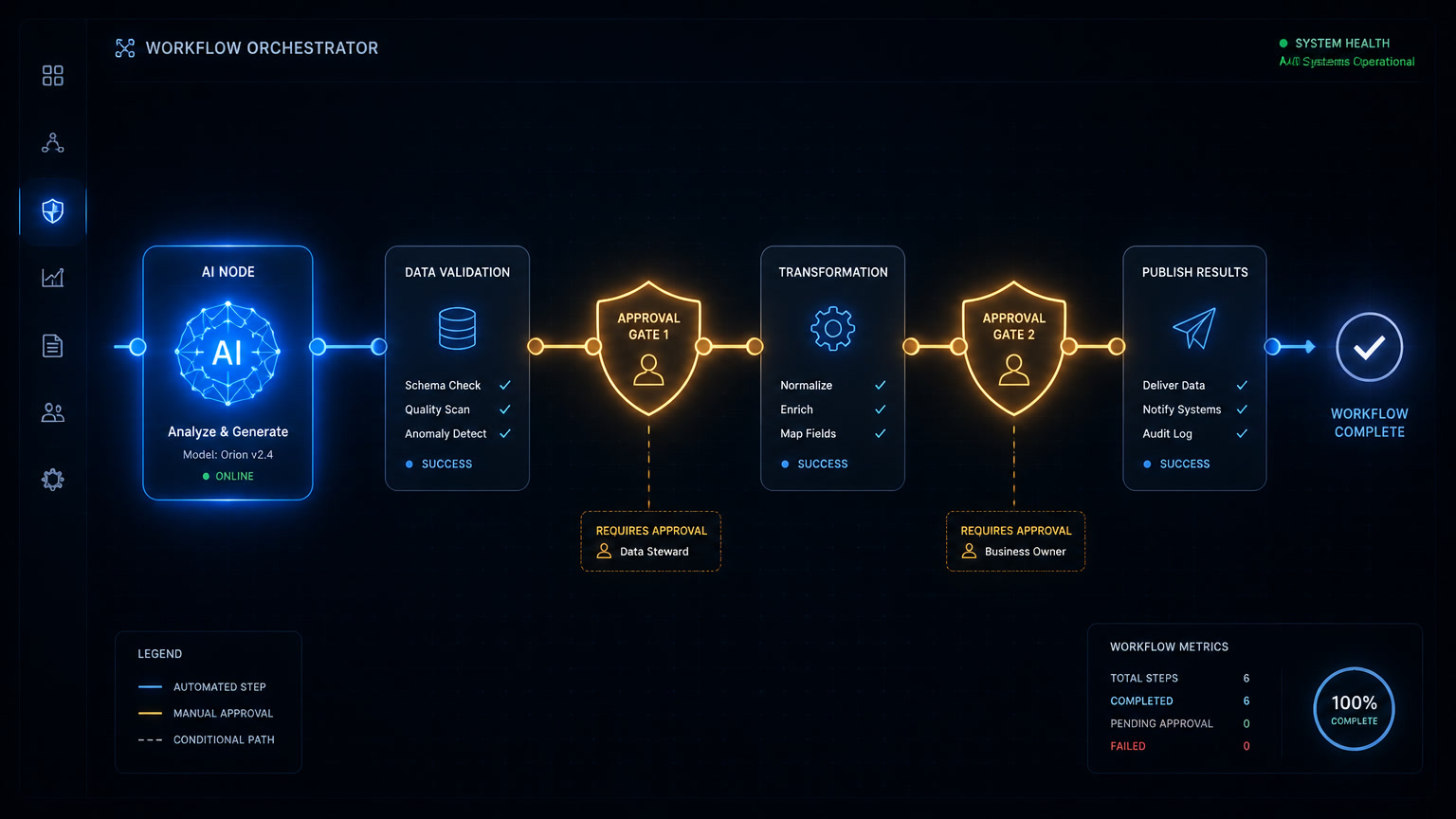
Map the full cycle before buying anything. Each stage has a trigger, a channel and — crucially — a part that should never be automated:
| Stage | Trigger | What gets automated | Human lane | Metric that matters |
|---|---|---|---|---|
| Quote | Form, message or missed call | Capture, enrichment, quote delivery and 6 follow-up attempts | Explain coverage and deductibles | Time to first response (<5 min) |
| Issue | Quote accepted | Request missing documents, validate data, schedule signature | Review endorsements and exceptions | Complete files in 48h |
| Claim | First notice of loss | Intake, photo file, case status and policyholder updates | Reserve, determine coverage, pay | Days from notice to decision |
| Renew | Expiry date (D-90) | Confirmation sequence, agent task, multi-policy consolidation | Retention of high-value clients | Confirmed renewal rate |
The fourth stage is the one most agencies skip, and the one that pays the bill.
The five-minute window and the six attempts
InsureLeads (March 2026) measures 78% contact rate under one minute against 12% at 24 hours, and a real-time lead converts 3 to 5 times better than one aged beyond 24 hours: of every 100 exclusive leads, only 35 reach a presented quote and 18 start an application. The classic Leads360 study, covering 15 million leads, found a lead contacted within five minutes converts 22 times more often, and that a second attempt alone raises the chance of contact by 87%: 93% of contactable leads are reached by the sixth attempt. In practice, 650 of every 1,000 leads do get contacted, and 520 end up abandoned without ever reaching a decision.
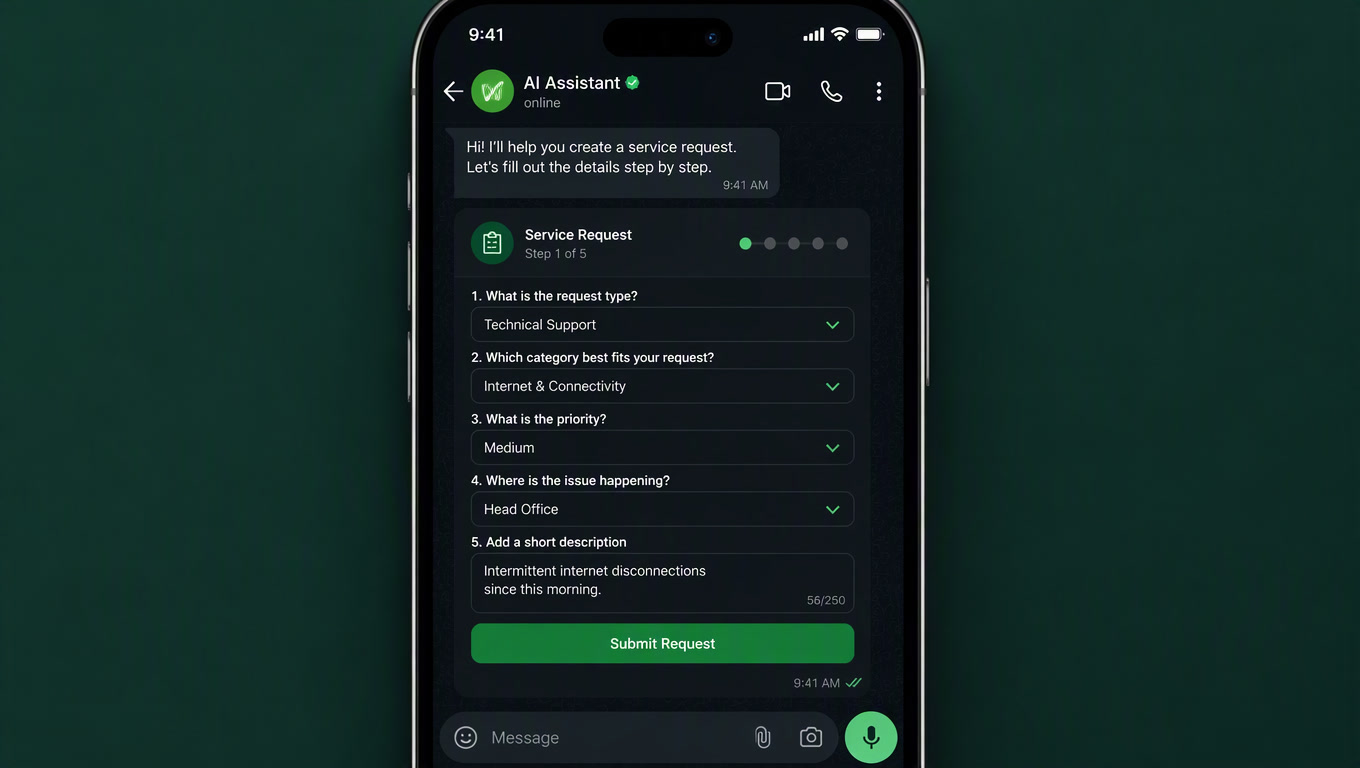
In LatAm those six attempts happen on WhatsApp, not on a phone: 91% of consumers want their transaction updates delivered by messaging (Kantar × Meta, State of Business Messaging 2026). Insurance cadence is built in WhatsApp + CRM, not in a dialer, which is why picking one of the 5 CRMs with native WhatsApp integration is the first stack decision. Response-time benchmarks live in speed to lead.
Renewal is where the money nobody chases sits
Each agent manages 300-500 policies spread across the calendar year. The typical manual process: pull the monthly report from the AMS, mentally prioritize the highest premiums, call the top 20-30%, and let the remaining 50-60% receive nothing. Policies do not lapse because customers are unhappy; they lapse because nobody called.
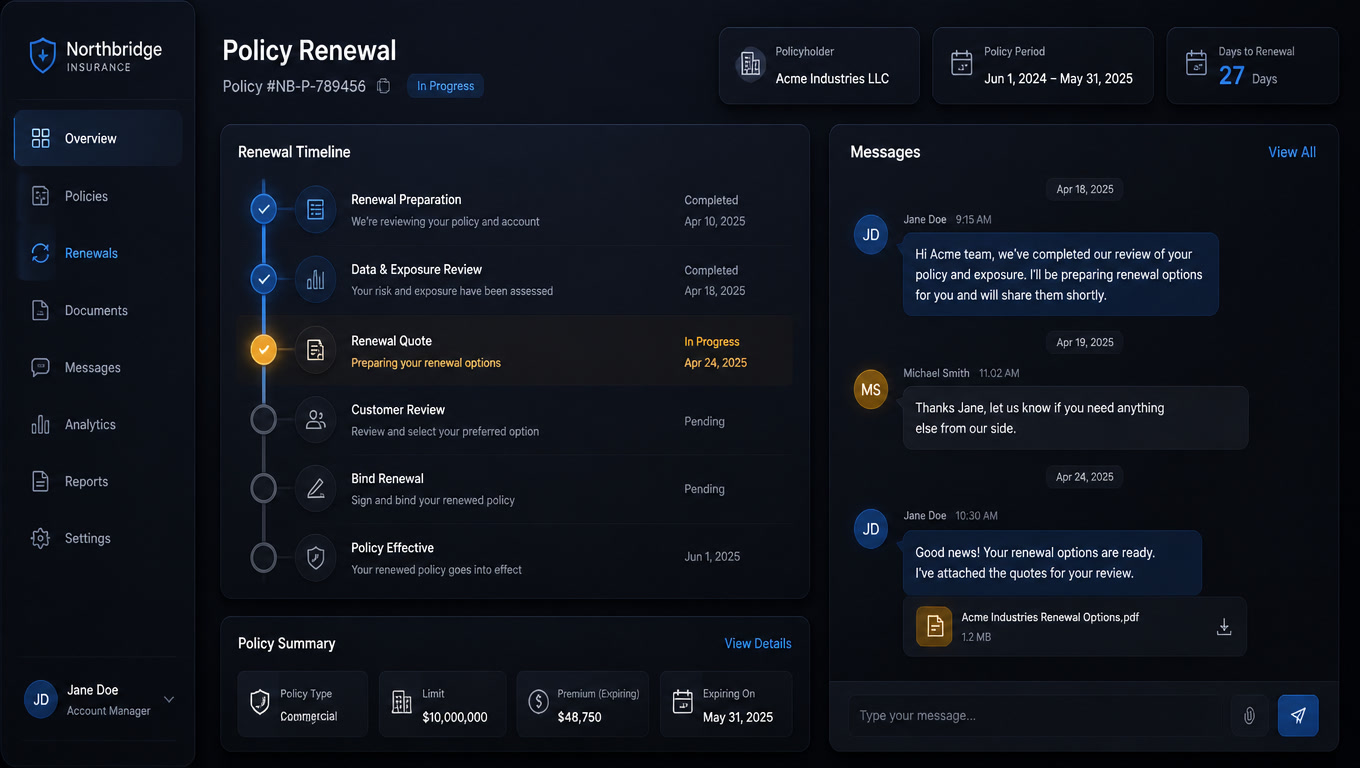
The working sequence starts 90 days before expiry and alternates message with human task: confirmation, staggered reminders, an agent task when there is no reply after two digital touches, and a personal call at D-21. Agencies running it report 15-20% retention improvement within 90 days — the equivalent of writing that much new business without acquiring a single prospect. Three details that fail everywhere we look:
- Consolidate multi-policy clients. Five expiries in different months must not produce five reminders: one notice.
- Suppress the client who is shopping. When an agent logs that the client is comparing quotes, the standard sequence pauses and a competitive retention track takes over.
- Measure confirmations, not deliveries. The event that matters is the reply (
CONFIRM), not that the message went out.
The renewal and upsell framework with a health score transfers well — except in insurance the date is set by the policy term, so the trigger is a field, not a calculation.
Your renewal cadence now competes with your WhatsApp bill
Since October 1, 2026, every free-form reply you send on WhatsApp beyond the first 1,000 service messages per phone number per month is billed at the utility rate of the customer's country, and utility templates sent inside the 24-hour window have no free tier. Translated into the sequence:
| Moment | Action | Meta message type | Cost |
|---|---|---|---|
| D-90 / D-60 | Proactive reminder outside the window | Approved utility template | Per message, volume tiers |
| D-30 | "Your policy expires in 30 days. Reply CONFIRM" | Utility template | Per message |
| Policyholder replies | 24-hour window open | Service message | First 1,000 per number/month free |
| D-21 / D-7 no reply | Agent task (call) | Human | $0 |
The rule: design the sequence so the policyholder answers early. The first reply opens the 24-hour window, and everything after it — requesting documents, answering questions, confirming endorsements — falls inside the free pool. A flow that only fires billed templates and never gets a reply pays twice. The allowance is per number: splitting volume gets you closer to the free pool, consolidating it improves your template tiers. Country rates are in what a WhatsApp reply costs after October 1.
Three things you never automate in insurance
1. The claims decision and the payment. Orchestrating the flow can cut claims service cost by up to 31%, with up to 70% of straightforward claims handled without manual intervention (Synpulse and additiv benchmark across 190+ insurance processes). That covers notice, triage, collection and status — not coverage determination: in NAIC regulator data, settlement decisions remain classified as augmentation (the model advises, the human decides). Automate the file, not the check.
2. Underwriting without review. The cost of an error here is a badly issued policy, not a badly worded email. If the input is free text, AI can classify it; if the output moves money or coverage, a human is in the loop. The same criterion drives when not to use AI for automation.
3. Policyholder data without separate consent. Financial and health data are sensitive in Brazil (LGPD art. 5), explicit-consent in Mexico (LFPDPPP) and express-consent in Colombia (Ley 1581). The rule: renewal reminder = service message on a contractual basis; campaign = marketing with recorded consent. Mixing them turns a retention sequence into a complaint to the regulator. The 5-layer architecture is in WhatsApp automation and compliance in LatAm.
The stack by agency size
| Profile | Tools | Monthly cost | When |
|---|---|---|---|
| Under 200 policies | CRM with native WhatsApp + templates + Make or basic n8n | 40-60 USD | Day 1: quote sequence and D-90 |
| 200-1,000 policies | Self-hosted n8n + CRM + WhatsApp API + reply-classification AI | 90-160 USD | Above 30 renewals/month or 100 leads/month |
| Over 1,000 policies | n8n + AMS API + document triage AI + renewal dashboards | 170-220 USD | When the monthly report no longer gets reviewed on time |
The logic never changes: native first, orchestrate when crossing systems, AI last. Buying an "AI insurance agent" before your expiry dates are trustworthy in the CRM means paying for intelligence over broken data — the same mistake in CRM workflow design, where flows die in week 3.
Three mistakes that keep repeating
Starting with the quoting chatbot. It is the most visible and the least profitable: clean the CRM first (contact data decays ~2.1% a month) and let the cadence run; the quoting assistant arrives in month 2.
Measuring deliveries instead of confirmations. 98% delivery with 6% replies is a broken flow. The dashboard needs three numbers: time to first response, renewal confirmation rate, and policies rescued by the human team after two silent touches.
Forgetting the baseline. Before connecting anything, calculate your lapse rate by line of business over 12 months of data. Without it you cannot tell whether the sequence worked, and it is the first figure anyone looking to scale will ask for.
If you are starting this week, begin with one thing: the D-90 sequence with a utility template and a CONFIRM reply. It is the flow that saves the most policies per hour of work, and — with near certainty — the one you are not running today. For the rest of the cycle, the pattern in the WhatsApp collections engine and clinic automation applies: trigger, short window, explicit confirmation, human escalation when nobody answers.
Frequently Asked Questions
What should an insurance agency automate first?
The cadence, not the judgment: quote follow-up inside the first 5 minutes, missing-document collection, and the renewal sequence that starts 90 days before expiry. That is where the money is, it pays back fastest, and it never touches underwriting or claims decisions.
Are WhatsApp renewal reminders service messages or templates?
A proactive reminder goes out outside the 24-hour window, so it needs an approved utility template and is billed per message with volume tiers. Once the policyholder replies, the 24-hour window opens and your answers become service messages, the first 1,000 per phone number per month being free.
How much does insurance agency automation cost?
Between 40 and 220 USD per month depending on volume: CRM 0-99 USD, self-hosted n8n 6-20 USD, WhatsApp API number and templates, and 10-40 USD for classification AI. An agency under 200 policies can run on 40-60 USD a month with no infrastructure of its own.