

Insights & Intelligence.
The manual for modern digital acceleration. Exploring the intersection of high-fidelity engineering and synthetic intelligence.

The EU AI Act Is Now Enforceable: Why Accessibility Became an AI Compliance Issue
On August 2, 2026, the EU AI Act's general application phase went live: market surveillance authorities across member states now have enforcement powers, and web accessibility is officially wired into AI compliance. Here's what applies today, what got deferred, and the checklist we use at Mintec to audit AI-powered sites.
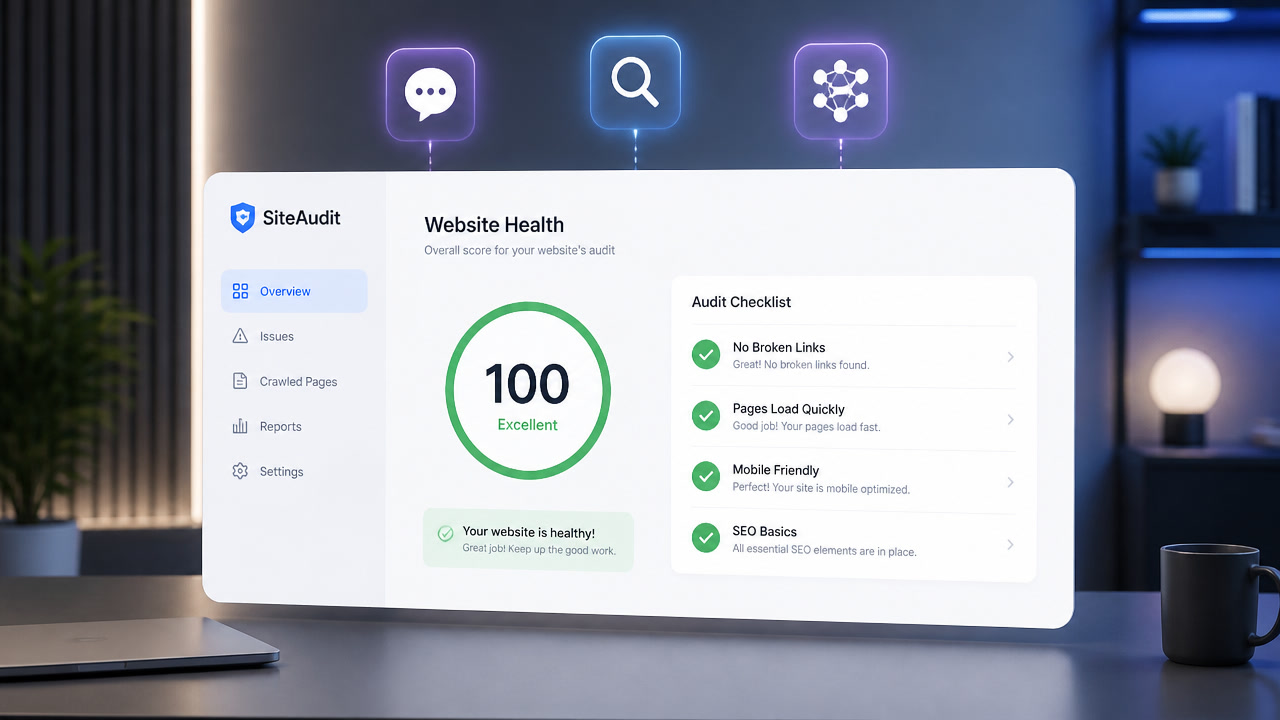
The 30-Minute GEO Audit: Our Framework for Checking If a Site Is Ready for AI Search
A four-check framework for auditing any site's GEO readiness in half an hour. Based on the same process Mintec runs weekly with LLM traffic reports, keyword gap mining, and content optimization. No expensive tools, no ranking promises: concrete checks that reveal whether AI search engines can actually cite your content.
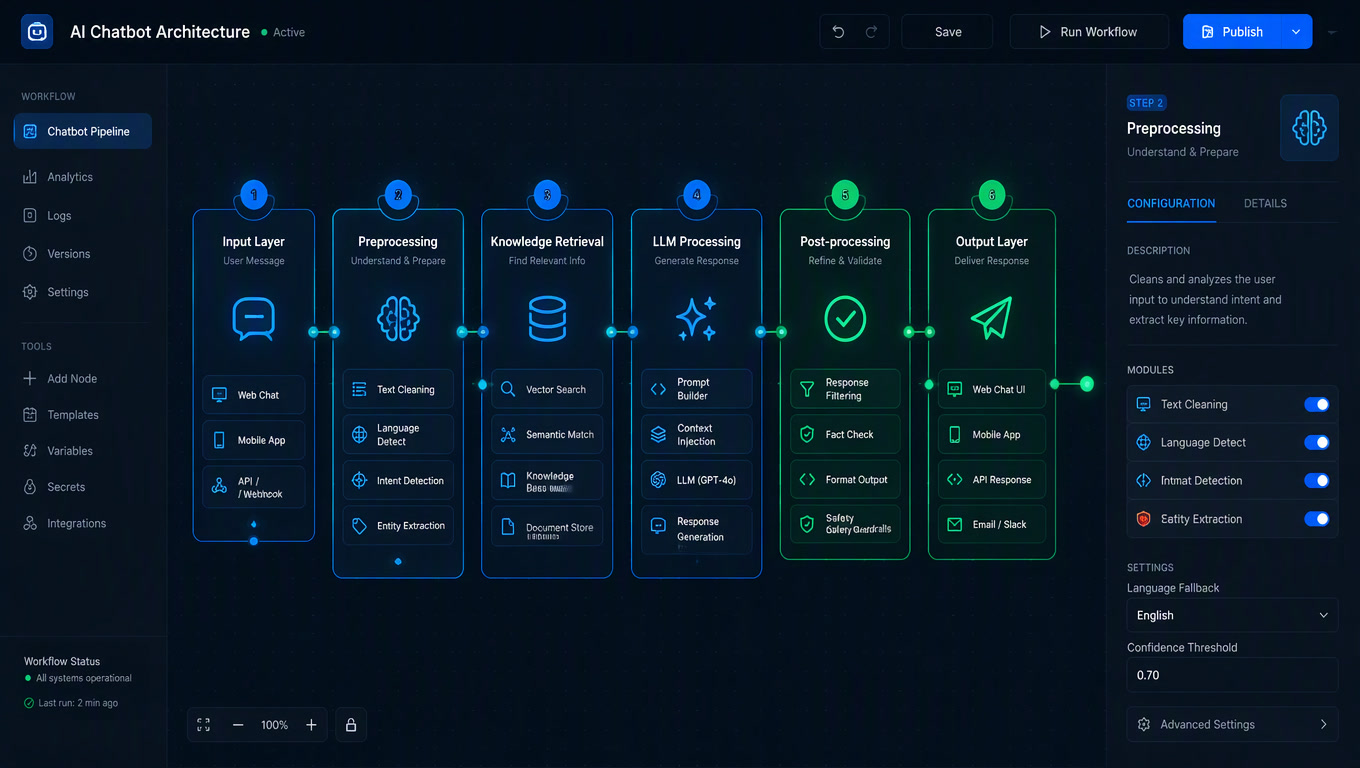
How to Build an AI Chatbot from Scratch: The 6-Layer Architecture We Use in Production
Build a production AI chatbot without a SaaS subscription: $11-23/month with n8n, OpenAI and RAG, 13-26 hours of work the first time. Here is the 6-layer architecture we deploy, with real costs and the pitfalls no tutorial covers.

Pinterest Says Q4 Starts in September: The Holiday Launch Calendar
The festive season on Pinterest starts in September, not November. Pinterest's official July 2026 guide shows festive activity spiking as early as September, and advertisers who launch between September and November see an average iROAS of 3.71 — with over half of incremental sales coming from new buyers. Here's the launch calendar we use at Mintec to avoid arriving late.
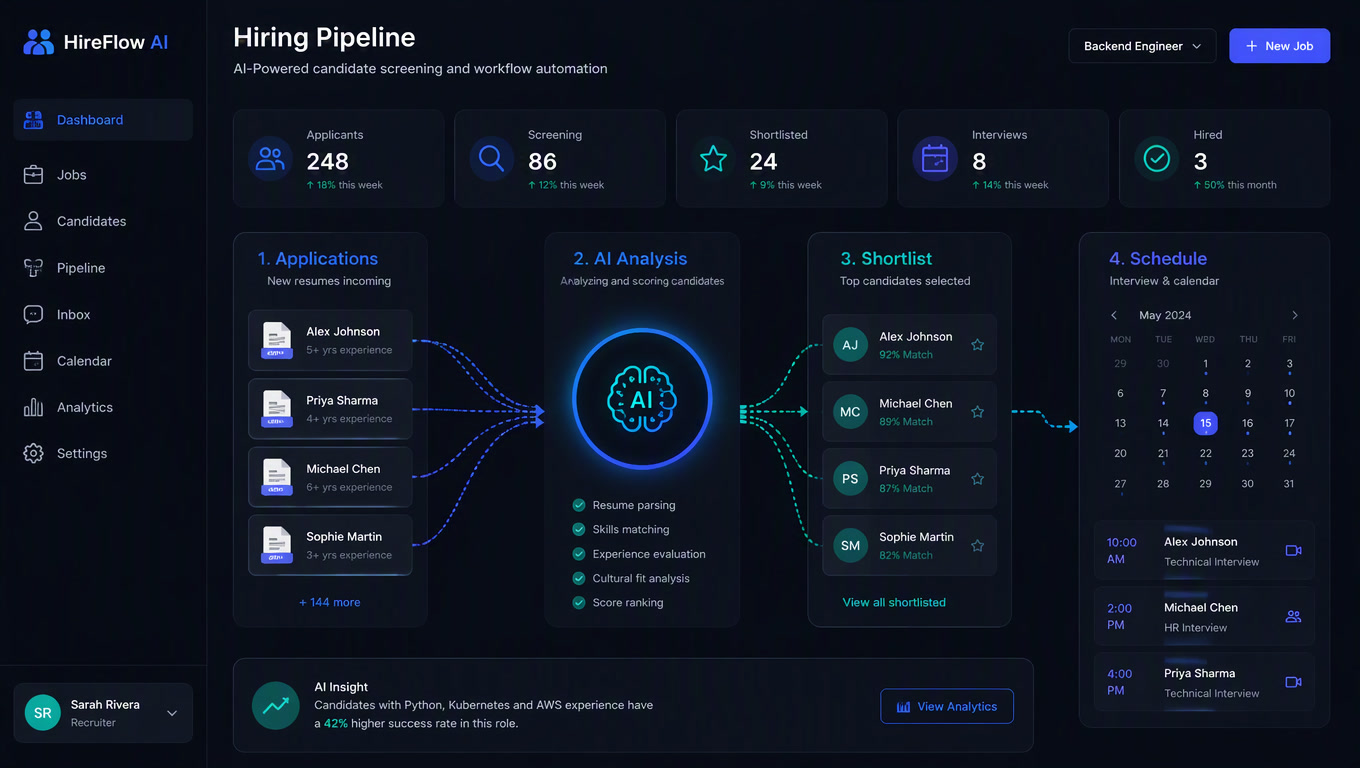
AI Recruitment Automation: The Hiring Pipeline That Runs Itself
Resume screening, WhatsApp pre-screening, auto-scheduling — with the final decision made by a human. The 3-stage AI hiring pipeline Mintec uses.

Google Ads Bidding Change: Your Target CPA and ROAS Stop Being Suggestions on August 17
Starting August 17, 2026, budget-limited campaigns on Target CPA, Target ROAS, or Target CPC (Demand Gen) will deliver more consistently at the bid target you set — if your campaign has been beating its target, expect performance to converge to your number. Here is the audit, the three-question test, and the pre-deadline checklist we are running with clients.
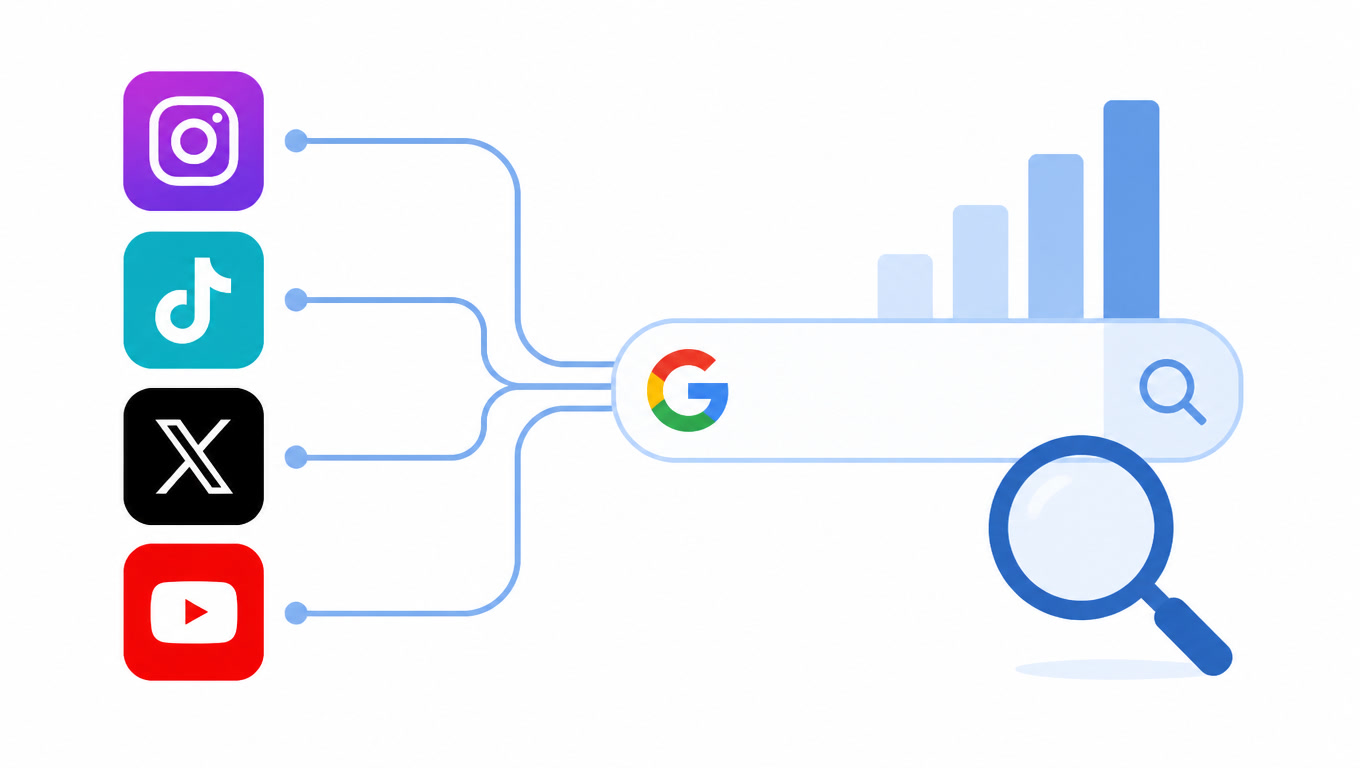
Search Console Platform Properties Are Here: Your Social Content Finally Shows Up in Google's Data
Google rolled out Search Console platform properties for Instagram, TikTok, X, and YouTube to everyone in early August 2026. Here's how to connect them, what data they actually give you, and why they matter for AI search visibility.
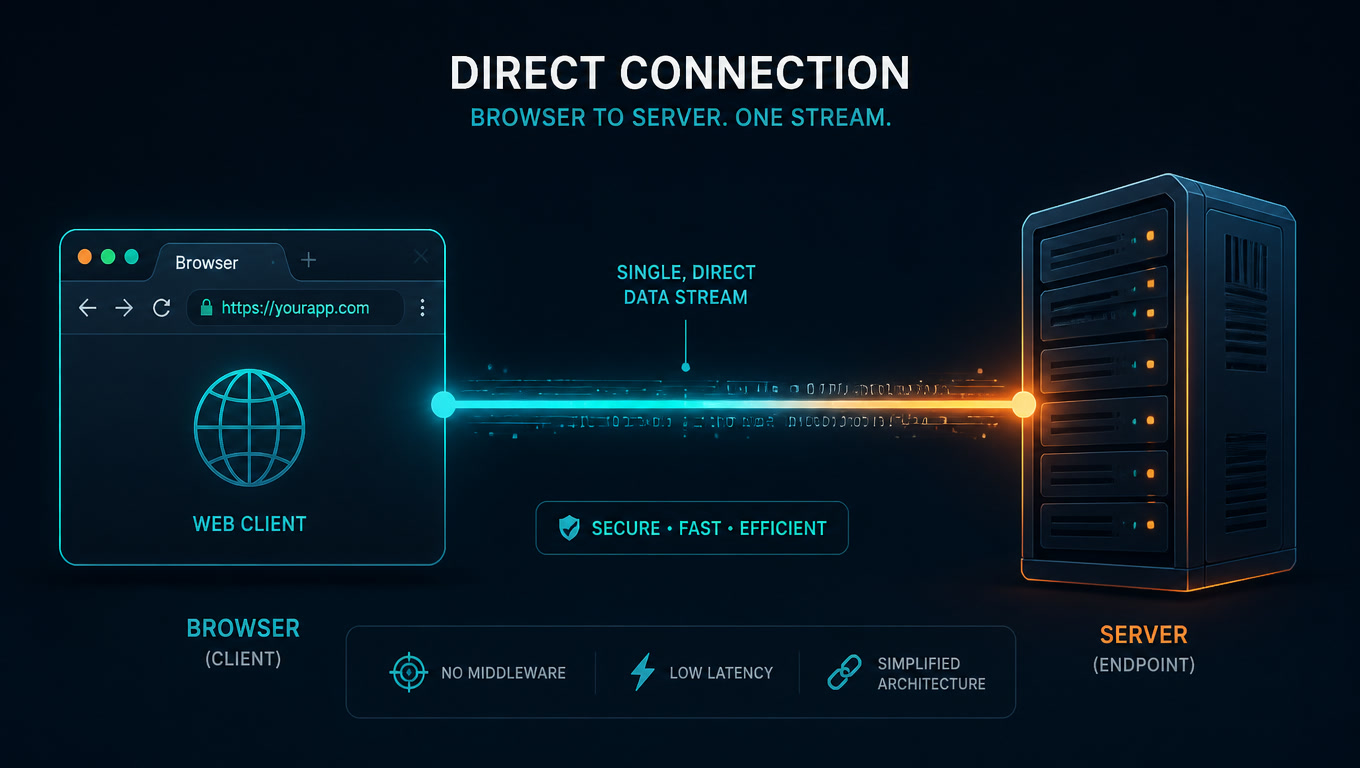
SvelteKit 3 Remote Functions: Is the REST API Layer Dead (and When It Doesn't Matter)
SvelteKit 3 is in preview with remote functions: end-to-end typed RPC that replaces API routes for full-stack apps. We break down when RPC-first architecture beats Astro + headless CMS and when it doesn't, with a decision framework from real client projects.
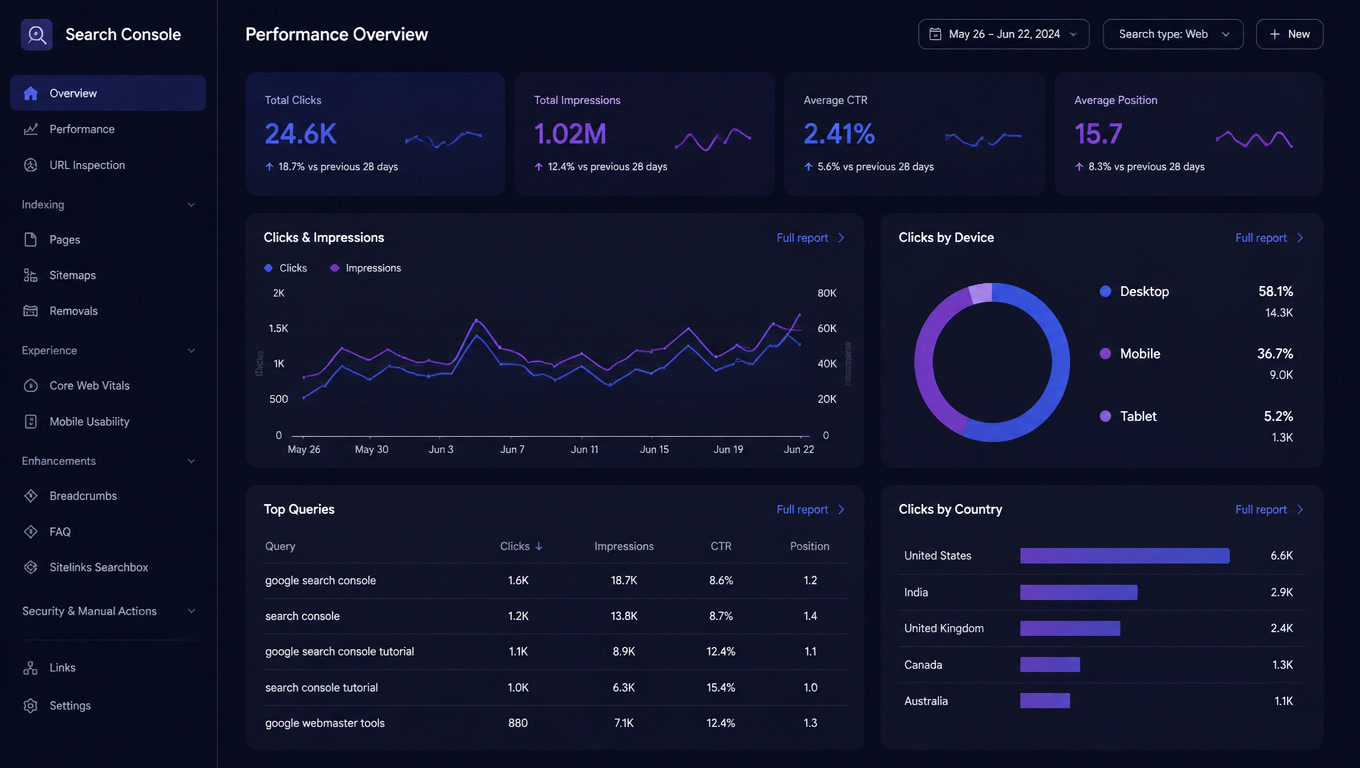
AI Mode Queries Are in Search Console: Where to Find Them (It's Not the AI Report)
AI Mode queries show up in Search Console's regular performance report, not the generative AI reports. John Mueller confirmed it in August 2026. Here's how to spot them, why you'll see queries like "yes" or "yes, pricing", and what to do with that data.
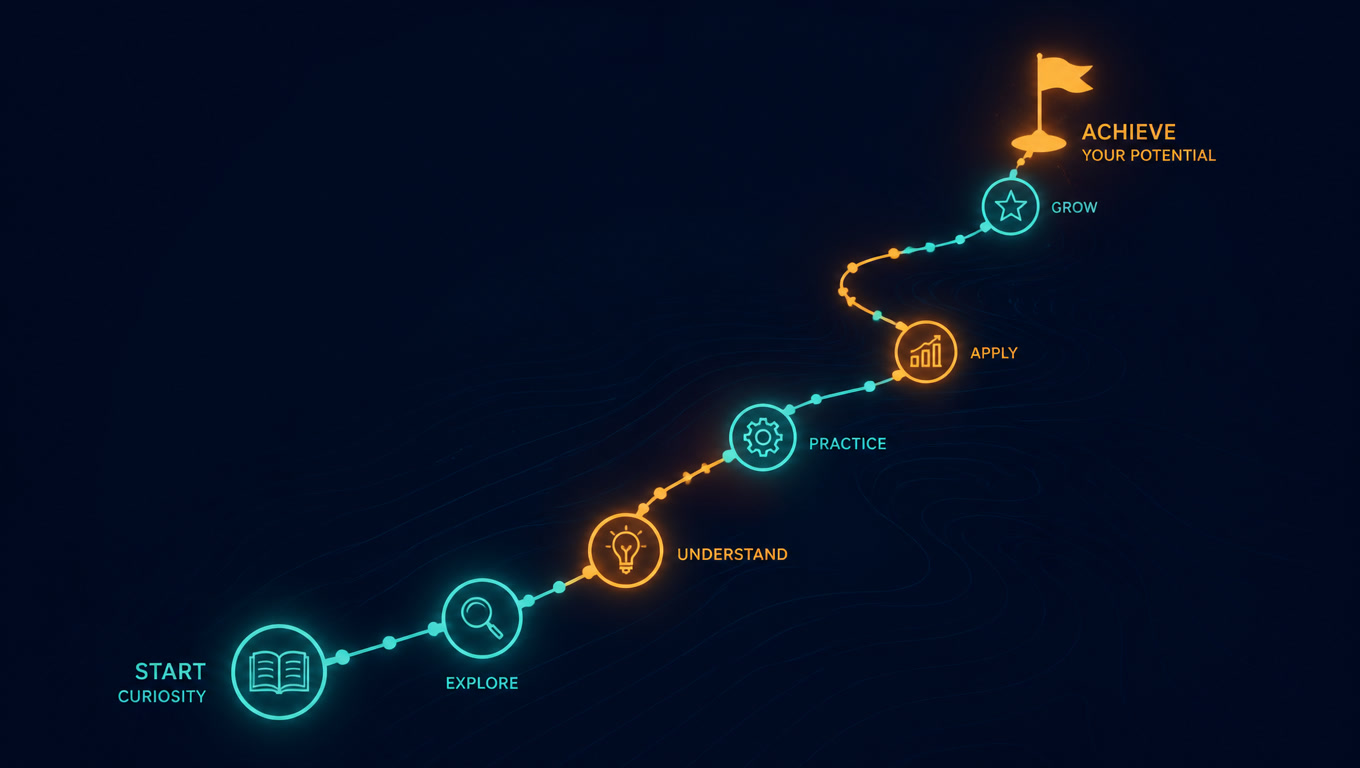
How to Learn AI Automation from Scratch: The Order That Actually Works
Learning AI automation isn't about stacking courses — it's process diagnosis first, one platform deep, then the AI layer. The 4-phase plan we use to train automation talent at Mintec.

Meta Ads MCP Server: AI Agents Now Have Read-Write Access to Your Ad Account
On July 16, 2026, Meta opened its official ads MCP server (mcp.facebook.com/ads) to any developer with a Meta app: AI agents can now pull reporting, create campaigns, edit ads, and pause delivery through a sanctioned first-party endpoint. It is read-write, not read-only. Here is what changes for advertisers and agencies — the permissions you need, the risks, and the access framework we use at Mintec.
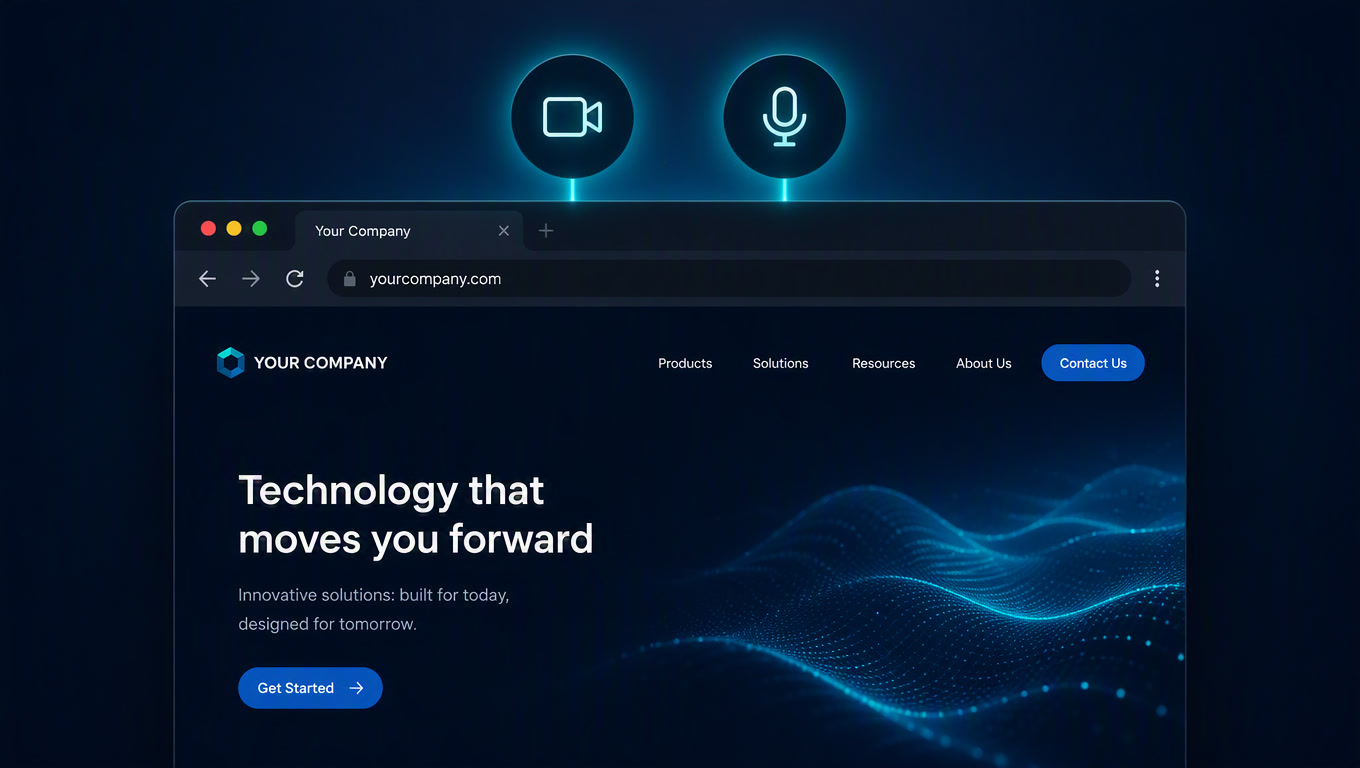
The <usermedia> HTML element: goodbye to the camera and microphone permission hole
Chrome 151 shipped <usermedia>, the HTML element that handles camera and microphone permission for you: the browser owns the prompt, manages recovery after denial, and delivers the MediaStream directly. Origin Trial data from Cisco, Zoom, and Google Meet shows permission recovery jumping from ~10% to 65%+, and this article shows how to migrate your capture flow with progressive enhancement.