Shopify Says AI Search Traffic Tripled. Here's What the Data Means for Your Store
Shopify's Q2 data: AI-referred sessions up 197% YoY, orders 3x, and double the conversion rate in comparison categories. Organic still leads. How to read these numbers and what to do with your content.
Shopify Says AI Search Traffic Tripled. Here's What the Data Means for Your Store
Shopify just published its Q2 2026 commerce data, and it's the most concrete look we have at AI search traffic in ecommerce: AI-referred sessions grew 197% year over year and orders tripled, while organic search grew 12% on a much larger base and still sends more sessions than all AI platforms combined. Shoppers arriving from AI convert at nearly double the organic rate in comparison categories, because AI compresses the buying journey: they leave the conversation and land directly on a product page. The practical takeaway is that AI search is not replacing Google. It's changing which content gets cited and who keeps the click. Here's what those numbers mean and what to do this week.
What Shopify's data actually says
Shopify tracked shopper behavior on its storefronts for two quarters and published the results in the Q1 analysis and the Q2 follow-up. The numbers that matter:
- AI-referred sessions grew 197% year over year in Q2. Orders tripled too.
- Organic search grew 12% over the same period, on a much larger base, and still refers more sessions than all tracked AI platforms combined.
- More than half of AI-referred sessions start directly on a product page. For organic, it's 20%.
- AI-referred sessions convert at nearly 50% higher rates than organic (Q1 data), with 14% higher average order values.
- When AI shoppers reach a product page, they convert about 80% better than organic shoppers, and roughly double in spec-led categories where buyers compare specifications, compatibility, and reviews.
- AI search brings in net-new customers at about 1.3x the rate of organic.
- When AI drew on Shopify's structured catalog data, referred shoppers converted 2x better than when the source was a scraped or third-party feed.
TechCrunch's read when the Q2 numbers landed in early August: AI isn't cannibalizing search traffic the way it did for publishers. In commerce, it's additive.
Buyer journey compression
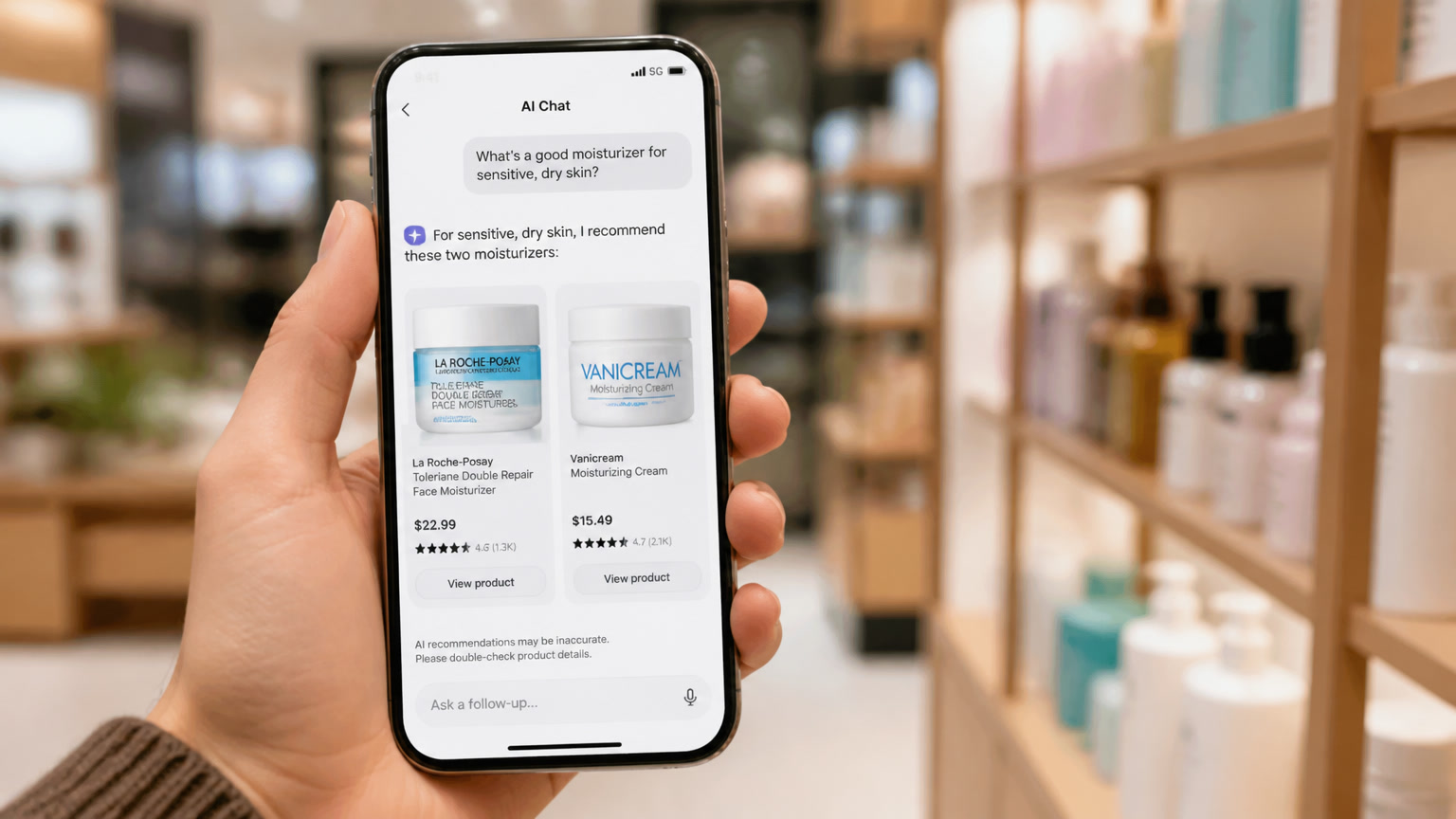
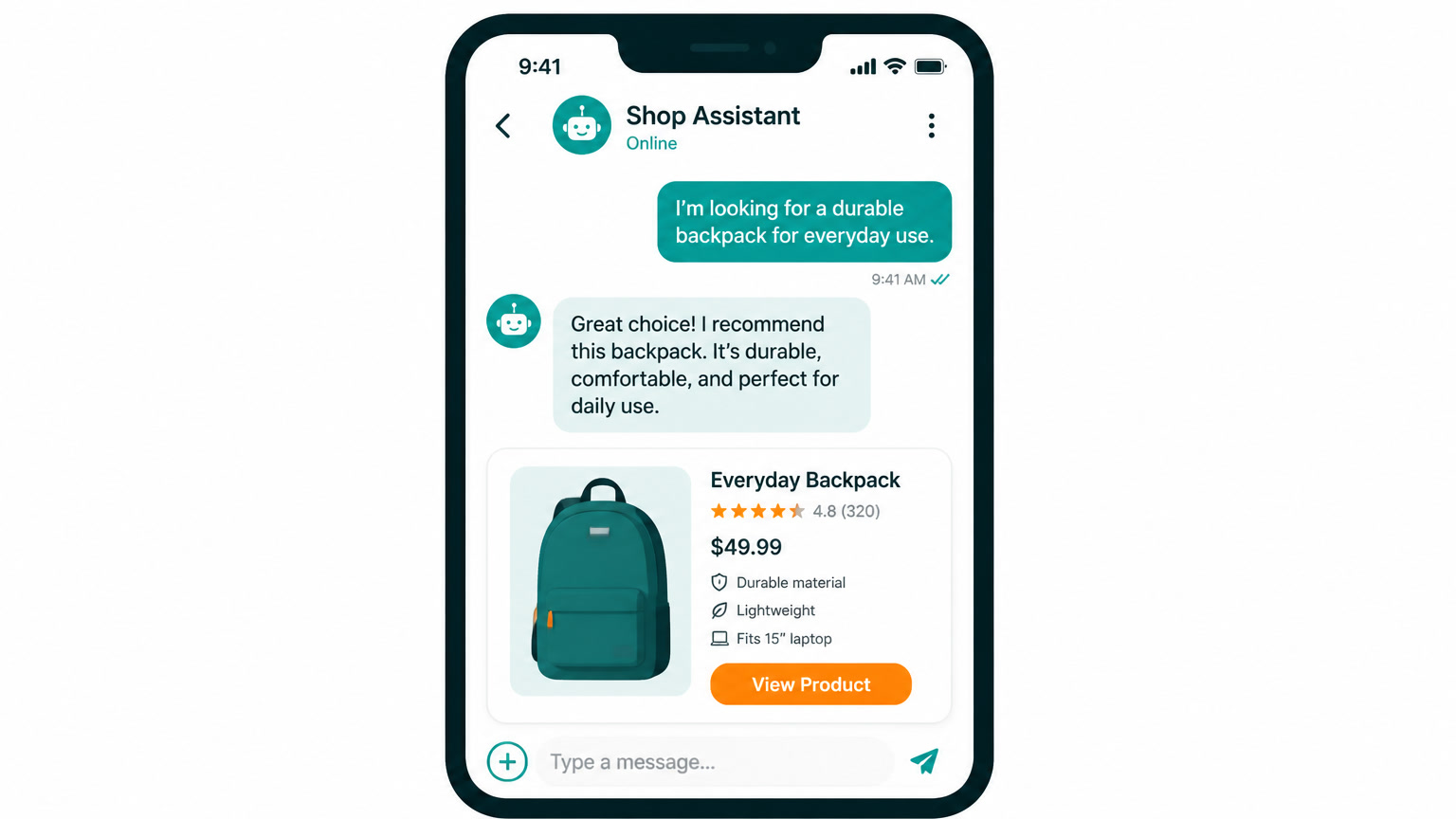
The core concept in Shopify's analysis is buyer journey compression: AI collapses discovery and consideration into a single conversation. In classic search, someone looking for running headphones reads three comparisons, opens five tabs, and decides over two days. With AI, they ask the assistant to compare and walk away with a concrete recommendation, often with a direct link to the product.
That's why more than half of AI sessions land on product pages. The comparing already happened inside the chat. Traffic arrives with intent settled, which is why it converts better and why order values run higher. AI isn't bringing richer shoppers. It's bringing shoppers who already decided.
Where AI wins and where it doesn't
The finer reading of Shopify's data: the conversion advantage is not even. AI wins in categories where buying requires deciding. Watches, components, technical gear. The shopper needs specs and compatibility checks, and the conversation does that work. There, AI conversion roughly doubles organic.
In taste-led categories, where the shopper already knows what they want (a t-shirt, a lamp, a brand they like), organic still does the discovery and browsing job. Shopify's own caveat: a t-shirt and a watch sit in the same broad category but demand completely different levels of research.
Translation for your strategy: if you sell comparison products, your content has to be the material AI cites: spec tables, honest comparisons, direct answers to concrete questions. If you sell taste products, organic stays your main channel and AI is an acquisition bonus.
What this means if you don't sell products
We're not a store, we're an agency, and the same pattern shows up in our numbers at a smaller scale. In our real GEO traffic numbers we publish the weekly report: LLM referral traffic is small (12 to 18 sessions a week across the whole site) but converts about four times better than classic organic. That multiple is not a coincidence. It's the same journey compression. The client arriving from ChatGPT already read the comparison, already validated that we exist, and shows up with a specific question to solve.
The difference is funnel size. In ecommerce, AI already moves millions of sessions. In B2B services, it moves dozens. The strategy is identical: make content citable, measure referrals, and don't abandon organic, which remains the base. We covered the details in how to optimize AI traffic conversion and in whether AI will replace SEO.
What to do this week
1. Segment AI referrals in GA4. Build a segment with the platform domains: chatgpt.com, gemini.google.com, perplexity.ai, claude.ai. Look at sessions, conversions, and revenue. Raw visits tell you nothing. If you don't have a single click per week, the problem isn't AI, it's that nobody is citing you yet.
2. Structure pages to be the answer, not another candidate. The most underrated finding in Shopify's report is the structured data one: when AI used the structured catalog, it converted 2x better than with scraped feeds. On your site that means product (or service) schema, spec tables, comparisons, and FAQ blocks. Same principle as our 30-minute GEO audit: if AI can't read your page cleanly, it won't cite it.
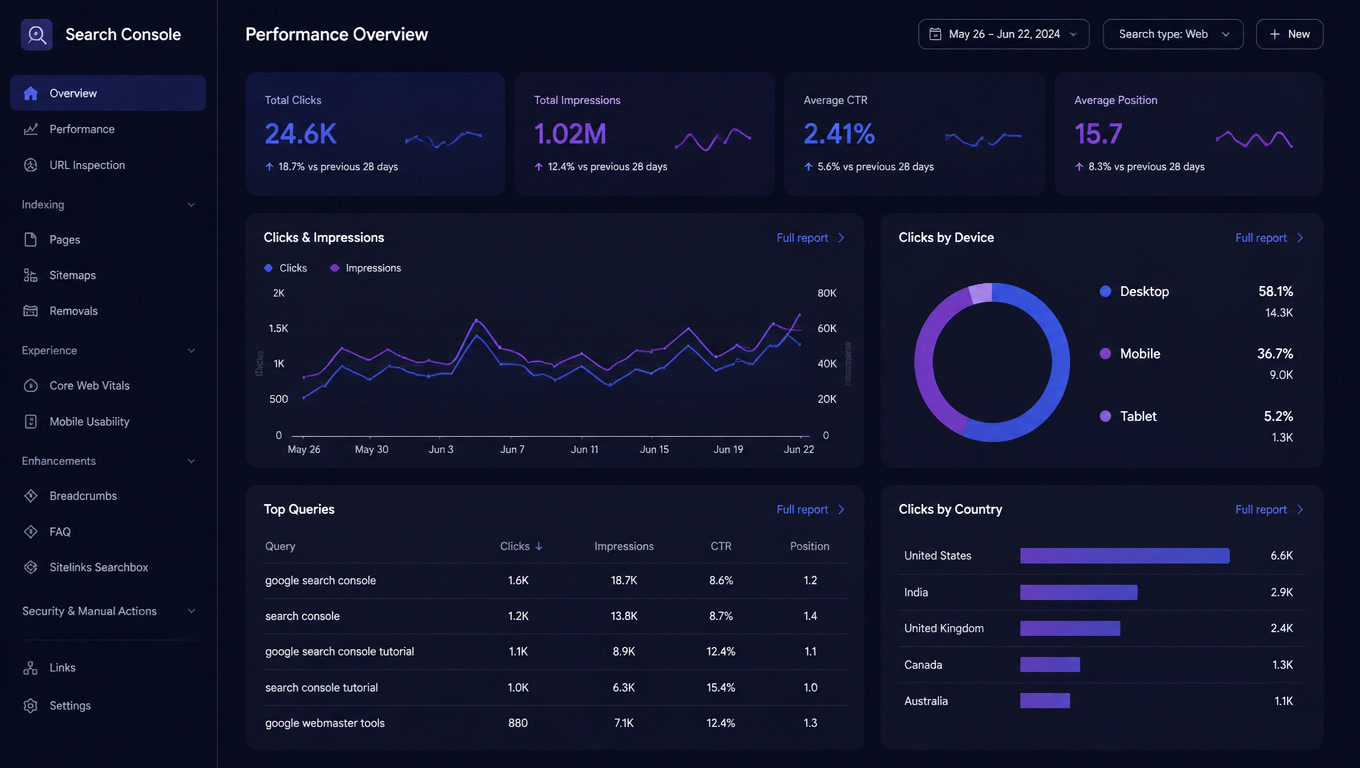
3. Track visibility inside Google with the Search Console AI report. Impressions in AI Overviews and AI Mode went global in August. Don't marry that number alone; cross it with GA4 referrals, as we explain in how to read the generative AI report. And watch out for AI visibility metrics without context: impressions without clicks or conversions are noise.
My take
The most useful thing about this data is that it kills the "AI will kill SEO" argument. AI doesn't kill organic, it complements it, but it changes which kind of content gets the credit. The pages that win are the ones that answer comparison questions with structured data, not the ones stacking generic copy. And the biggest risk isn't losing traffic, it's standing still while competitors show up inside the answers. The time to make content AI-ready is now, when volumes are still small and first-mover advantage shows the most.
Frequently Asked Questions
Is AI search replacing Google?
No, according to Shopify's data. In Q2 2026 AI-referred sessions grew 197% year over year, but organic search grew 12% on a much larger base and still sends more sessions than all AI platforms combined. They do different jobs; it's not a zero-sum game.
Why does AI traffic convert better than organic?
Because of buyer journey compression: AI resolves discovery and consideration inside the conversation and delivers the shopper straight to the product page. More than half of AI-referred sessions start on a product page, versus 20% for organic. They arrive with intent already settled.
How do I measure AI traffic to my store?
In GA4, build a referral segment with the platform domains: chatgpt.com, gemini.google.com, perplexity.ai, and claude.ai. That gives you real sessions, conversions, and revenue. For visibility inside Google, the Search Console generative AI performance report shows impressions in AI Overviews and AI Mode.