

Google Is Now Legally Liable for What AI Overviews Says. Here's What Changes for Publishers.
A German court ruled Google is directly responsible for false information generated by AI Overviews. This changes the game for publishers, SEOs, and anyone depending on AI search traffic. We break down the ruling, what it means, and what to do about it.
Google Is Now Legally Liable for What AI Overviews Says. Here's What Changes for Publishers.
On May 28, 2026, a German court did something nobody had managed in three years of AI Overviews: it ruled that Google is legally responsible for the false information its AI generates.
The Munich I Regional Court decision (LG München I, Urteil vom 28.05.2026) is not just another fine. It's a fragmentation bomb that will reshape how Google — and likely every generative AI system — handles source selection and answer generation.
I have been following this case since Reuters reported Google would appeal. I read the ruling, the analyses from WIRED, DW, and The Decoder. And I have a clear opinion: this matters more for content strategy than any algorithm update in the last five years.
What the Ruling Actually Says
Two Munich-based publishers sued because AI Overviews generated false claims about their businesses — information that existed nowhere, that the AI simply invented. The court sided with them.
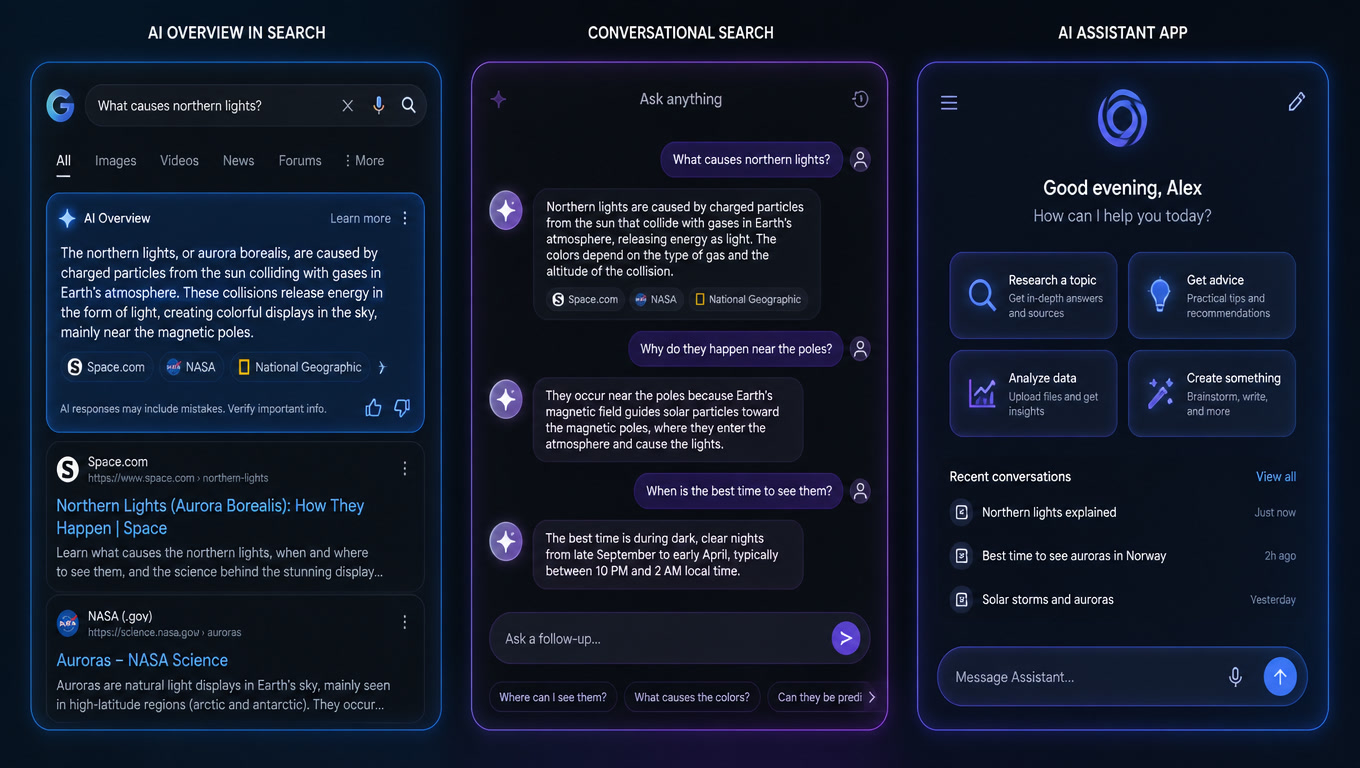
The core argument is simple and devastating for Google: AI Overviews is not a search engine. It is a content generator.
Here is why the distinction matters. When Google shows a traditional search result, it is essentially saying "this page exists and contains this information." It is an intermediary. Intermediary liability protections — like Article 7 of the EU's E-Commerce Directive — limit its responsibility.
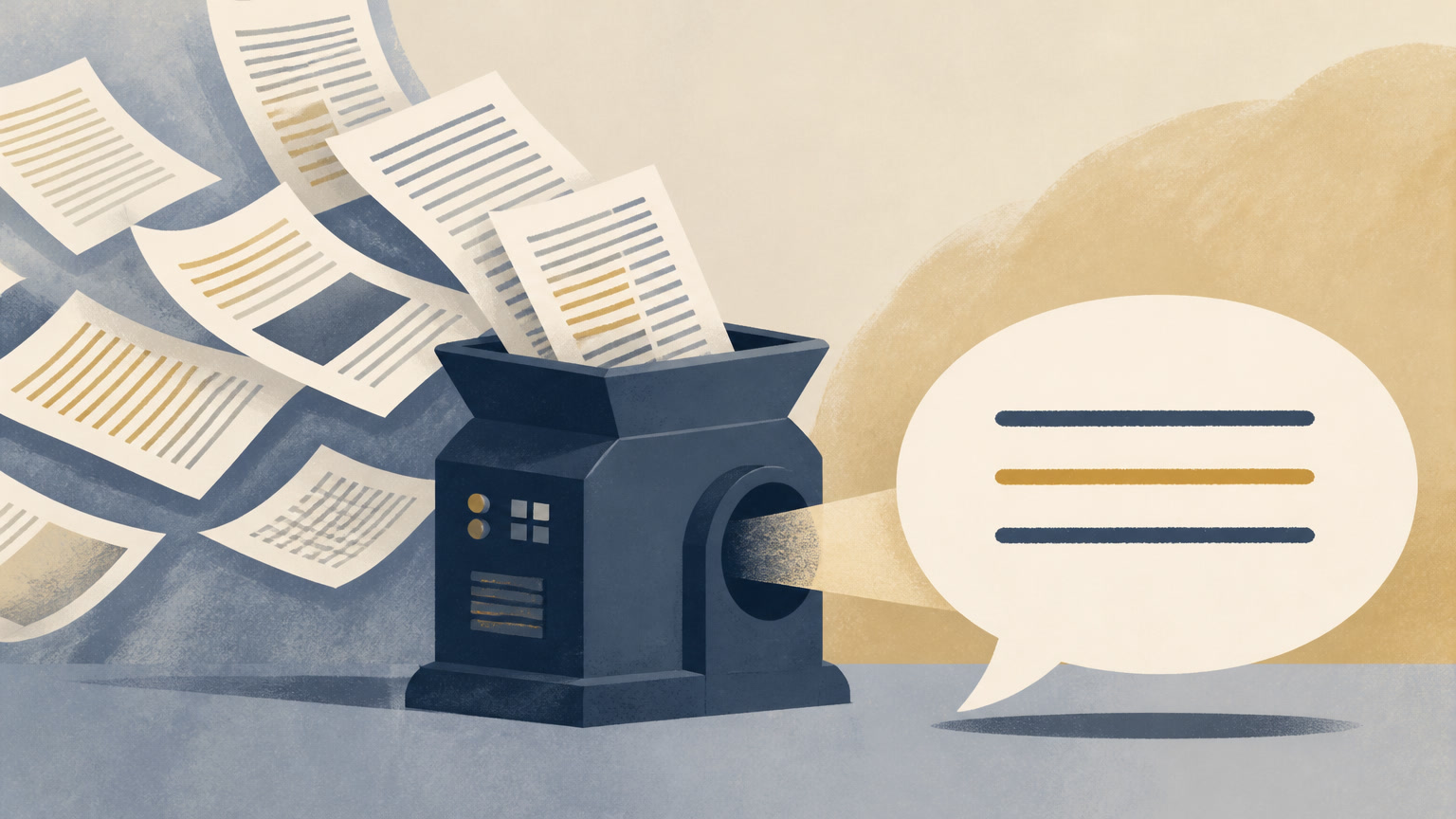
AI Overviews does not cite. It creates. It takes information from multiple sources — or none at all — and produces a new statement. The court said that statement is "Google's own words," not a third-party citation. If that statement is false, Google is liable.
Google will appeal. That process could take years. But the precedent is planted.
What This Means for Your Content (Three Effects)
1. Google will cite fewer sources, better selected
If incorrectly citing content now carries legal consequences, Google will optimize its AI Overviews for accuracy, not comprehensiveness. Fewer sources per answer, but sources with stronger verifiable authority.
In practice: your content needs trust signals Google can verify. Named authorship with a verifiable LinkedIn profile. Citations to studies or original data. Visible publication dates. Regular updates showing the content is maintained.
We covered most of this in our breakdown of Google's official AI optimization guide. What changed is the urgency. Before, it was a recommendation. Now, it is legal cover for Google.
2. Commodity content becomes a liability for Google
Google will avoid citing pages it cannot defend as reliable sources. Which pages fall into that category? Ones without clear authorship. Ones that repeat information without adding value. Ones any LLM could have written.
This is exactly what we covered in our post on non-commodity content and AI search. Google already said non-commodity content matters more for AI search than any other signal. Now it has a legal incentive to back that statement with action.
If your blog publishes generic, unsigned articles without original data or a defensible perspective — you are accumulating liabilities, not assets.
3. Attribution and citations become critical
The ruling opens an uncomfortable question: what happens when AI Overviews cites your content but distorts your information? Until now, the answer was "nothing, Google is not responsible." That is no longer true in Germany, and likely will not be for long in other jurisdictions.
For publishers, this creates both risk and opportunity. The risk: your content gets cited incorrectly with no recourse. The opportunity: Google will prefer content with clear, verifiable structure — pages with FAQ schema, numbered citations, data in tables — because it reduces their legal exposure.
We already saw how the May 2026 AI Overviews link changes started favoring richer content structures. This accelerates that trend.
The Part Google Won't Tell You
Google has an enormous conflict of interest here. Its official guide says "just do normal SEO, everything is fine." But this ruling proves everything is not fine. If Google admitted source selection will get more restrictive, it would be admitting its own product has an unresolved legal liability problem.
We already debunked the GEO myths when Google said tactics like llms.txt did not matter. This is similar: Google will minimize the ruling's impact, but the changes in how it selects sources will be real and measurable.
Three Things to Do Now
1. Audit your top pages for verifiability. Check your 10 highest-traffic search pages. Each one needs: a named author, a visible publication date, at least one cited source with a link, and an update within the last 6 months. Missing any of these? That is your priority.
2. Implement authorship structured data. Organization and Person schema with verifiable links (LinkedIn, personal website) gives Google a clear signal that a real person stands behind the content. This was already important for E-E-A-T. It is now legally relevant.
3. Double down on original content with proprietary data. The safest content for Google to cite — and therefore the content it will privilege — is information that exists nowhere else. Client data (anonymized), experiment results, original analytical frameworks. This is the same non-commodity content strategy we have recommended since January. What changed is that a German court just backed it up.
Bottom Line
This ruling will not kill AI Overviews. Google will appeal, will probably lose some parts and win others, and will end up with a more conservative answer-generation system. That is bad for Google and good for publishers producing original, verifiable content.
If your content strategy depends on churning out commodity articles at scale and hoping AI cites them — you are on the wrong side of this ruling. If you are building authority with original content, proprietary data, and verifiable structure — the German court just handed you an unexpected ally.
Frequently Asked Questions
What did the German court ruling say about AI Overviews?
On May 28, 2026, the Regional Court of Munich ruled that Google is directly liable for false content generated by AI Overviews. The court held that the limited liability protections normally afforded to search engines do not apply to AI-generated answers, because AI Overviews do not simply index existing content — they create new statements. The court considered AI Overviews to be "Google's own words" rather than third-party citations.
Does this ruling apply outside Germany?
The ruling itself is from the Munich Regional Court and applies in Germany. But it sets an important legal precedent. The EU is already working on an AI liability directive that could extend similar principles across Europe. Similar cases are making their way through courts in the US. This German ruling will be cited as a reference in all of those jurisdictions.
How does this ruling affect my content strategy?
If Google is liable for the accuracy of what AI Overviews cite, it will become more selective about which sources it uses. Commodity content — generic articles without verifiable authorship, original data, or a unique perspective — becomes a legal liability for Google to cite. Content with demonstrable authority, primary-source citations, and original data becomes more valuable not just for SEO, but as legal cover for Google.