Google Just Published Its Official Guide to Generative AI Search — Here's What Changed
Google Search Central published its first official guide to optimizing for generative AI search features. Here is what it actually says, what it means for your SEO, and where the GEO industry hype doesn't match reality.
Google Just Published Its Official Guide to Generative AI Search — Here's What Changed
Four days ago, Google Search Central published something most people in SEO missed: an official guide to optimizing for generative AI features. This is the first time Google has put its name on advice specifically about AI search visibility. If you blinked past it, here is what you need to know.
I went through it alongside the GEO playbooks that have been circulating, and there is a real gap between what the industry is selling and what Google is actually saying.
What Google Actually Said
The guide sits under Google Search Central's "SEO fundamentals" section, right next to the SEO Starter Guide and Search Essentials. That placement is not accidental. Google is framing generative AI optimization as a normal part of SEO, not a separate thing you need to learn from scratch.
The useful bits:
Query fan-out is confirmed. When someone asks a complex question, Google's AI breaks it into smaller sub-queries and searches for each one. The example they give: "how to fix a lawn that's full of weeds" generates searches for "best herbicides for lawns," "remove weeds without chemicals," and "how to prevent weeds in lawn." If your content does not target those fragments, you are missing the mechanism.
How you structure content matters. The guide emphasizes clear headings, scannable formats, and putting the key information early in each section. This is the same thing third-party GEO researchers have been saying, but hearing it from Google moves it from speculation to confirmed.
AI crawlers need to reach your pages. Check robots.txt. Avoid client-side rendering for important content. Cloudflare recently changed its default to block AI bots, so if you use it, you might be invisible right now without realizing it.
E-E-A-T is not going anywhere. The guide points back to the same quality signals that have driven SEO for years. If you have been doing solid SEO work, you are not starting from zero.
What Google specifically did not say. It does not promise optimization guarantees inclusion in AI answers. It explicitly notes that "AEO" and "GEO" are industry terms, not Google terminology. And it does not endorse any specific GEO tool or methodology.
The Gap Between Google's Guide and the GEO Hype
The GEO industry has been running hard on a message: SEO is dying, you need a completely new playbook, page one rankings do not matter anymore. Google's guide tells a different story.
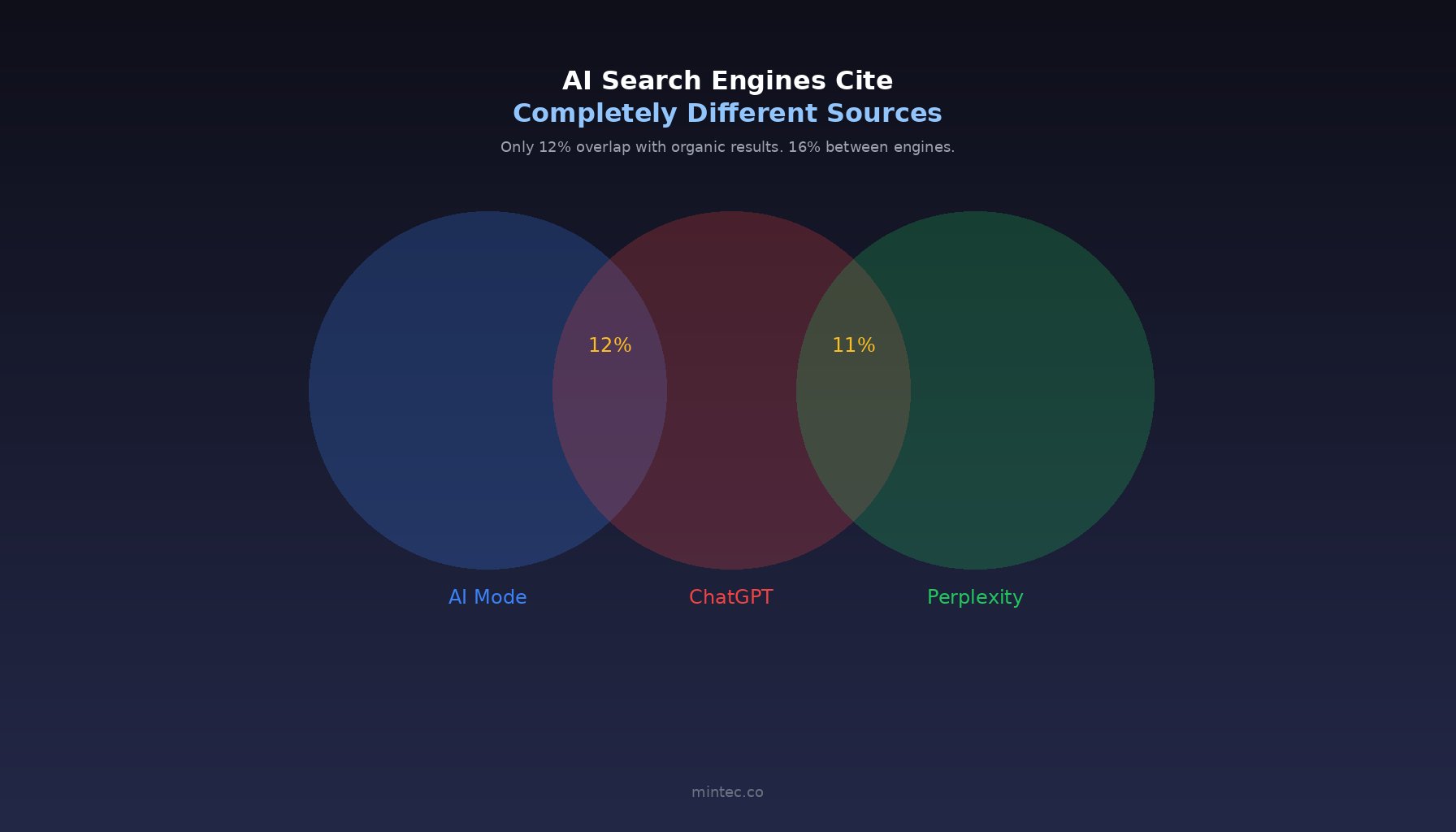
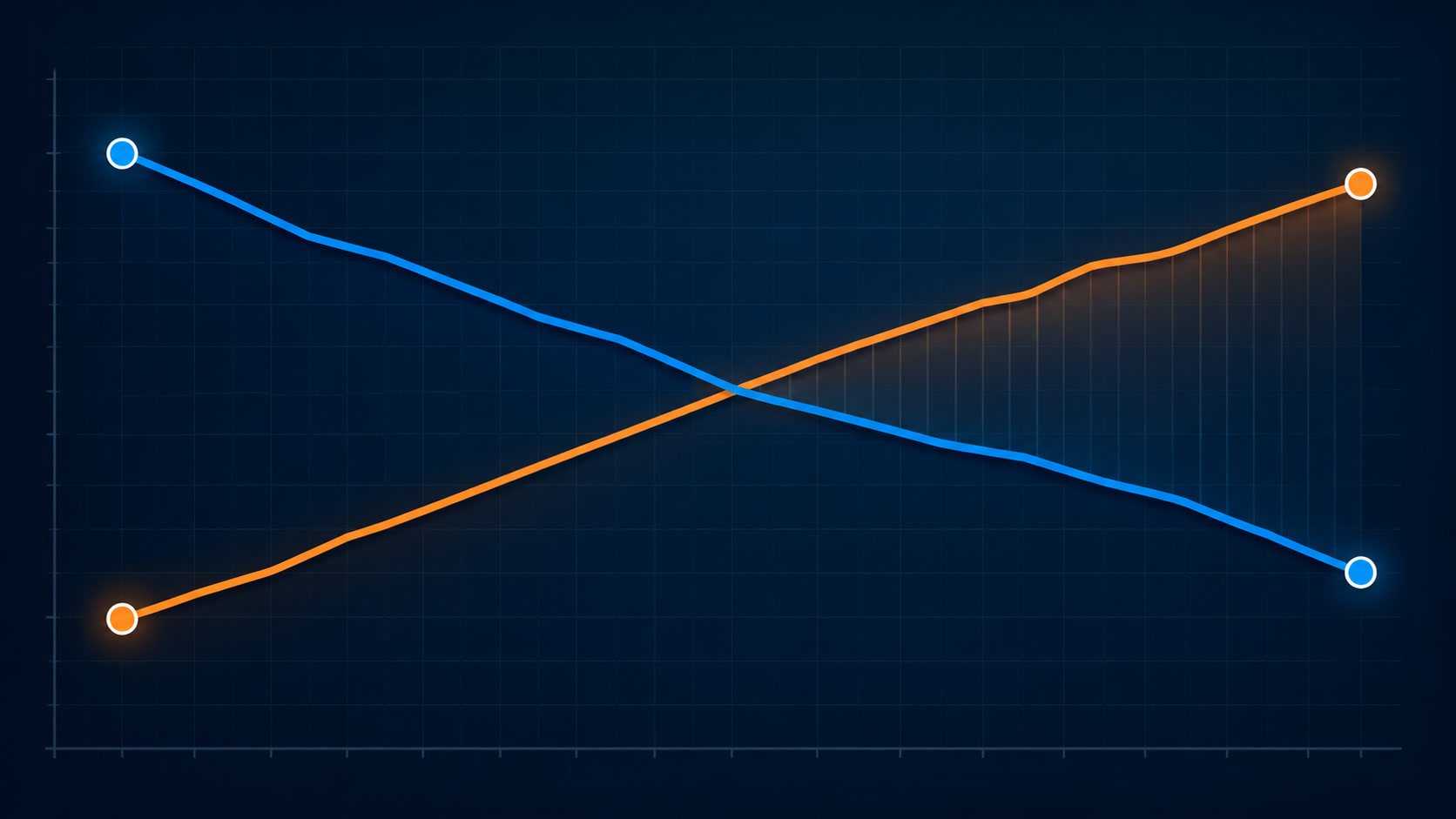
Brandlight research — cited everywhere in GEO content — says the overlap between Google top-10 results and AI-cited sources dropped from 70% to below 20%. That number shows up in almost every GEO pitch deck. But Ahrefs data tells a different story: 76.1% of URLs cited in AI Overviews also rank in the top 10 of Google search results.
Both datasets are measuring something real but different. The Ahrefs number maps better to what Google's own guide implies — strong SEO and AI visibility are correlated, not in conflict. You do not need to throw out your SEO playbook. You need to add a layer on top.
The delta between good SEO and good GEO is probably around 20% extra work: better content structure, fan-out query targeting, and making sure AI crawlers can actually access your pages. That is real work, but it is not a rebuild.
We wrote about this before in our piece on GEO for local businesses and how AI search changes predictive SEO. The pattern keeps holding: fundamentals first, optimization second.
What Changes Based on This
A few practical shifts.
If a consultant pitches you GEO as something fundamentally different from SEO, ask what they actually do. The real answer should be "optimize content structure for AI extraction and target fan-out sub-queries." The hype answer is "we get you into ChatGPT."
Audit your content for the sub-queries your target topic generates. Fan-out is not theoretical anymore — Google confirmed it works this way. If you rank for "best CRM for small business" but not for "CRM pricing," "CRM features comparison," and "CRM setup cost," you are leaving AI citations on the table.
Check whether AI crawlers can reach your pages. This is boring but it is the most common roadblock. Robots.txt, server logs for the ChatGPT-User agent, Cloudflare AI Crawl Metrics, JavaScript rendering — all of it matters.
So What
Google's guide confirms what most people doing this work already suspected: good SEO and AI visibility are not at odds. The fundamentals carry over. The extra work is real but manageable.
The people who extract the most value from GEO will be the ones who already have a strong SEO foundation. Not the ones looking for a shortcut.
Sources: Google Search Central "Guide to Optimizing for Generative AI Features on Google Search" (June 2026), Ahrefs AI Overviews citation data (June 2025), Brandlight GEO correlation research (2026).
Frequently Asked Questions
What is Google's official guide to optimizing for generative AI?
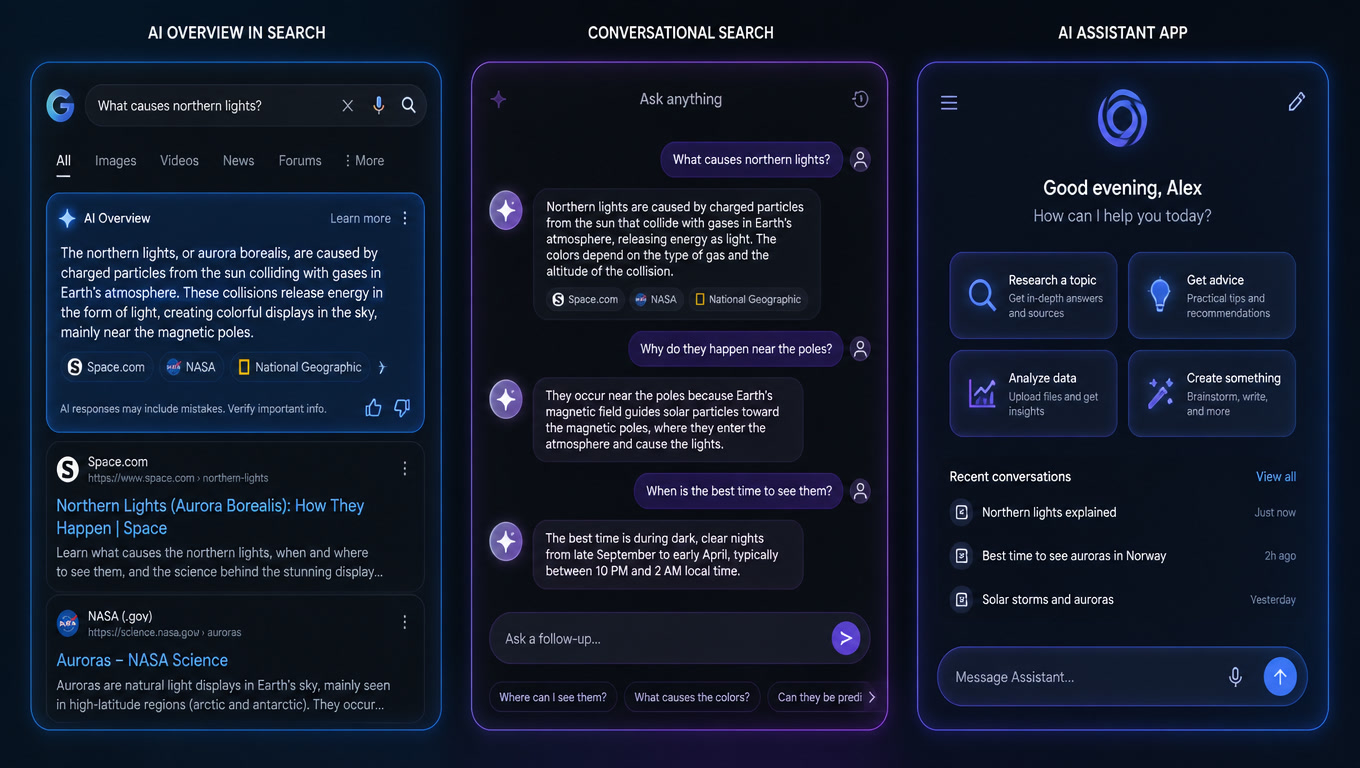
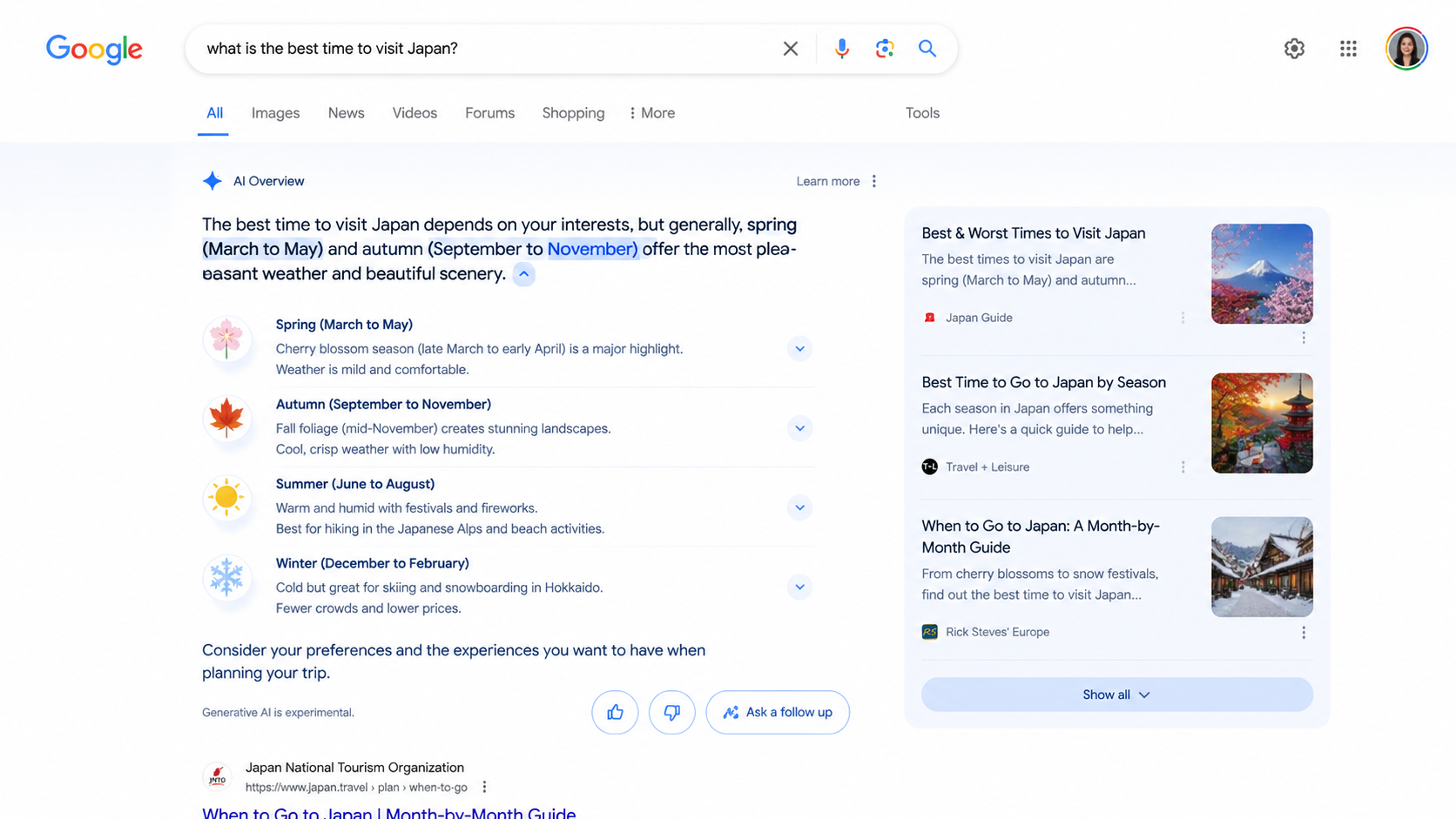
Google Search Central published a guide covering how to optimize content for Google's generative AI features, including AI Overviews and AI Mode. It covers query fan-out, content structure, AI crawler access, and E-E-A-T signals.
Does Google officially endorse GEO as a practice?
No. Google's guide mentions that 'AEO' and 'GEO' are industry-coined terms, not Google terminology. The guide points to standard SEO fundamentals rather than a separate optimization discipline.
Does ranking well on Google guarantee AI visibility?
According to Ahrefs data, 76.1% of URLs cited in AI Overviews also rank in the top 10 of Google search results. Strong SEO performance and AI visibility are correlated, but not identical — content structure and fan-out query targeting add a layer on top.