
GEO for Local Businesses: How to Dominate AI Search Results in Your City
Gartner predicts traditional search volume will drop 25% by end of 2026. For local businesses, GEO (Generative Engine Optimization) is the new SEO. Here is exactly how to get cited by ChatGPT, Gemini, and Perplexity.
GEO for Local Businesses: How to Dominate AI Search Results in Your City
Picture this. A homeowner in your city wakes up at 2 AM to a burst pipe. A few years ago, they grabbed their phone, opened Google, scrolled past three ads, and clicked the first plumber they saw.
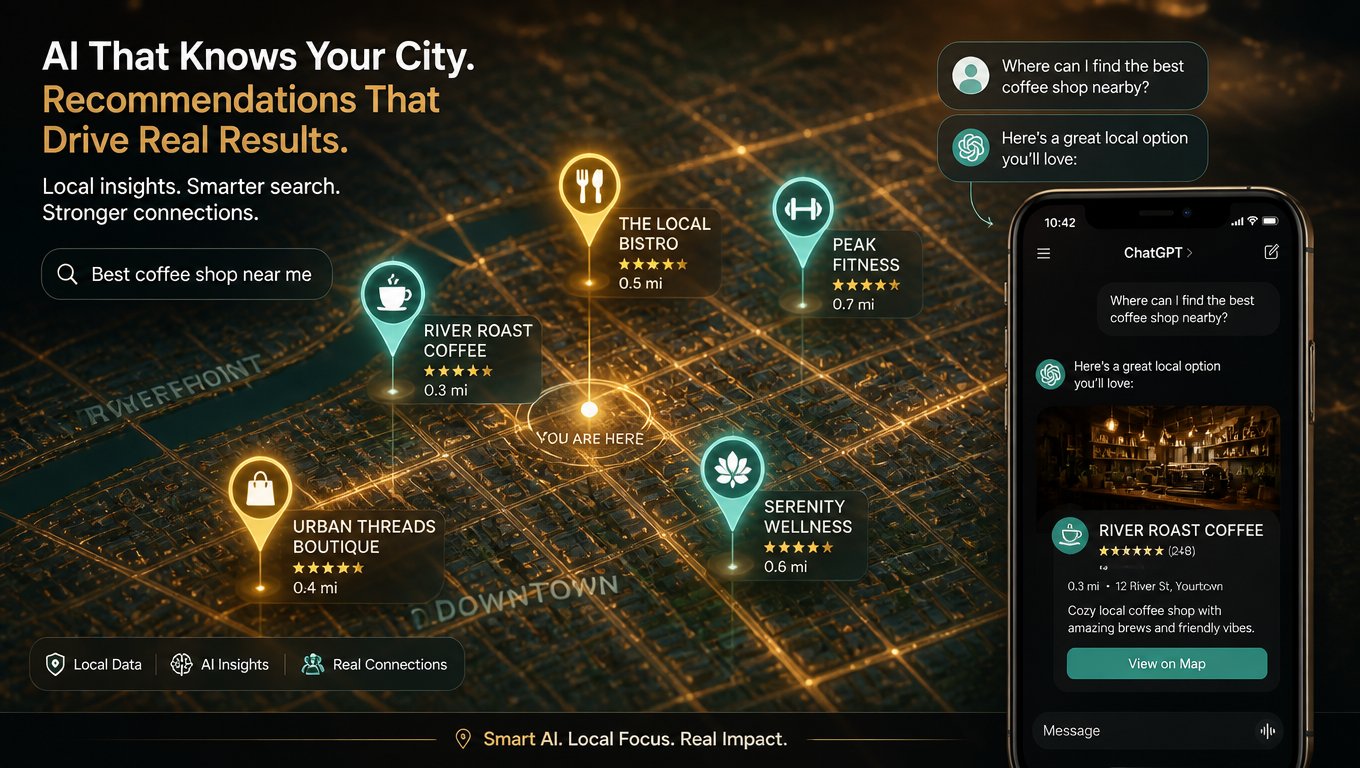
In 2026, that same homeowner opens ChatGPT and types: "Who is the most reliable emergency plumber near me right now?"
The AI does not show ten blue links. It gives one direct answer: a business name, a phone number, and a reason to trust them. Right in the chat window.
If that business is yours, you win the customer instantly. If it is not, you never knew the opportunity existed.
That is the reality of search in 2026. Generative Engine Optimization (GEO) determines whether your business shows up in those AI-generated answers.
What GEO Actually Is
Generative Engine Optimization is the practice of structuring your website content and code so AI tools like ChatGPT, Google Gemini, and Perplexity can read, understand, and recommend your business as the best answer to a user's question.
The term comes from a 2023 Princeton University paper defining GEO as a method for content creators to improve visibility in generative engine responses. By 2026, that academic concept is an operational priority for marketing teams everywhere.
Traditional SEO aims to rank your link higher on a page of links. GEO aims to make you the answer itself. Not a link to an answer. The answer.
AI does not care how many times you repeated your target keyword. It cares about clarity, authority, and context.
Why This Matters Now
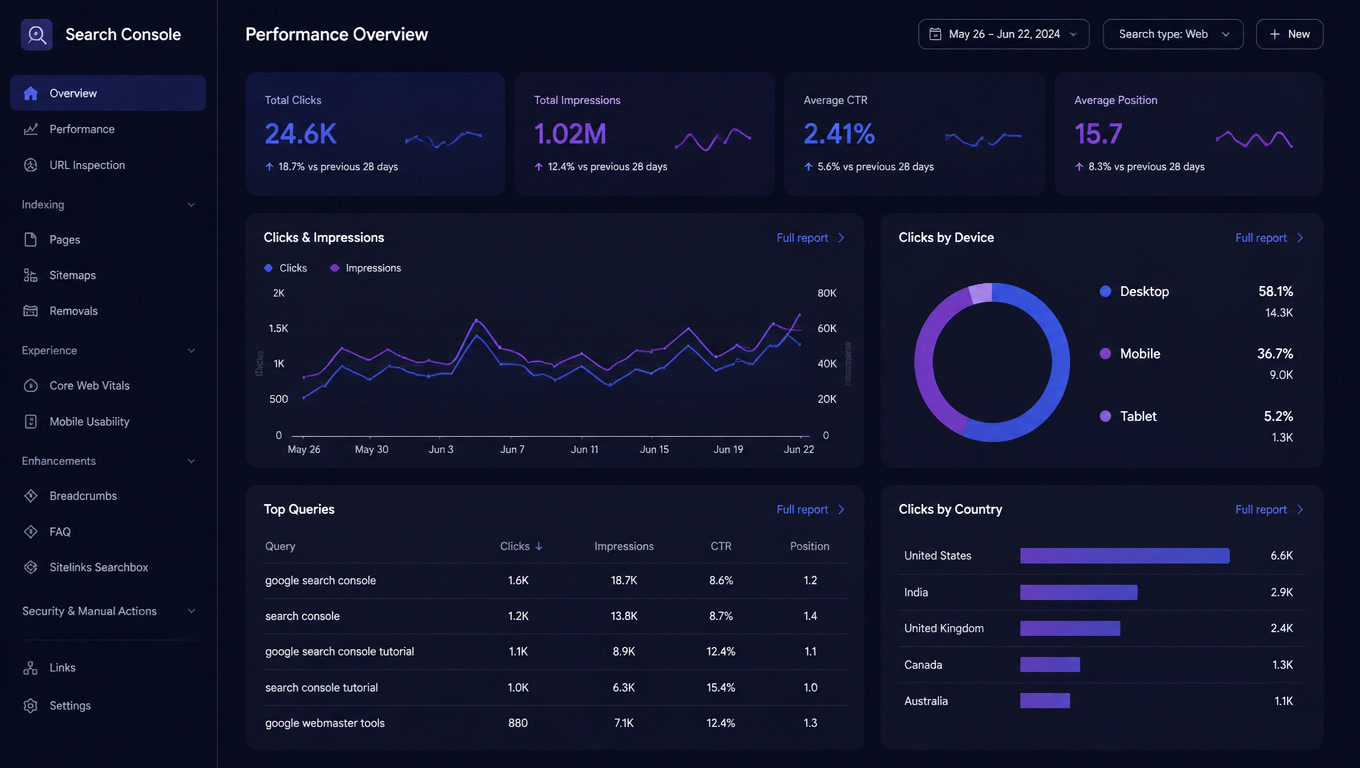
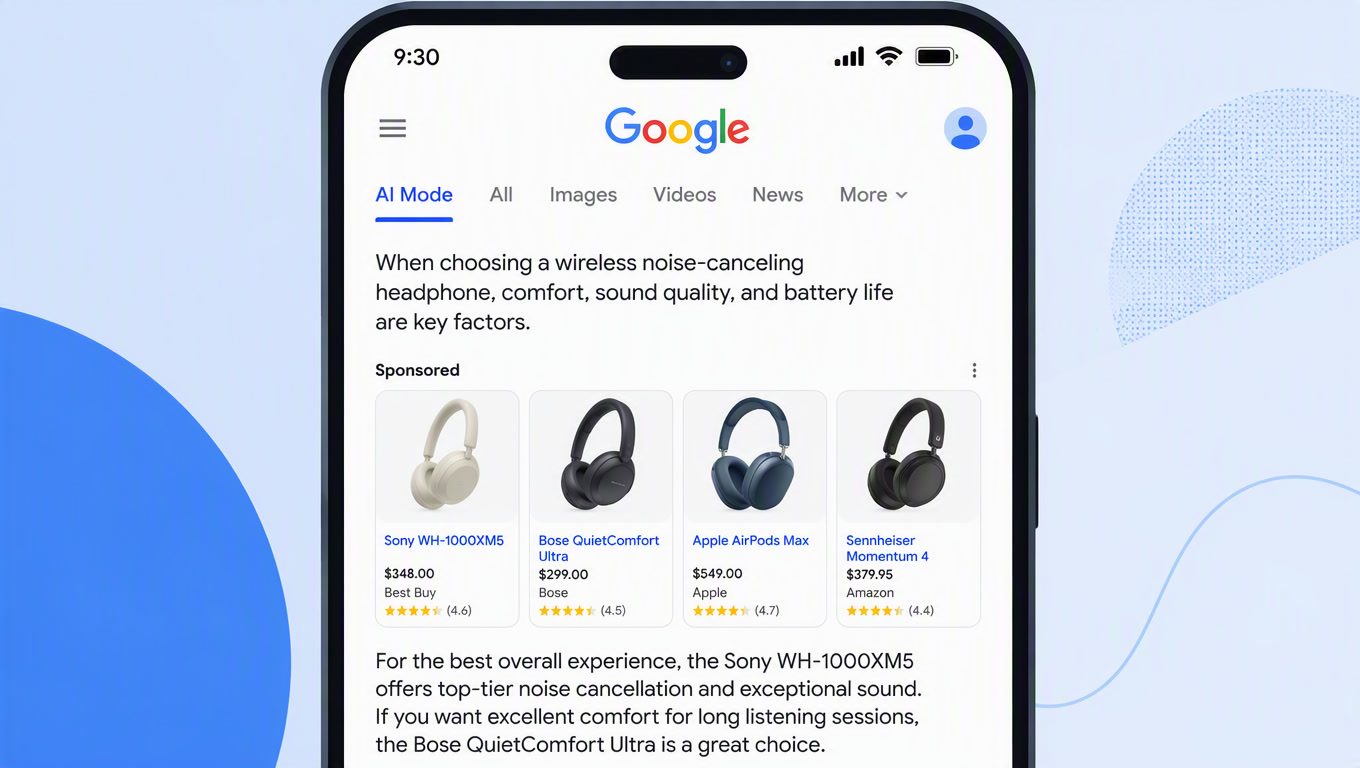
Gartner predicts traditional search volume will drop 25% by end of 2026 as users shift to AI-generated answers. One in four searches that used to happen on Google now happens on ChatGPT, Perplexity, Gemini, or AI Overviews within Google itself.
AI referral traffic to small business websites increased 123% in 2025 according to data cited by Slaterock Automation, and it is still growing fast. Most business owners have no idea they are already being cited — or ignored — by AI engines because this traffic does not show up in standard analytics the same way organic does.
Nearly 47% of brands have no GEO strategy as of 2026. Most of your competitors have not started yet. The window is open but it will not stay open forever.
Content with schema markup, statistics, and clear FAQ structure shows 30-40% higher visibility in AI-generated answers, according to 2026 research. Those are not marginal gains. They are the difference between being the answer and being invisible.
Why Traditional Local SEO Is Losing Ground
I talk to local business owners who are frustrated. They spent thousands on a website and SEO two or three years ago. For a while, the phone rang. Now it is quieter and they cannot explain why.
The answer is not that SEO stopped working. The rules changed.
Most older sites were built for human eyes and 2019-era algorithms, not for AI crawlers. If your site is slow, bloated with plugins, or written in vague marketing language, an AI bot scans it, finds nothing useful to quote, and moves on to a competitor's cleaner site in milliseconds.
AI engines have zero patience for clutter. They reward fast, clear, well-structured sites. If they cannot immediately understand what you do, who you serve, where you are, and why you are trustworthy, you are invisible.
And zero-click search is accelerating. More people get answers directly from AI without visiting any website. If you are not the source being quoted, you do not just lose the click. You lose the customer.
How to Optimize for AI Search
Based on current research and what works at Mintec, here are the four things that move the needle for local businesses.
1. Answer-First Content
AI engines answer questions. Your site needs to provide direct answers before the user finishes typing.
Look at your current headings. If they say "Our Services" or "Welcome to Our Site," you are losing ground. AI engines scan headings to understand page structure. Replace vague headings with question-based or answer-based headings. Instead of "Plumbing Services," use "Emergency Plumbing Available 24/7 in [City]." Instead of "About Us," use "Family-Owned Plumbing Company Serving [City] Since 2010."
Create a dedicated FAQ page with real customer questions you actually receive — not generic questions you think sound good. Ask your front-line staff what people ask every day. Those are the questions that matter. Each Q&A pair should be a self-contained block an AI can cite independently. Use FAQ schema markup so AI engines can find and extract these pairs.
2. Schema Markup (Structured Data)
This is not optional in 2026. Schema markup is how AI engines understand the structure of your content. Without it, you are asking an AI to guess what your business does and where you operate.
Critical schema types for local businesses:
- LocalBusiness schema with full name, address, phone number, opening hours, and service area
- FAQ schema for question-and-answer content
- Review schema for ratings and testimonials in a format AI can parse
- Article schema for blog posts and guides
Content with proper schema markup shows 30-40% higher visibility in AI-generated answers according to 2026 research. That alone can be the difference between getting cited and getting ignored.
3. E-E-A-T Signals
AI engines use similar signals to Google's E-E-A-T framework (Experience, Expertise, Authoritativeness, Trustworthiness) to decide which sources to trust and cite.
For a local business:
- Experience: Include specific years in business, number of jobs completed, and real customer stories. "Over 3,500 plumbing emergencies handled since 2010" is more convincing than "We have years of experience."
- Expertise: Publish detailed guides about your craft. If you are a plumber, write about pipe materials, water heater maintenance, and how to prevent frozen pipes. Show that you know your field.
- Authoritativeness: Get cited by other local websites — local news, industry associations, community organizations. AI engines cross-reference citations across multiple sources to determine authority.
- Trustworthiness: Display real customer reviews, professional certifications, licenses, and insurance information prominently. Make it easy for AI to verify that you are a legitimate business.
4. Location-Specific Content
AI engines prioritize geographically relevant answers. If your business serves a specific city or region, your content must reflect that explicitly.
Create individual pages for each location you serve. Each page should include:
- The specific city or neighborhood name in the title and H1 heading
- A map showing your exact location
- Local landmarks or neighborhoods you serve
- Testimonials from customers in that specific area
- Contact information with the local phone number
Do not duplicate content across location pages. Write unique content for each one that reflects the specific community and the services most relevant to that area. AI engines are good at detecting duplicate content and will penalize you for it.
A Real Scenario: Before and After
Let me walk through what this looks like in practice.
Before GEO optimization: A roofing company in Austin has a website with a homepage that says "Quality Roofing Services" and has paragraphs about how they "strive for excellence" and "put customers first." Their about page says they have "over a decade of experience." No schema markup. No FAQ page. Location mentioned once in the footer.
When someone asks ChatGPT "who does roof repair in Austin Texas," the AI scans this site. It finds vague claims, no structured data, and no clear answers. It moves on to a competitor.
After GEO optimization: The same roofing company adds LocalBusiness schema with their address, service area, and hours. They create an FAQ page answering "How much does roof repair cost in Austin?" and "How long does a roof replacement take in Texas weather?" Each answer includes specific numbers and local context. They write a guide titled "Roof Repair After Austin Hail Storms: What Homeowners Need to Know." They get a citation in Austin's local news site.
Now when ChatGPT gets the same query, it finds: clear schema telling it this is a roofing company in Austin, a FAQ with specific answers it can quote directly, a detailed guide showing expertise in local conditions, and a citation from a trusted local source. The AI cites the business in its response.
The difference is not subtle. It is the difference between being invisible and being the default answer.
Common Mistakes Local Businesses Make
Having worked on this extensively, here are the patterns I see most often.
Treating GEO like keyword stuffing. Adding the same location name to every paragraph does not help. AI engines look for natural, authoritative content, not repetition.
Ignoring mobile performance. AI crawlers penalize slow sites the same way Google does. If your site takes more than 3 seconds to load on mobile, fix that before anything else.
Neglecting citation consistency. AI engines cross-reference your business information across Google Business Profile, Yelp, Bing, Facebook, and industry directories. If your phone number or address is inconsistent across these, AI engines will treat you as less reliable.
Forgetting about reviews. Positive reviews on Google and Yelp are a strong trust signal for AI engines. Make sure your review profile is active and that you respond to both positive and negative reviews.
The Quick Self-Audit
- Search for your business on ChatGPT, Perplexity, and Google AI Overviews. Ask questions your customers would ask. Do you appear?
- Check your schema markup with Google's Rich Results Test. If you have none or it is wrong, start there.
- Audit your content. Are pages answering specific questions or full of vague language?
- Check citations. Are you listed consistently on Google Business Profile, Yelp, Bing Places, and industry directories?
- Test site speed. If pages take more than 2.5 seconds to load, fix that first.
Related articles
- YouTube SEO: How AI Search Is Changing Video Discovery Forever
- Digital marketing in 2021: How to prepare your company for the changes?
- 5 mistakes you are making in your Facebook Ads strategy and how to avoid them
Bottom Line
GEO is not a replacement for SEO. It is an additional layer on top of your SEO foundation. Brands that perform well in GEO almost always have strong traditional SEO too, because AI engines use many of the same quality signals.
But most local businesses have not started their GEO strategy yet. The ones that start now will capture AI answer traffic while competitors wonder why the phone stopped ringing.
At Mintec, we have been working on GEO since before it had a name. Our SEO & GEO practice helps local businesses structure content, implement schema, and build the authority signals AI engines look for across ChatGPT, Perplexity, Gemini, and Google AI Overviews.
Related reading: Our guide to predictive SEO in 2026 covers the broader search landscape. This article on why SEO matters for your business covers the fundamentals. And our piece on zero-party data marketing in 2026 discusses another key trend in how businesses capture customer intent signals in the AI era.