Google's May 2026 AI Overviews Update: The 5 Link Changes That Actually Send Traffic Back to Publishers
On May 6, 2026, Google rolled out 5 changes to AI Overviews and AI Mode to reverse the 58% publisher click decline. Inline links, hover previews, Subscribed labels, Expert Advice blocks, and Explore New Angles sections. Here's what changed and how to adapt your content strategy.
Google's May 2026 AI Overviews Update: The 5 Link Changes That Actually Send Traffic Back to Publishers
On May 6, 2026, Google shipped five changes to AI Overviews and AI Mode designed to send more traffic to publisher websites. This is documented on Google's own blog — not speculation, not industry rumor.
AI Overviews had been bleeding publishers dry. TNW's analysis in May 2026 pegged the click decline at 58%. Publishers were filing antitrust complaints. The EU and DOJ were watching. Something had to give.
Google's response wasn't to dial back AI Overviews. It was to make the links inside them actually work.
Inline citations, hover previews, Subscribed labels, an Expert Advice block, and an Explore New Angles section. Five interface changes that fundamentally shift the economics of content in AI search.
Here's what changed and what it means for anyone creating content in 2026.
The problem: AI Overviews was a click black hole
Before May 6, AI Overviews had one direction of travel for publishers: down.
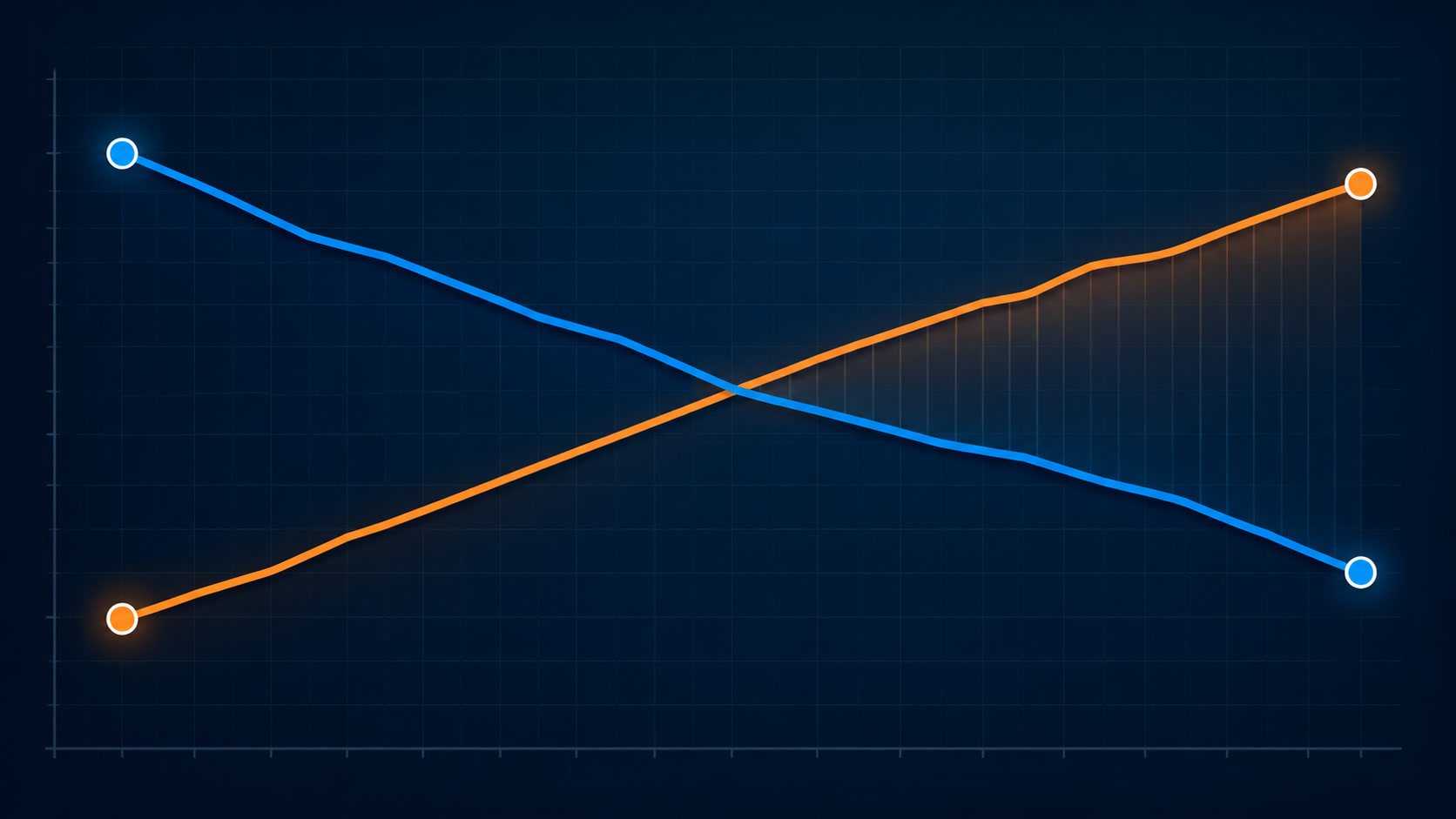
- 58% fewer clicks to publisher sites from AI Overviews, per TNW (May 2026).
- 61% organic CTR decline on pages that trigger an AI Overview vs. traditional results, per NetConnect Digital.
- AI Overviews in 25.8% of US searches, rising to 50% of informational queries.
Google needs publishers to keep producing original content. If the traffic pipeline is broken, the content pipeline dries up too. The May 6 update is Google's attempt to fix that pipeline without giving up the AI search experience.
The 5 link changes
1. Inline source links
Before: links appeared at the bottom of AI Overview responses. After: links sit inside the response body, next to the specific sentence they support.
This is the biggest change. An inline link — placed in the text the user is already reading — has inherently higher CTR than a generic link at the bottom. Google's own testing confirmed that users are "significantly more likely" to click contextual links.
What to do: structure every article with extractable answer paragraphs (2-4 sentences above the fold that directly answer the core question). Those are the paragraphs Google will cite with an inline link.
2. Hover previews
On desktop, hovering over an AI Overview link now shows the site name and page title before you click.
This reduces click uncertainty. Users see where they're going before committing. For brands with established authority, this is an advantage. For generic content, it's a filter — users will skip if the title doesn't signal value.
What to do: your title tags need to communicate specific value, not just topic. "A Complete Guide to X" won't cut it anymore. "A Practical Guide to X for Marketing Teams Under 10 People" will.
3. Subscribed labels
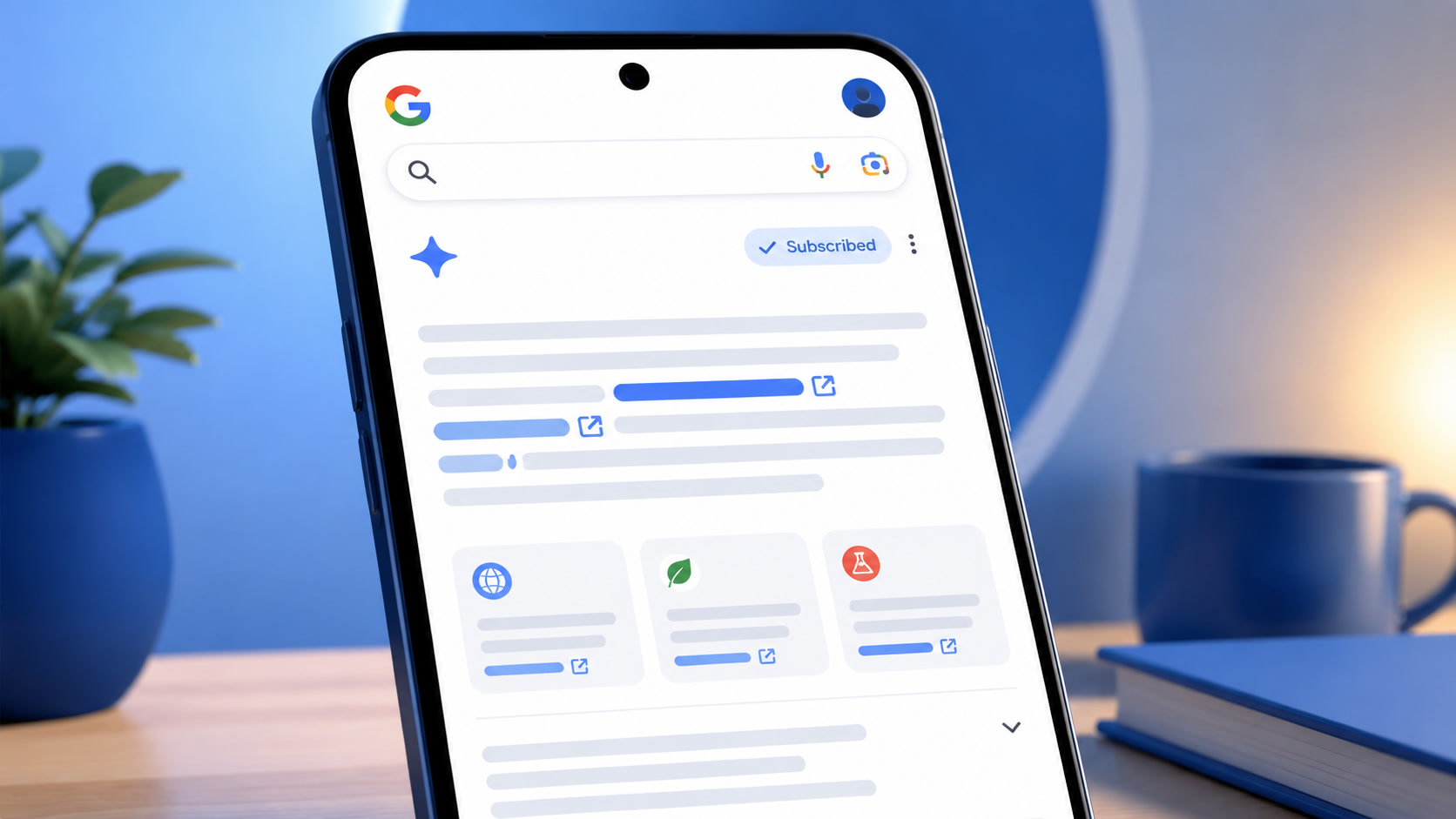
If a user has an active subscription to a publication (NYT, The Atlantic, a local newspaper), Google shows a "Subscribed" badge next to that link in AI Overviews.
Google reported that in early testing, users were "significantly more likely" to click links with the Subscribed label. This creates a direct competitive advantage for subscription-based content.
What to do: if you run a paid newsletter or membership program, this is your signal to lean into it. If you don't, consider whether a subscription model could give your content an edge in AI Overviews over open competitors.
4. Expert Advice block
Google added a dedicated section in AI Overviews that pulls first-hand perspectives from forums, social media, and community discussions — with the creator's name and community attached.
This is Google explicitly prioritizing lived experience over institutional authority. A Reddit thread from a mechanic with 15 years of experience can appear next to an article from a major publication.
What to do: publish content with real perspective — opinions, case studies, direct experience — not just informational articles. The neutral, institutional tone that dominated SEO for a decade is losing value. Authentic voice is winning.
5. Explore New Angles section
At the bottom of AI Overview responses, Google now suggests related subtopic links. This replaces the old "Further Exploration" concept with more specific, angle-driven recommendations.
What to do: this rewards content clusters. A single article that answers the core query is table stakes. The articles that get clicked from Explore New Angles are the ones covering specific subtopics in depth. If you have a pillar page about GEO, you also need dedicated articles about AI citation optimization, structured data for AI, and E-E-A-T signals — because Google will surface them together.
What this means for your content strategy
The May 6 update changes a fundamental assumption: that AI Overviews is a dead end for traffic. It's not anymore — but the path back requires specific content architecture.
Here's what we're doing at Mintec for our clients:
Extractable answers at the top of every article. A 2-4 sentence paragraph that directly answers the page's core question. This becomes the inline citation target.
Subtopic clusters, not isolated articles. Every pillar page needs 3-5 supporting articles that cover specific angles. Explore New Angles connects them.
FAQ schema on every question-answering page. We've seen citation rates increase significantly on pages with FAQPage markup. This has been consistent across our tests since March.
Real bylines and author perspective. The Expert Advice block rewards content with named authors and lived experience. Institutional "we" content without a named author is losing ground.
Title tags that sell the click, not just describe the topic. Hover previews make title tags a conversion factor, not just a ranking signal.
Not every change applies to every content type. A local service business won't benefit much from the Subscribed label. A SaaS company should prioritize content clusters for Explore New Angles. Context matters.
What didn't change
Nine days after this update, Google published its official AI optimization guide. The message: GEO and AEO are still SEO. The fundamentals — E-E-A-T, structured data, quality content — haven't changed.
What changed is the incentive structure. Before May 6, you optimized for AI citations hoping to build brand awareness. Now you optimize knowing that a citation can lead to a click.
That shift is the real story.
Bottom line
The May 2026 update is the first time Google has moved AI Overviews in the direction of traffic recovery rather than traffic capture. It doesn't solve the 58% decline overnight — but it reverses the trajectory.
Publishers and content creators who structure for extractability, build topic clusters, and publish with authentic voice will benefit. Those who keep writing generic, unstructured content will see AI citations without clicks.
The question used to be "how do I get cited in AI Overviews?" The new question is "when I'm cited, do people click?" That's the metric that matters now.
Frequently Asked Questions
What changed in Google AI Overviews on May 6, 2026?
Google rolled out 5 updates: inline source links placed next to the specific text they support, hover previews showing site name and page title on desktop, Subscribed labels on links from paid publications, a new Expert Advice block pulling first-hand perspectives from forums and social media, and an Explore New Angles section suggesting subtopic links at the end of AI responses.
Can I actually get traffic back from AI Overviews now?
Yes — but not automatically. The new link formats (inline links, Explore New Angles) create click opportunities that didn't exist before. The key is structuring content so it gets cited within the AI response AND has enough depth to justify clicks through those links. Extractable answers at the top, well-developed subtopics, FAQ structured data, and authentic author voice all increase your chances.
Does the May 6 update affect local businesses or just publishers?
Both. The Expert Advice block rewards businesses with genuine operational knowledge and named expert authorship. Local service businesses that document real experience with structured, well-marked-up content are positioned to earn more AI citations under this update, not fewer. The Explore New Angles section also benefits local content clusters that cover subtopics like neighborhoods, services, or use cases.