

Google Started Paying Publishers for AI Answers. Citations Are Explicitly Not What Pays.
Google's AI contribution pilot pays about 100 publishers for content in AI Overviews, AI Mode and Gemini. The help text says something most of the GEO industry is skipping: content that only confirms facts or gets linked after the answer is generated does not qualify. What the pilot actually pays, and what it changes for your content.
Google Started Paying Publishers for AI Answers. Citations Are Explicitly Not What Pays.
Google's AI contribution pilot, reported by Digiday on September 14, 2026 and detailed by The Information on September 29, pays roughly 100 publishers when their content shapes answers in the Gemini app, AI Overviews and AI Mode. The money is small for most: several small and midsize sites received less than 0.1% of their ad revenue. The part nobody is quoting is the qualification rule in Google's own help text. Content that merely confirms facts, or gets linked after the response is generated, does not pay. Only content that influences what the model writes while it writes it counts. That single line reframes what the GEO industry has been optimizing for.
I have read three years of "get more citations" pitches. Google just put a price on the two layers of that pitch and set one of them at zero.
What the program actually is
The mechanics, from Google's help text as reproduced by Search Engine Roundtable plus Digiday's reporting:
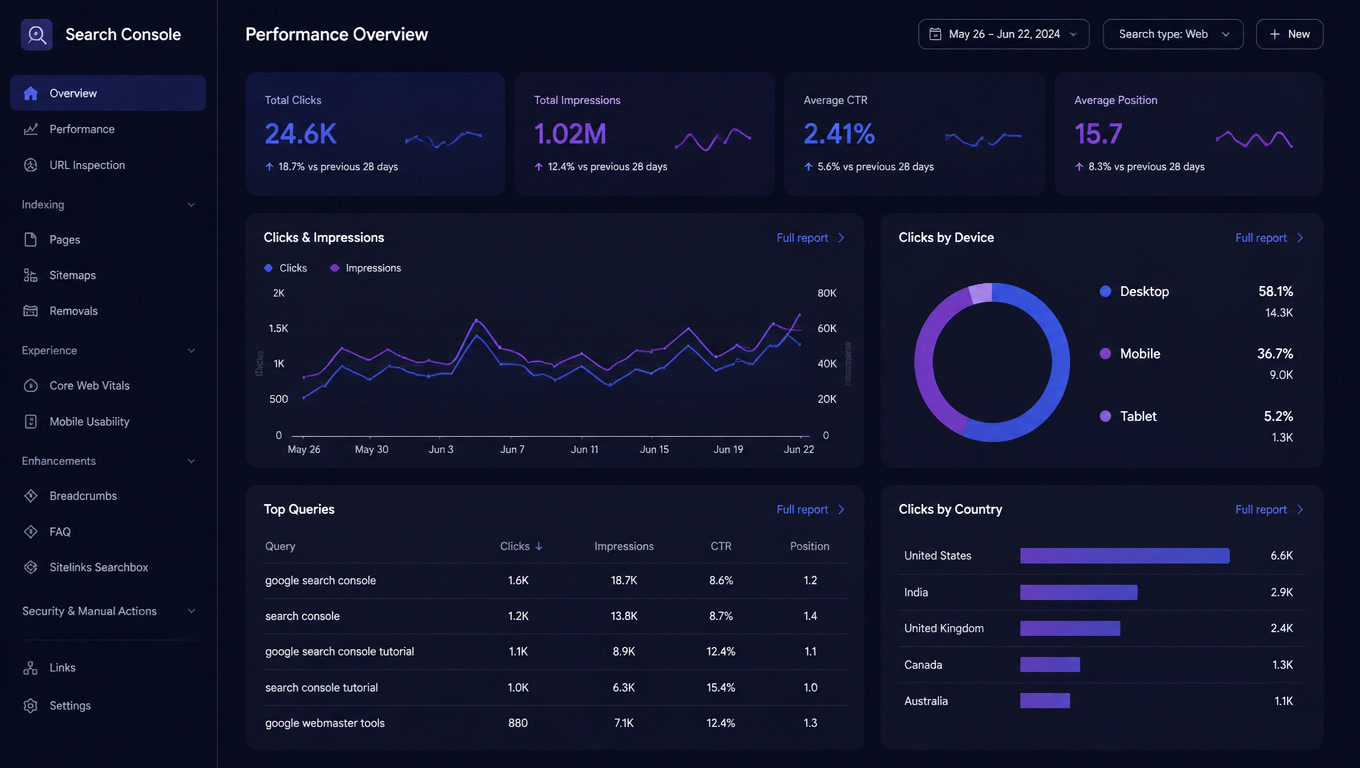
- Publishers accept Program Terms inside Search Console. A panel shows accrued earnings by month, with some history, and payment status once funds move to a bank account.
- Earnings accrue when content "contributes significantly to the creation of AI-generated responses shown to users in participating products." The participating products are the Gemini app, AI Overviews and AI Mode.
- The help text is explicit about the boundary: "Web content may also confirm facts or be linked to within Google's AI after a response is generated, but those instances don't qualify for AI contribution."
- Publishers can leave at any time. Transfers may differ from the displayed estimate because of tax deductions and local payment thresholds.
Google's public position, given to Digiday, is that this is an early-stage learning pilot about how to reward high-quality content, on top of the traffic and tools it already provides. It points to a June post on its public policy site about partnering with websites whose content grounds generative answers. Google has published no program page, no rates, and no formula.
What the money looks like
The Information put numbers on the pilot on September 29, and the spread is the story:
- About 100 publishers are enrolled, mostly small and midsize sites, with several larger publishers declining to join in the hope that staying out forces a better offer.
- One publisher that joined early earns more than $1 million a year, a meaningful slice of its revenue.
- A publisher that joined a few months ago collected roughly $50,000 to $60,000, which it described as not much of its business.
- Several smaller sites received less than $1,000 over several months. For several small and midsize participants, total payments come to less than 0.1% of their advertising revenue.
- Niche subjects with committed audiences, anime and gaming named specifically, tend to earn more than broad coverage.
Participants told The Information they cannot tell how a payout is calculated. Month-to-month figures move without explanation. There is no formula Google shares with the publishers in the program, as Barry Schwartz put it on his recap: no tie to impressions, clicks, or volume of content used.
Read those numbers against the traffic these sites lost. A publisher accepting a four-figure annual payment while its organic clicks fell double digits is not being paid for value. It is being handed a receipt.
The line that matters
The qualification rule is the actual news, and almost no coverage has led with it.
Payment covers the generation phase: your page was in the retrieved set, it shaped what the model decided to say. Being cited afterward, being used to double-check a fact the model already produced, being the link attached at the bottom of an AI Overview once the text exists, earns nothing.
Consider what that does to the standard GEO playbook. Every citation tracker on the market counts the unpaid tier. Your share of voice, your mention frequency, your citation share against competitors, all of it measures appearances, and Google has just told you which appearances it refuses to pay for. We flagged this class of number as vanity metrics two months ago, arguing that mention counts don't correlate with traffic or revenue. The pricing decision makes the argument in dollars.
The distinction also cuts through a confusion in the coverage itself. A link inside an AI Overview registers as an impression in Search Console's generative AI report, and that same link, on the help document's own terms, may pay nothing. Visibility, citation, and payment are three different meters reading the same page. If you have been reporting "AI visibility" to a client as one number, you are blending at least three.
Why Google can set the price
This is the part I would not gloss over. The program is value-based, which means Google decides what a contribution was worth, holds the meter, reports the number, and withholds the click data that would let a publisher weigh the payment against the traffic it lost. The earnings panel shows a monthly figure and no methodology. The AI performance report shows impressions and no queries.
That is not a neutral arrangement, and publishers have noticed. Some describe the program as legal cover rather than a revenue stream: money on the table that quietly supports the argument that a licensing deal already exists. Others note that declining does not stop the usage. Leaving the payment program does not pull your content out of AI features, and joining grants Google no access it did not already have. The two switches are separate, which is exactly why the refusal strategy from larger publishers is a bet on leverage rather than on control.
For once the pricing is visible, even if the model behind it is not. Before this pilot, "being used by Google's AI" had no price at all. Whatever the number, zero became a floor in September.
What we are doing about it
Three practical moves, in order:
- Check the panel. Open Search Console and look for the AI contribution entry. If it is there, you are in a test group with data almost nobody has. If it is not, you know the invited set is still narrow. Two minutes, no commitment either way.
- Stop reporting raw citation counts as the outcome. Keep tracking them as a diagnostic, but split the layers in your reporting: did the page shape an answer (the paid tier, by Google's definition), did it get cited (unpaid), did it get the click (the one that pays your rent). Our AI search measurement stack covers where each of those numbers lives.
- Reweight the content itself. The generation phase rewards pages with facts the model cannot reconstruct from the general web: your own numbers, your pricing, your spec tables, your tested results, your local rules. A summary of what everyone already says has nothing to contribute during generation. This is the same advice we gave after auditing what actually moved our own citations, only now it has a payout line attached.
For a B2B service business the calculus is simpler than for a publisher. Nobody is inviting an agency site into a payout program that matters. What matters is that Google has now told you, in writing, what kind of content it considers contributory during generation, so that is the kind worth writing. The money is a publisher story; the qualification rule describes what Google wants from everyone's content.
Sources
- Digiday: Google rolls out pay-per-value AI licensing program to publishers (September 14, 2026)
- The Information: Google Is Paying About 100 Digital Publishers for AI Overviews (September 29, 2026), as reported by Ars Technica and PPC Land
- Search Engine Roundtable: Google AI Contribution Pilot and Google Paying ~100 Publishers 0.1% Of Ad Revenue
- Search Engine Journal: Google AI Pilot Pays Some Sites Under 0.1% Of Ad Revenue
Frequently Asked Questions
What is Google's AI contribution pilot?
A program Google runs inside Search Console, first reported by Digiday on September 14, 2026, that pays publishers when their content significantly contributes to AI-generated responses in the Gemini app, AI Overviews and AI Mode. Participation is optional, payments accrue per site, and publishers can cancel at any time from Search Console settings.
Does Google pay you for being cited in an AI Overview?
No. Google's help text states that content which only confirms facts, or is linked inside a response after it has been generated, does not qualify for AI contribution earnings. Payment covers the generation phase only, where your page meaningfully influences what the model writes.
How much does the AI contribution pilot pay?
The range is extreme. The Information reported about 100 participating publishers: one early participant earns more than $1 million a year, a later entrant collected roughly $50,000 to $60,000 over a few months, and several small and midsize sites received less than $1,000 over several months, which amounts to under 0.1% of their advertising revenue. Google does not publish the formula.