

Should a small business optimize for AI search?
Yes, but in the right order: fix what AI engines say about your business first, then run a 90-day test with a clear metric. That is how you decide with data whether AI search optimization is worth it for a small business.
Yes, but do not start with "getting cited by AI." Start by fixing what AI says about your business. Then run a 90-day test with one clear metric and let the numbers decide whether to keep going. Most small businesses lose more from wrong AI answers than they gain from chasing citations.
This question keeps coming back in r/SEO. The thread "Should a small business optimize for AI searches?" has 27 comments and no consensus, because the question is framed wrong. It is not yes or no. It is "in what order, and with what decision gate?"
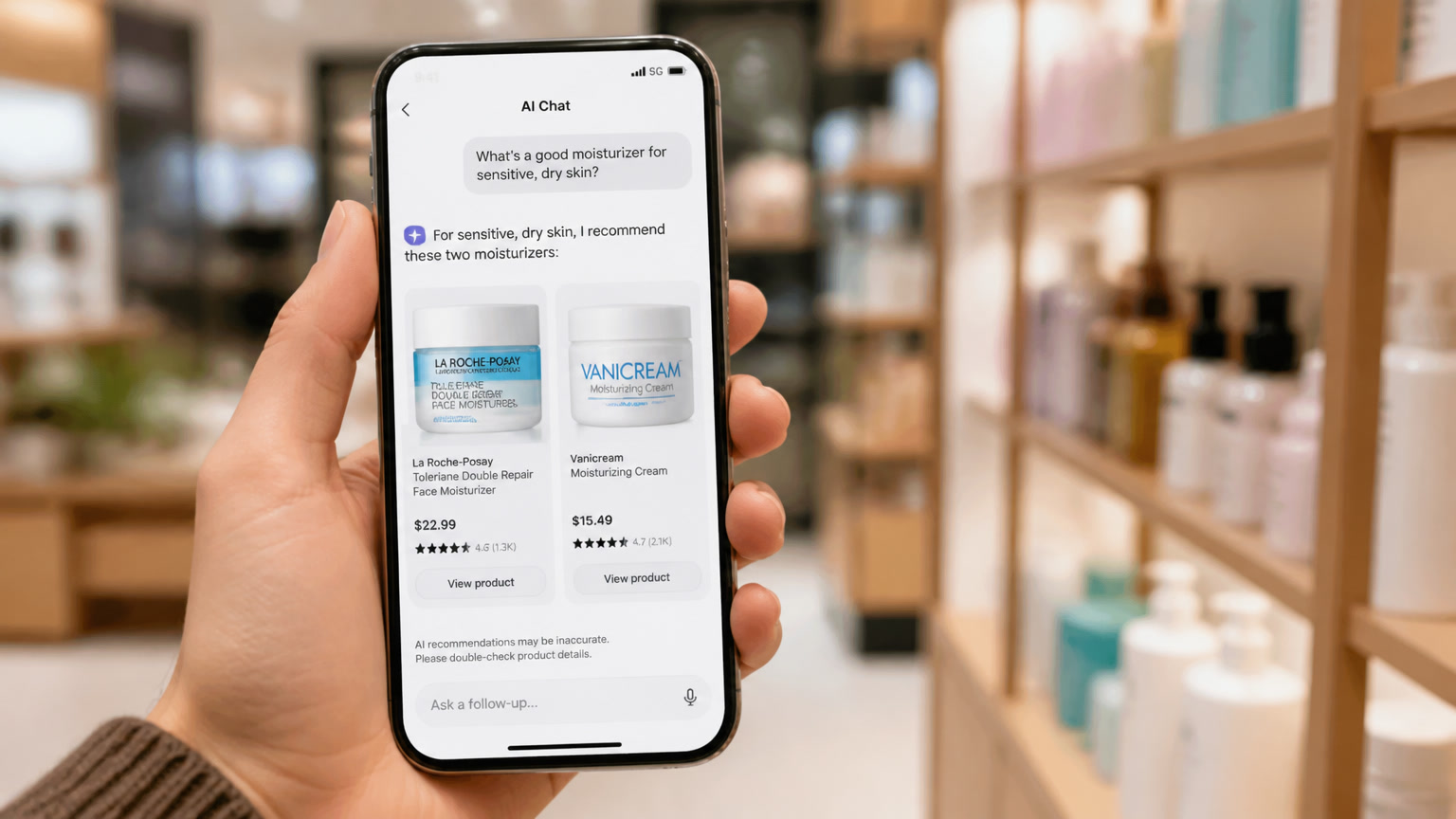
Here is the data point that reframes it. In late August 2026, Empirank audited 182 businesses that ChatGPT recommends: 24 carried incorrect claims and 479 more could not be confirmed (PPC Land). One in nine recommendations contained a false claim. If AI gets that many details wrong about businesses it already recommends, imagine what it says about the ones it barely mentions.
That changes the goal. For a small business, the first AI search optimization task is not ranking. It is making sure AI can describe you without lying.
What AI engines cite when a customer asks about your type of business
When someone asks ChatGPT for a service in their city, the answer does not come from a magic database. It comes from a handful of sources: your Google Business Profile, review platforms, directories, social profiles, and your own pages when they are structured well. You are not competing against all of the internet. You are competing against the five or six sources that feed the answer.
We saw the same pattern in our citation profile analysis across ChatGPT, Perplexity, and Gemini. AI engines repeat what they find consistent. If your hours say one thing on Google, another on your site, and another in a directory, the model cannot tell which is right, so it tends to keep the oldest or most popular version, not the correct one.
So the first question is not "how do I rank in AI?" It is "how consistent is the information AI can find about me?"
When AI search optimization pays for a small business, and when it does not
Not every business needs the same treatment. Here is the comparison we run with clients before touching a single page:
| Situation | Worth optimizing | Better to wait |
|---|---|---|
| Business type | Local decision services: clinic, workshop, plumber, law firm | Businesses where nobody researches before buying (impulse, aisle) |
| Critical facts | Hours, prices, service area: one error costs a customer | The right or wrong fact does not change the decision |
| Competition | Competitors already get cited and you do not | Nobody is cited, the whole category is invisible |
| Capacity | Someone can keep information current every quarter | No data owner and no time to update anything |
The underlying rule: AI search optimization amplifies what is already true and findable. It does not invent trust. If your business has inconsistent reviews or an abandoned profile, no GEO strategy replaces them.
The pre-flight: what to fix before spending a dollar
Before hiring anyone, run the audit we already documented (the 30-minute GEO audit). Short version:
- Open ChatGPT, Gemini, and Perplexity and ask the same four questions a customer would: what the business does, where it is, what it charges or what the main service is, and whether it would be recommended.
- Save dated screenshots. Do not delete the bad answers. They are your baseline.
- Check the sources each answer cited. If it cited a directory with your old phone number, that is the problem.
- Compare name, address, phone, hours, and services across your site, Google Business Profile, socials, and directories. Every difference is an accuracy leak.
We call this the "am I citable?" check. It does not ask whether your site is pretty. It asks whether five independent sources can agree on who you are. If they cannot, no AI agent can recommend you well. This is not our theory: Google's official AI optimization guide asks for exactly this, accurate, consistent, verifiable information instead of keyword-padded pages.
The 90-day test with a gate
After fixing the basics, run a bounded experiment. Thirty days to correct data and publish answers to the five questions your customers repeat most. Sixty more to measure. On day 90, sit down with the numbers and decide.
The gate metric is not citations. Citations look great in a report and do not pay rent (measuring AI visibility without falling for vanity metrics). The metric that matters is tracked contact: calls, WhatsApp messages, or forms you can attribute to that channel. If the test does not move that metric, the fix is not more spending. It is correcting the fit or stopping in time.
We have run this process on live sites with an evidence sheet (what we learned running GEO on a production site). What we learned: accuracy changes show up in weeks; new answers take 60 to 90 days and are never guaranteed. That is why the test has a gate. Anyone who promises a citation in 15 days is selling smoke.
What I would tell a business owner
Treat AI answers like a storefront you can walk into and correct. A customer asks "where are they and what does it cost?" and AI answers for you. If it answers wrong, you lose the customer before a conversation exists. If it answers right, you got a recommendation without paying for ads.
Small businesses have a real advantage here: few sources, simple decisions, corrections you can make yourself in a weekend. You do not need an enterprise GEO stack to start. You need a weekend, four screenshots, and a list of things to fix.
And when day 90 says it is worth scaling, shop with criteria (how to evaluate a GEO agency before signing). There are a lot of citation salesmen and very little evidence. The 90-day test is your best defense: demand the same rigor you measured.
None of this requires magic. It is digital hygiene with a decision gate: be correct first, be visible second, and spend more only when the test shows the money coming back as calls and messages.
Frequently Asked Questions
Should a small business optimize for AI search?
Yes, but start with accuracy, not rankings. First check what ChatGPT, Gemini, and Perplexity say about your business and fix the wrong facts. Then run a 90-day test with a gate metric like tracked calls or messages. If the test does not move that metric, do not scale the investment.
How do I check what ChatGPT says about my business?
Open ChatGPT, Gemini, and Perplexity and ask the same four questions a customer would: what the business does, where it is, what it charges, and whether it would be recommended. Save dated screenshots and note which sources the answers cite. That capture is your baseline, not a trophy.
How long before a small business sees results from AI search optimization?
Correcting wrong facts can improve AI answers within weeks. A new page or an updated profile becoming the cited source typically takes 60 to 90 days, and it is not guaranteed. That is why the test needs a decision gate: if you see no attributable calls or messages after 90 days, stop and revise the plan.