
Google is now routing search clicks through google.com/goto: what breaks in your tracking and what doesn't
Google confirmed the google.com/goto passthrough rollout on August 26. SERP scrapers and rank trackers take the hit; your own analytics don't. Why GA4 and Search Console keep working, the three checks to run this week, and how Mintec measures visibility without scraping.
Google is now routing search clicks through google.com/goto: what breaks in your tracking and what doesn't
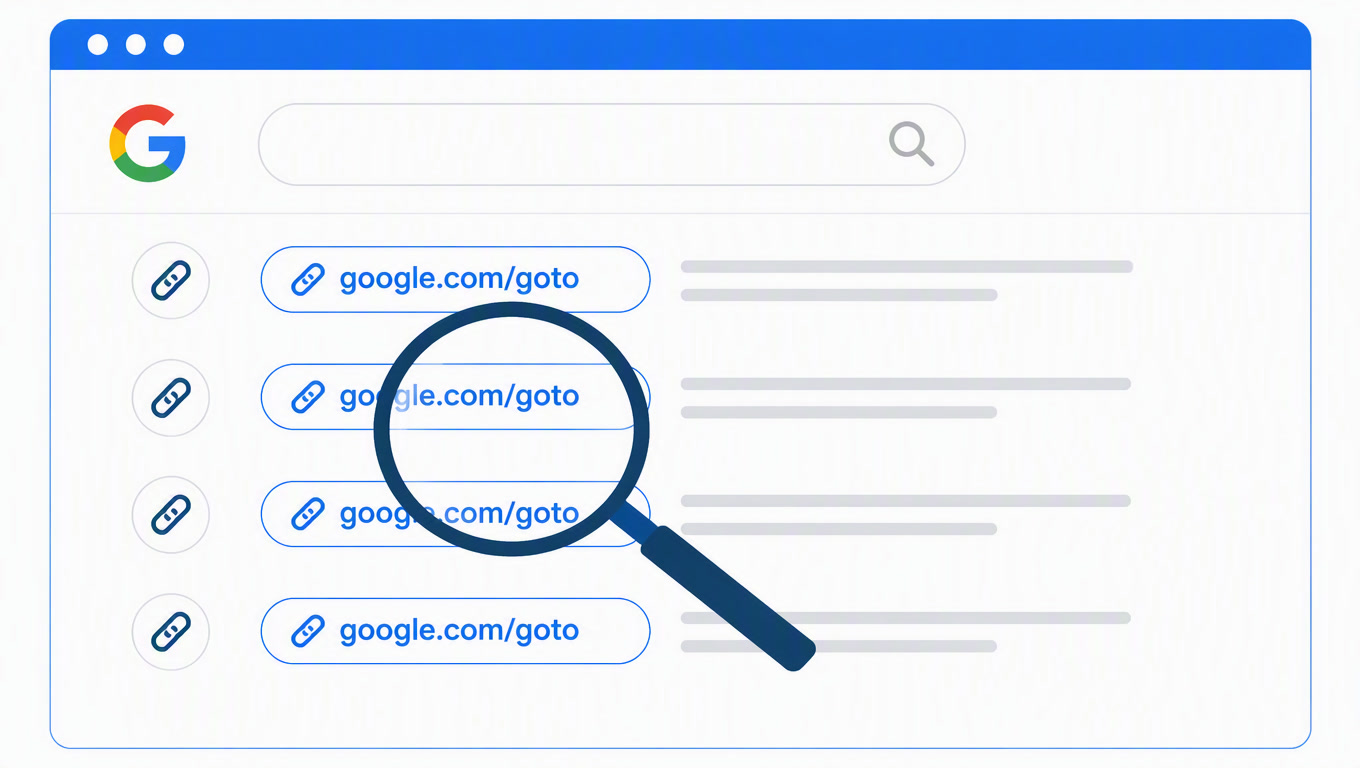
On August 26, Google confirmed what the search community has been watching since June: result links no longer point straight to your site. They pass through google.com/goto with the destination encoded. This breaks SERP scrapers and rank trackers. It does not break your analytics. GA4 and Search Console keep measuring the same way, because the redirect happens on Google's domain before the visitor ever reaches your page. The risk isn't losing data. It's trusting degraded data from a tool that can no longer read the results.
This sounds like infrastructure, which is why most marketing teams will ignore it. Mistake. What changed today is not your traffic. It is the quality of the tools you use to measure it. Let's start with what happened, with dates.
What happened this week, with dates
The first public sighting was June 23, when Alex Greenland posted on X that result links were being rewritten as google.com/goto?url= with a proprietary encoding. On July 8, Search Engine Roundtable reported it as an unconfirmed test that Barry Schwartz himself could not reproduce. Yesterday it stopped being a test.
On August 26 Schwartz published that the rollout is real, and a Google spokesperson confirmed with the usual line: "We have a long history of deploying technical measures against evolving forms of abuse, and we regularly take steps to protect our services and users." Translation: no explanation, but it's on.
Derek Perkins from Nozzle supplied the number that makes this a big story. He sees the pattern on "nearly a 100% rollout across several residential IP providers", with an adoption chart going vertical through August. This is not a test in someone's browser. It is the new normal.
How the redirect actually works
Before, the blue link in a result took you straight to the destination URL. Now the SERP HTML contains a link to google.com/goto with the target encoded, and when someone clicks, Google's server redirects to the real page. The user lands on the same site. The difference is what machines can read.
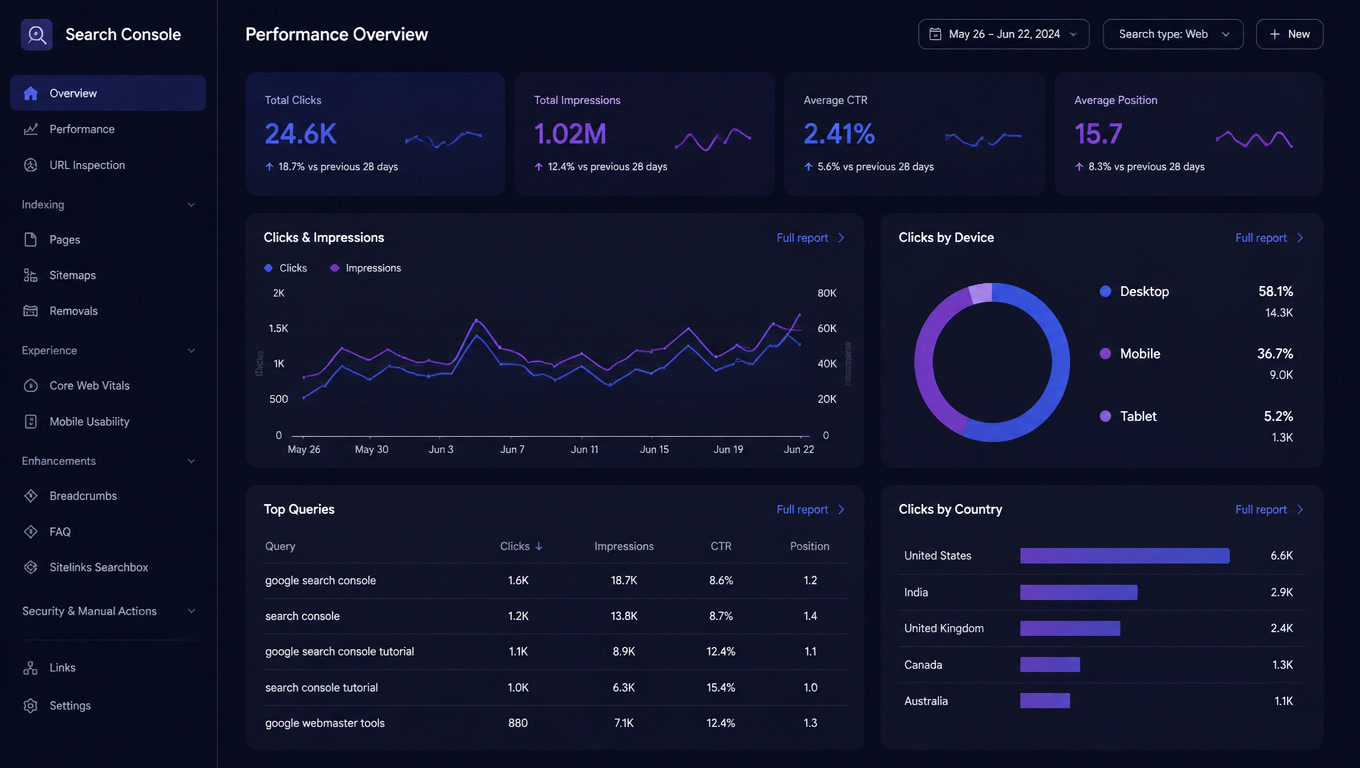
Here is the part that matters for your measurement: the redirect happens on the google.com domain, before the browser touches your site. The referrer your server receives is still google.com, same as with a plain click. GA4 classifies it as organic, same as always. Your Search Console isn't even in the room: Google counts the click on its own server, with or without goto.
So for most teams the change is invisible in the numbers. That doesn't mean there's nothing to do.
What actually breaks: scrapers and rank trackers
The hit is aimed at the machines that read results at scale. Google has been fighting SerpApi, the scraping company it sued and lost a recent motion against. It is also aimed at AI companies that scrape Google's results to train models or answer questions without sending users through Google.
Perkins explained the technical problem in the same thread: the destination cannot be decoded from the HTML. Each SERP has hundreds of links, and the only way to learn where each one points is to follow the redirect, one by one. That multiplies the cost and time of every scraping query. Rank trackers that parse HTML will return slower, more expensive data with more holes.
This is not an earthquake for your SEO. It is an earthquake for the rank tracking industry. The distinction matters, because when your positions dashboard starts glitching, the temptation will be to read it as a drop in your rankings. It isn't.
The three checks worth running this week
If Google adds more redirect layers later, or changes referrer policy, GA4 could start inflating direct at the expense of organic. That risk is documented: GA4's own docs list redirects as a known cause of stripped attribution signals. It isn't happening today, but this pattern went from test to full rollout in two months, so build your baseline now:
- Split organic vs direct in GA4 and save the last 28 days. If direct climbs and organic falls in the coming weeks without you changing anything, it's the redirect, not your content.
- Reconcile Search Console against GA4. GSC clicks are counted by Google on its own server and don't depend on the referrer. If GSC clicks hold while GA4 sessions drop, attribution is the culprit, not your SEO. This is the same pattern we laid out in our Google traffic collapse diagnosis.
- Ask your rank tracking provider what the change means for them. Anyone who answers with a technical plan is fine. Anyone who says "nothing to see" is not.
How Mintec measures, and why this change doesn't touch us
Here is the part a generic article can't give you: our measurement stack does not depend on scraping results. Positions and clicks come from Search Console. AI visibility comes from two sources: server-level referrers, which feed our weekly LLM traffic report, and fixed prompt panels across ChatGPT, Gemini, and Perplexity, the method we documented in our citation volatility guide.
This week that report logged 23 sessions from ChatGPT, Gemini, and Perplexity in seven days. None of that data passes through Google's SERPs. Goto doesn't touch it. When a client asks "does this Google thing affect us?", we open the report and answer with numbers instead of opinions.
That's the broader lesson. Measuring with primary sources (your Search Console, your referrers, your prompt panels) is Google-proof. Measuring with secondary sources (scraping someone else's results) leaves you at the mercy of every anti-abuse measure that ships.
The irony worth noticing
Google is building a wall against machines that scrape its results, while pushing its own AI Overviews and AI Mode, which also scrape the web of publishers. On the other side, AI companies want access to Google's results, and Google wants its AI to be cited by everyone else. It's a scraping war where everyone scrapes everyone and nobody wants to be scraped.
For your operation the conclusion is boring and useful: set your baseline this week, watch your rank tracker, and don't confuse a tool failure with a traffic failure. If you want to see what brand visibility looks like when Google tightens the screws, our analysis of AI Mode queries in Search Console is the natural next step.
Frequently Asked Questions
What is the google.com/goto link in search results?
It is a passthrough URL Google inserts in front of the real destination. The click goes to google.com/goto with an encoded target, and Google's server redirects to the actual page. Users land on the same page. What changes is that scrapers can no longer read the destination from the result HTML.
Does the goto redirect break Google Analytics attribution?
In practice, no. The redirect happens on the google.com domain before the browser reaches your site, so the referrer your analytics receives is still google.com and GA4 counts it as organic. The real risk is elsewhere: if your rank tracker can no longer read SERPs, its positions degrade even though your traffic did not change.
Will rank trackers stop working?
They get slower and more expensive, they don't die. The destination is encoded in the link, so tools have to follow hundreds of redirects per SERP instead of parsing the HTML. Expect laggier data with more gaps. Always cross-check against Search Console before declaring a ranking drop.