

Insights & Intelligence.
The manual for modern digital acceleration. Exploring the intersection of high-fidelity engineering and synthetic intelligence.
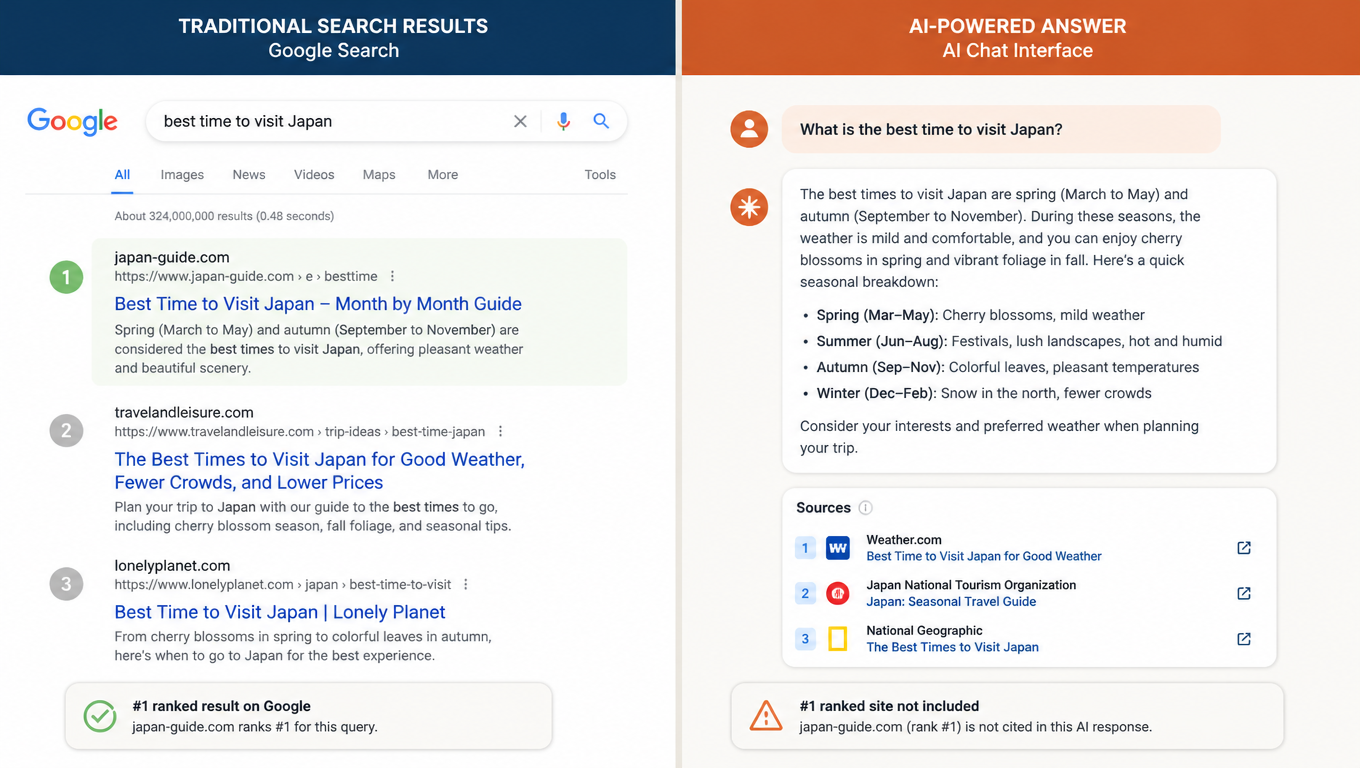
Ranking #1 on Google Does Not Mean AI Will Cite You. Here Is How to Actually Measure GEO.
Your SEO dashboard says you rank first. ChatGPT has never heard of you. Here is the measurement gap between traditional search and AI search, and a 4-layer framework to close it.
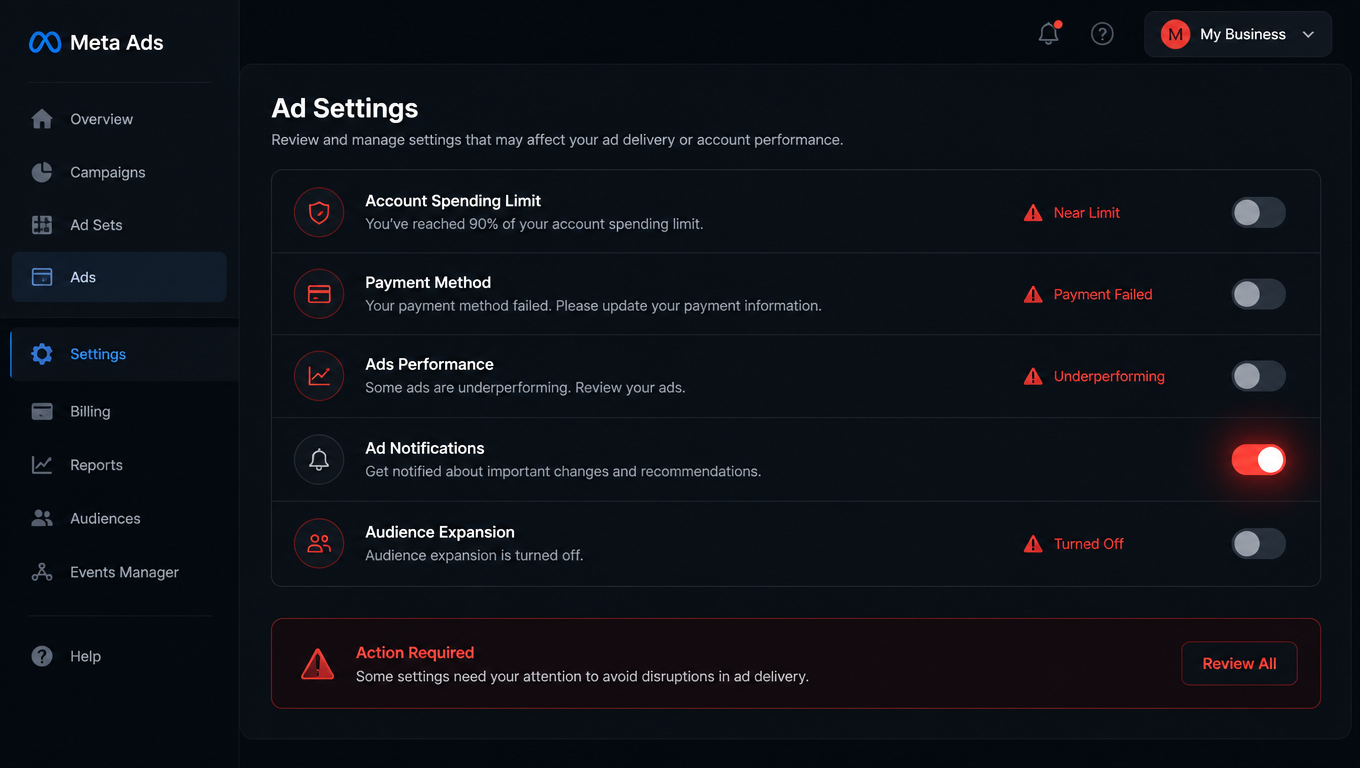
Four Meta Ads Default Settings That Are Silently Draining Your Budget
Meta's default settings are designed to spend your money, not save it. The 5% placement override, Advantage+ automation, AI ad rewrites, and removed targeting exclusions are eating 15–30% of ad budgets right now — and most advertisers have no idea. Here is the exact audit checklist we run on every client account at Mintec.
Your Google Business Profile just became your most important AI search asset
Google is turning local Knowledge Panels into AI Overviews. Your Google Business Profile no longer feeds an algorithm — it is the answer. What changed and what to do now.
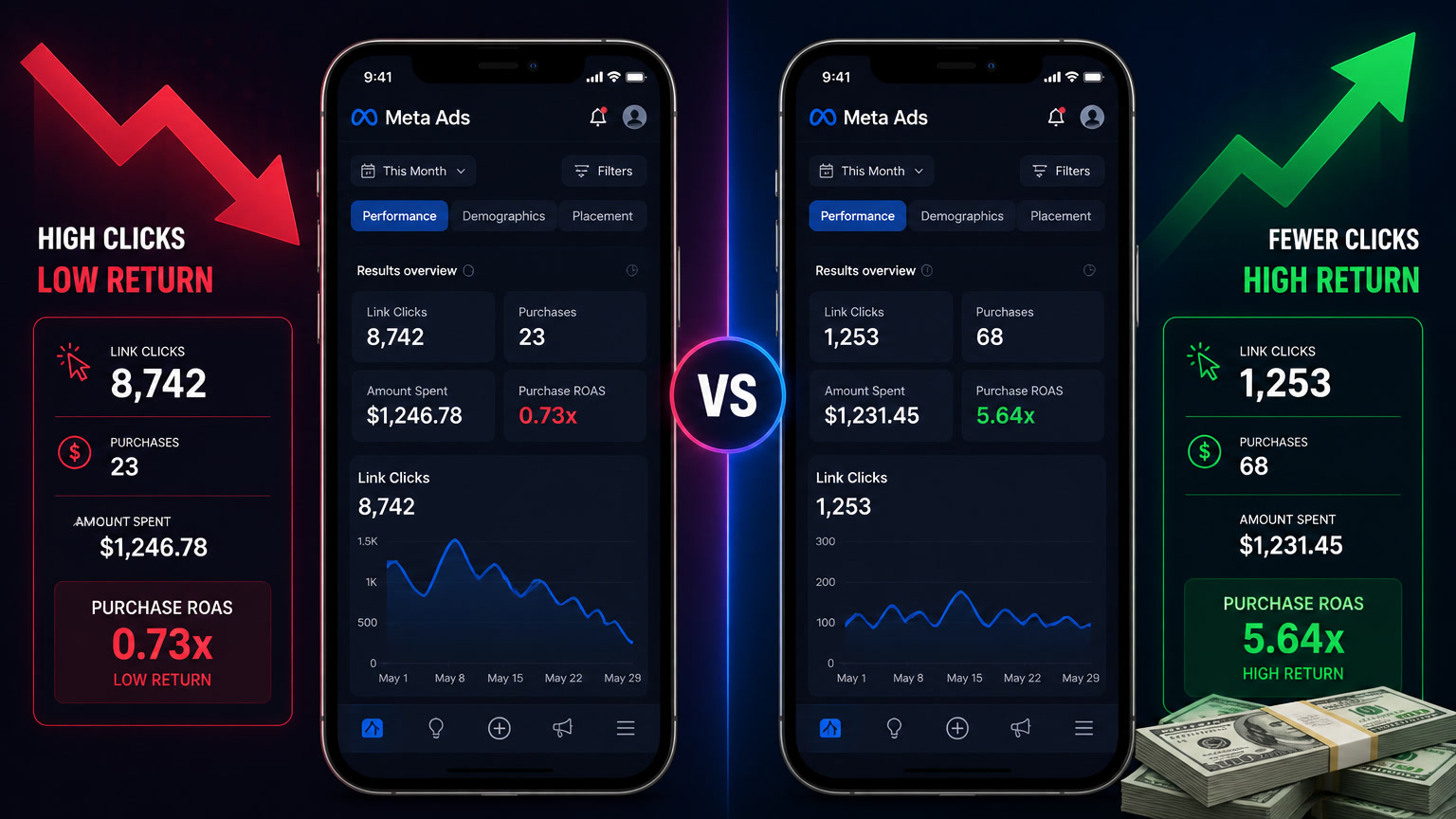
The Most-Clicked Meta Video Ads Generate Fewer Sales — What 88,000 Ads Reveal
An analysis of 88,329 Meta video ads shows categories with the highest CTR deliver the worst return on ad spend. Why optimizing for clicks is costing you money.
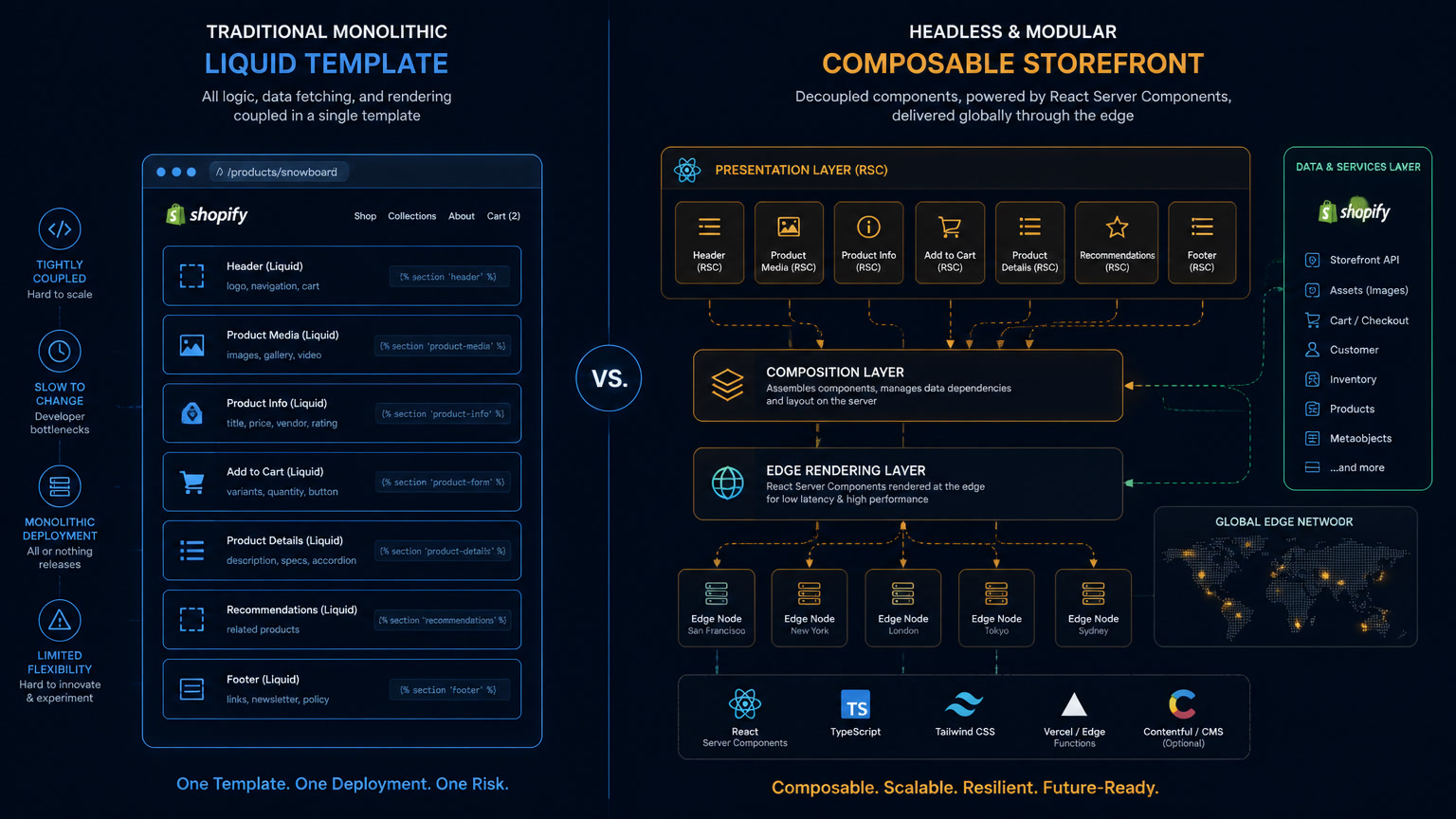
Shopify Hydrogen 3.0: The Composition Layer That Changes Headless Commerce Rules
On September 15, 2026, Shopify launched Hydrogen 3.0 with native React Server Components, 90+ edge nodes, and a Storefront Composition Layer that enables selective headless migration page by page. We analyze what this means for agencies and mid-market merchants.
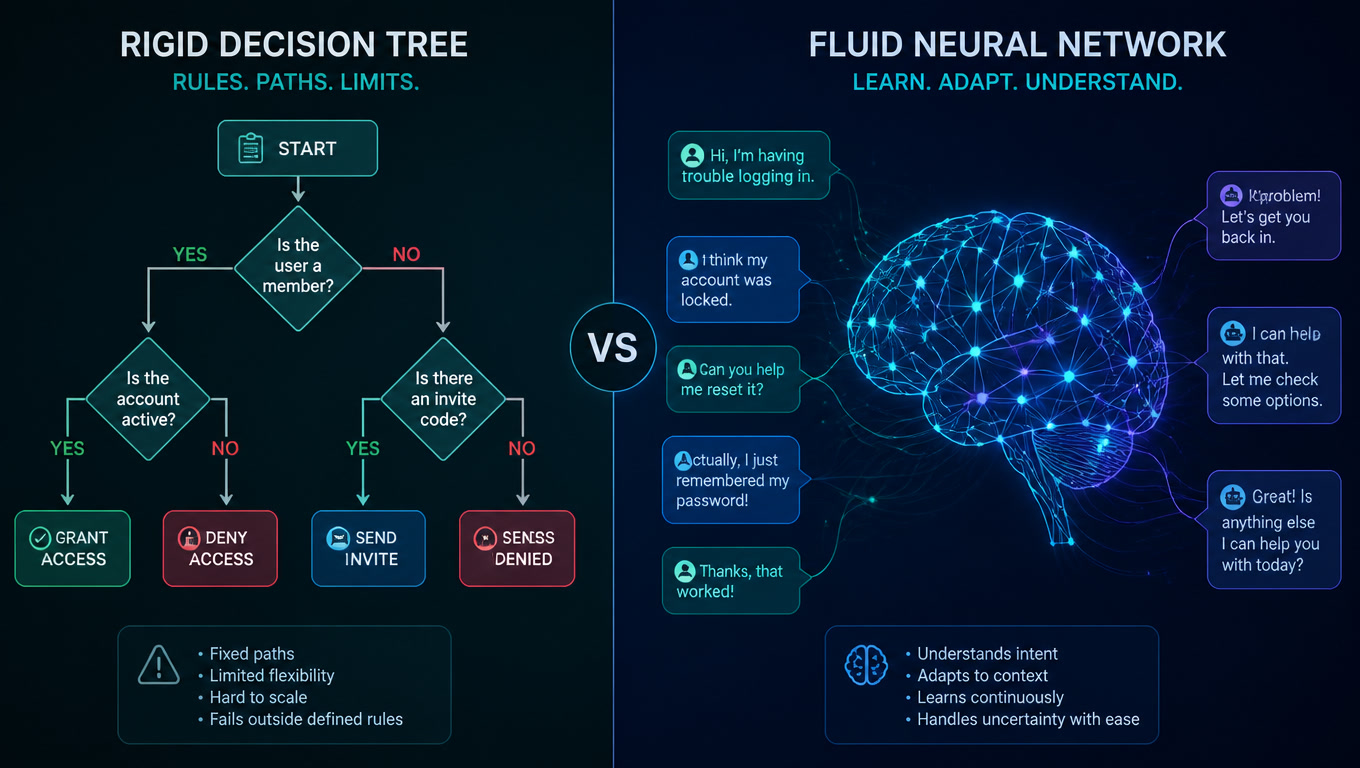
WhatsApp Business AI Agent vs Traditional Chatbot: Why the Gap Matters More Than You Think
Traditional WhatsApp chatbots handle menus. AI agents handle intent. We deployed both for LATAM clients and the difference in response quality, lead capture, and revenue was not subtle — it was a 3x improvement in qualified conversations. Here's the technical breakdown and decision framework.
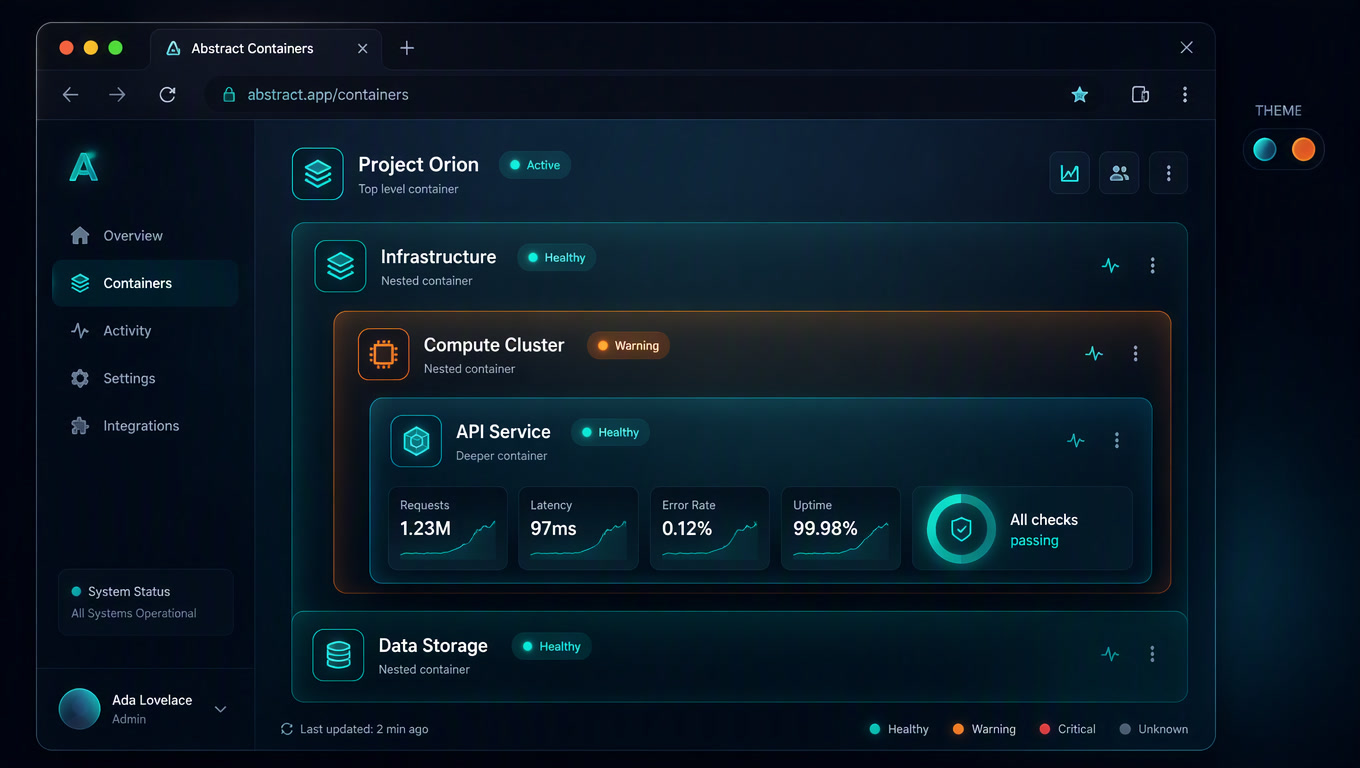
Container Style Queries and :open: CSS That Understands Size and State
Since May 2026, CSS components can adapt to their container's size AND visual state without JavaScript. Container style queries and the :open pseudo-class are both Baseline. Real-world analysis with production code, migration patterns, and the decision framework we use at Mintec.

The GEO paper says 40% more visibility. Here's what it actually measured.
The Princeton paper that defined GEO claims 40% more visibility. But the metric isn't traffic or clicks, and the paper has limitations the industry ignores. We break down what it measured, what it didn't, and what 2026 follow-up papers found.
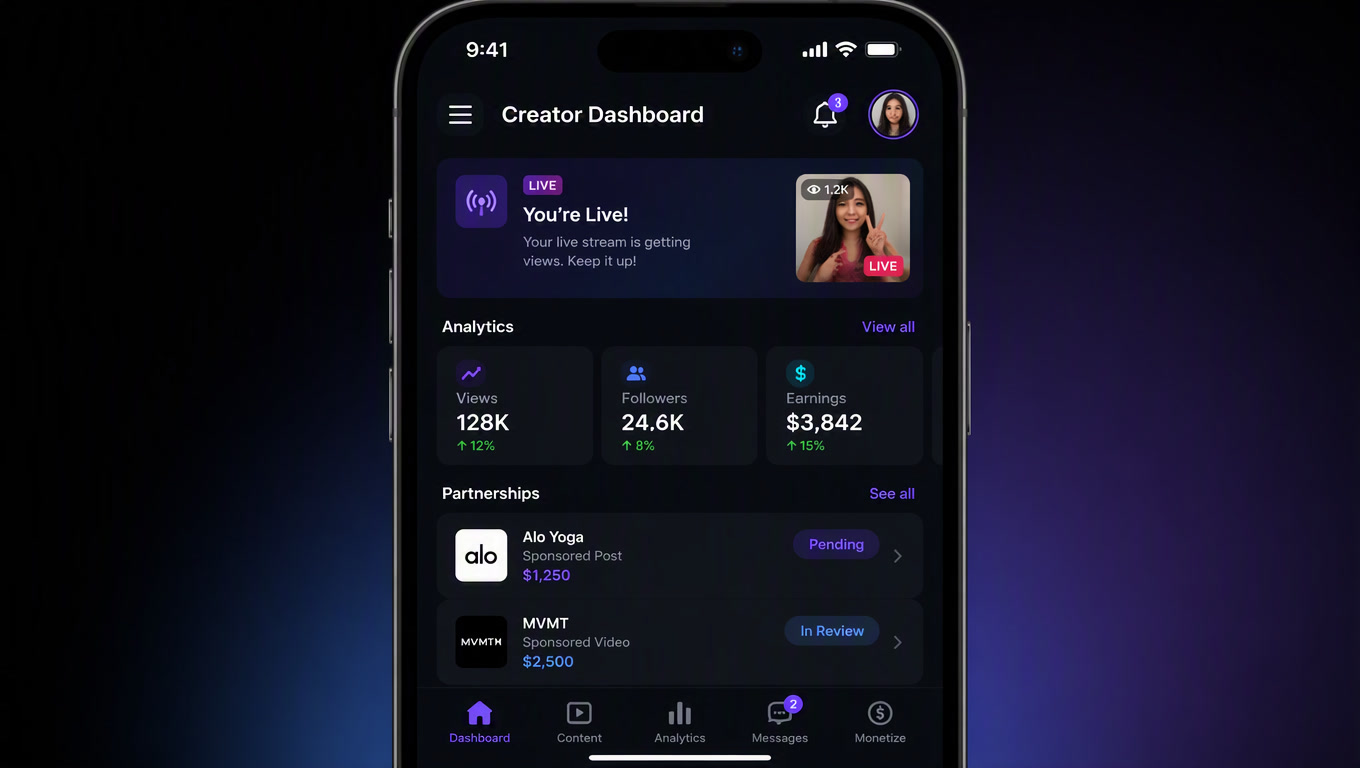
Meta's Creator Marketing Hub forces a decision: creator content, in-house, or AI-generated
Meta launched its Creator Marketing Hub and is expanding live video ads to Instagram. Here's the three-tier framework we use to decide when to deploy each content type.
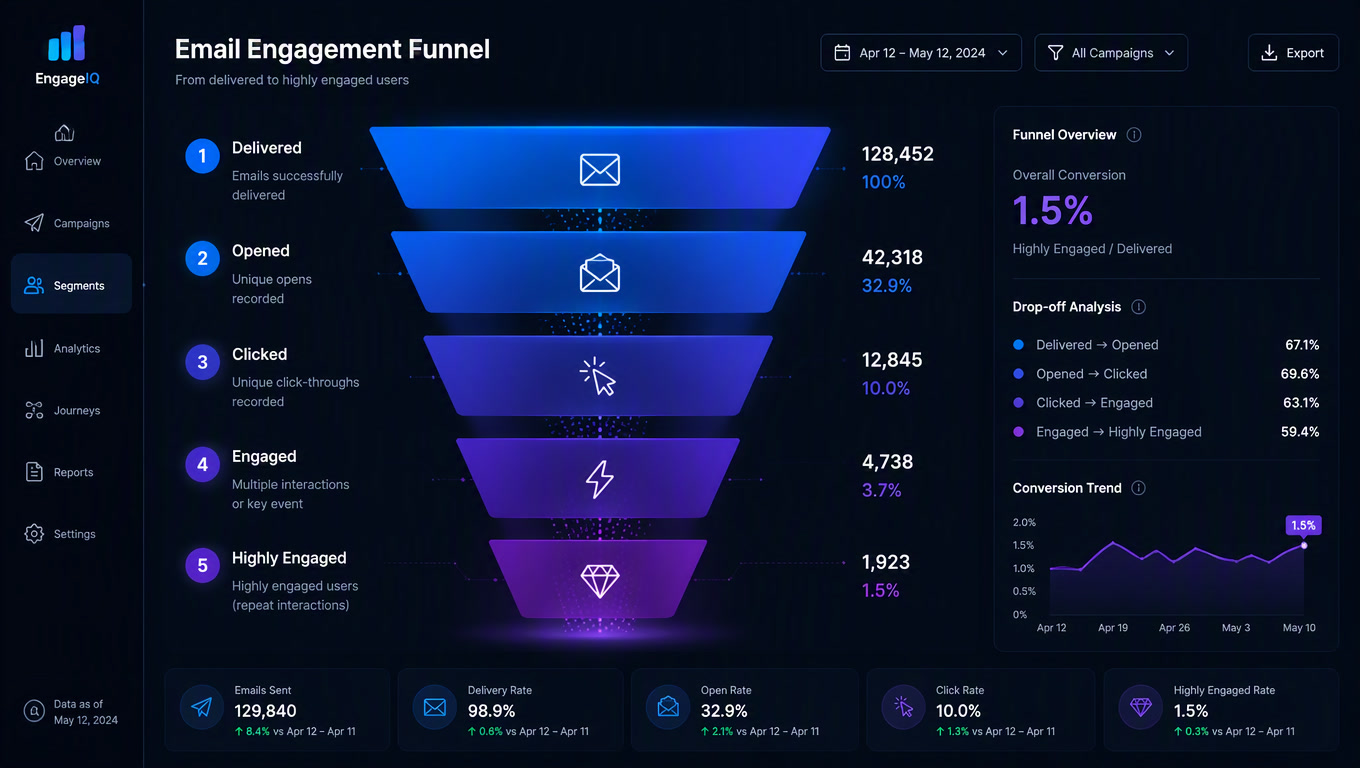
Behavioral email segmentation in B2B: the maturity curve most teams skip
Behavioral segmentation converts 4-6x better than batch sends. Here's the 5-level maturity curve and how to implement it without an enterprise budget.
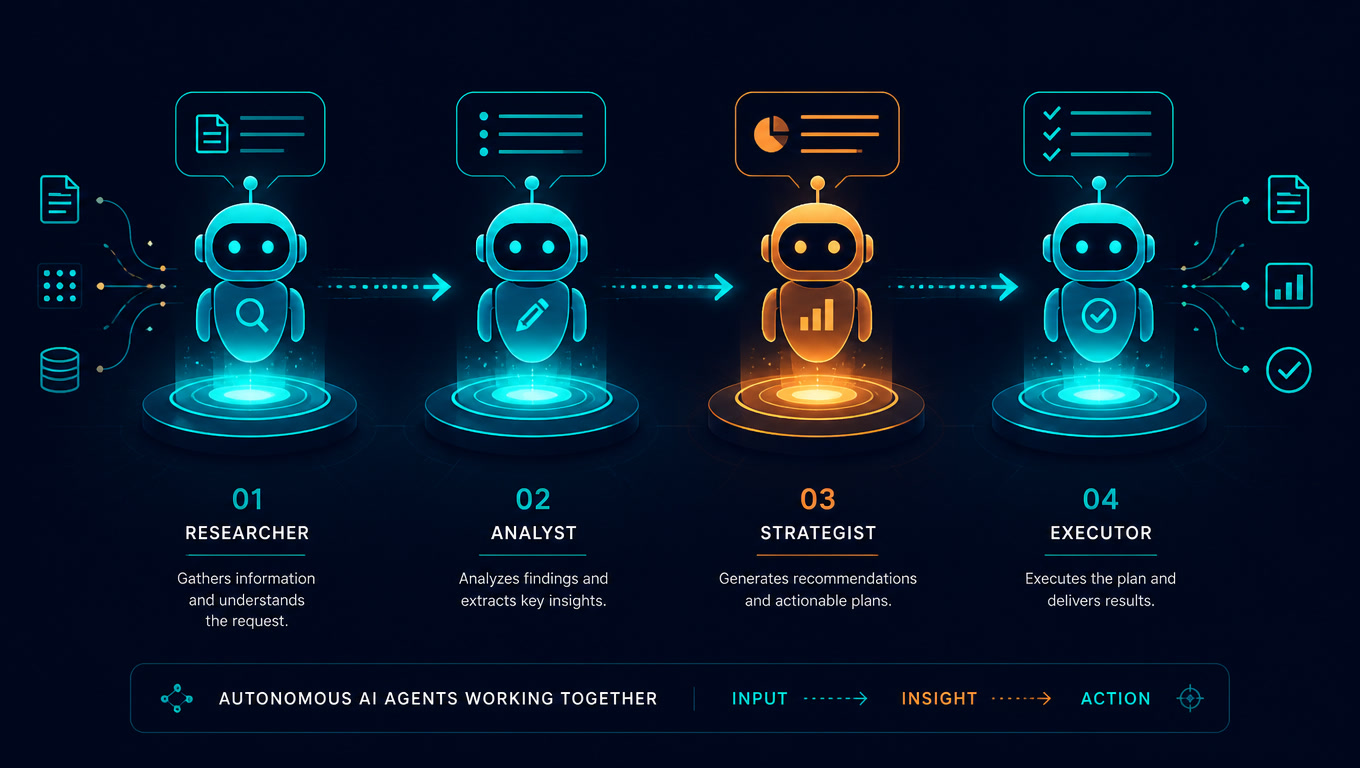
Astro Cut Its Open Issues From 200 to 20 With 4 AI Agents — And Cloudflare Just Open-Sourced It
Cloudflare released triagebot-action, the 4-agent AI pipeline that reduced Astro's open GitHub issues from 200+ to near-zero. How it works, what it means for framework maintenance, and why agencies should pay attention.
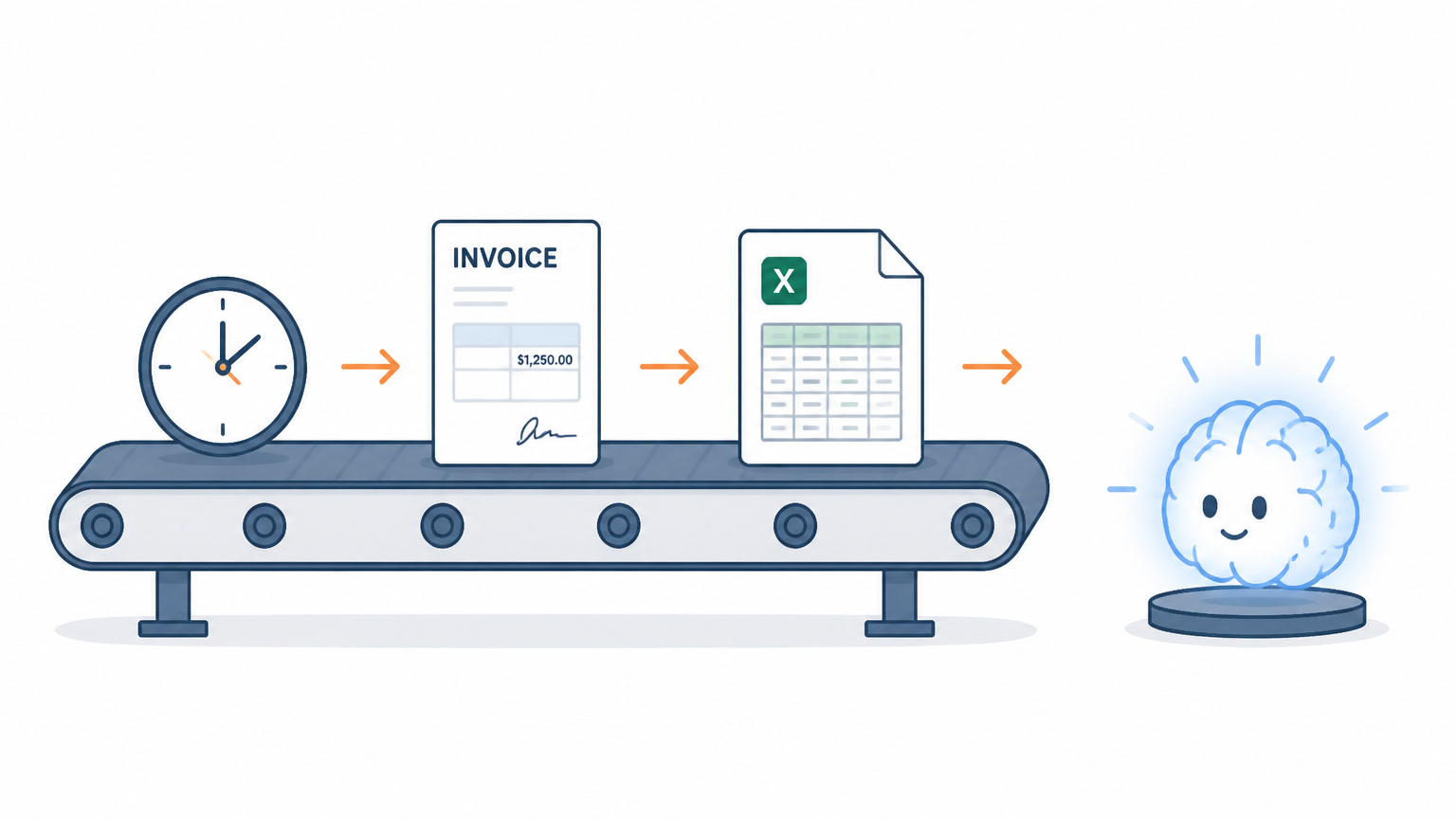
The Boring Automations That Save More Money Than Any AI Chatbot
The highest-ROI automation in your business isn't an AI chatbot — it's the appointment reminder nobody wants to configure. Real ROI data, the boring automation audit framework, and the 4 workflows you should automate before considering any AI tool.