Headless Drupal on Vercel: What the Acquia Alliance Changes — and What It Doesn't
Acquia and Vercel partnered on September 28, 2026 to run headless Drupal with live preview on Next.js, Nuxt, Astro and TanStack Start. What the deal actually removes, what it really costs, and how to choose between coupled Drupal, Canvas headless, a SaaS headless CMS, and git-based content.
Headless Drupal on Vercel: What the Acquia Alliance Changes — and What It Doesn't
The Acquia×Vercel alliance, announced on September 28, 2026, removes two real costs of going headless with Drupal: a duplicated content model and the loss of live visual editing. One Drupal instance can now serve both a coupled site and a Vercel-hosted front end (Next.js, Nuxt, Astro or TanStack Start) without repeating the content model. What it does not remove is the governance tradeoff — that remains an architecture decision you own — and the integration is only "free" if you already pay for an Acquia platform instance.
What shipped on September 28
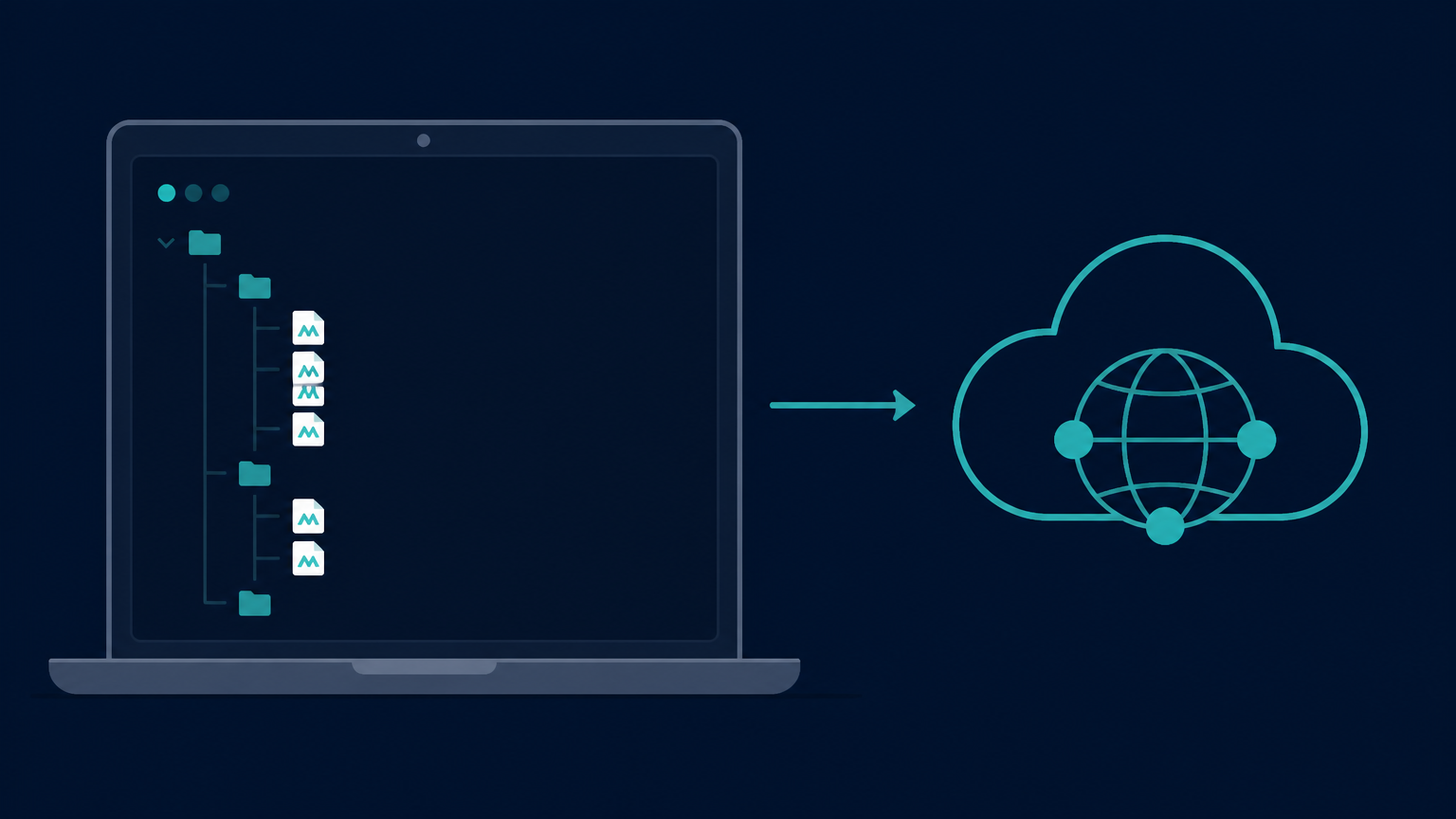
Acquia announced a technology alliance with Vercel: through Drupal Canvas, the community's open source project, joint customers can build and deploy headless Drupal experiences on Next.js, Nuxt, Astro or TanStack Start, hosted on Vercel. In the new architecture, Acquia Cloud Platform hosts and manages the Drupal backend while Vercel hosts the headless front end. Developers scaffold a working frontend with a single command, npx @drupal-canvas/create, connect it to Canvas for live preview, and deploy to Vercel.
Two details that most headlines skip:
- Drupal Canvas carries no separate license fee because it is an open source module (published on Drupal.org as
drupal/canvas, stable release 1.12.0 on September 25, 2026, compatible with Drupal ^11.3, reported in use on more than 13,600 sites). - The integration still requires an active Acquia Source CMS (SaaS) or Acquia Cloud Platform (PaaS) instance with Canvas enabled, plus a Node.js environment. The module is free; access to the deal is not.
Ryan Studer, Chief Product & Technology Officer at Acquia, framed the pitch himself: "Agencies running Drupal and JavaScript practices should not have to choose between governance and developer experience." That is a promise to erase a historical tradeoff, and it deserves a close reading.
The headless bargain Acquia says is over
For years, choosing a modern front end meant giving up specific things. Acquia's own blog calls it the headless bargain: you gained fast front ends and framework choice, and in exchange you gave up the visual editor, layout control, and real-time preview. Editors went from composing pages to filling in form fields blind and filing tickets for changes they used to make themselves.
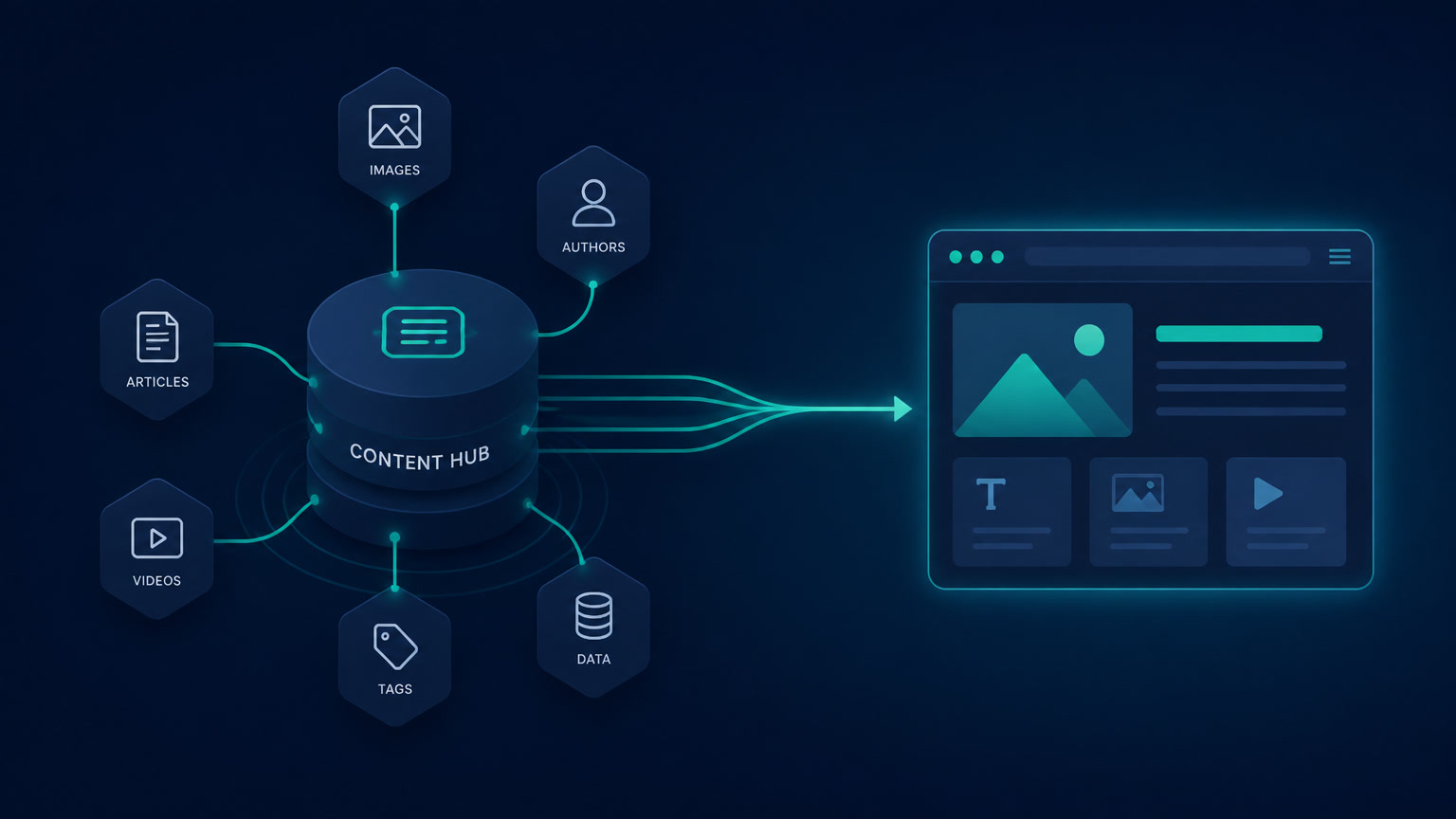
Drupal Canvas — shipped as the default editing experience in Drupal CMS 2.0 — promises to close that bargain without sacrificing the JS front end: editors compose in the browser over the same content model that feeds the decoupled front end, and one source of truth serves four consumers at once: the front end, editors in Canvas, internal AI agents, and the wider martech stack over MCP.
Our reading is more guarded. The tradeoff did not disappear; it moved. The 2020 bottleneck was the visual editor. The 2026 bottleneck is who gets to let an agent write and publish. Acquia solves the first half elegantly. The second half — scoped identity, dedup gates, schema validation with a visible diff, post-publish verification with rollback — is not something any vendor sells. We run it in production as the four-layer guardrail pipeline, and it is exactly the argument we made when Salesforce closed its Contentful acquisition on September 1.
Context matters: on September 14 Acquia relaunched as an "agentic content platform" with a "Powered by Drupal" logo, and a week later published the context and AI layer for Canvas. When Salesforce, Acquia, Storyblok and Wagtail all sell the same thing — governed content for agents — AI is no longer the differentiator. How that AI is governed is.
What actually changes — and what doesn't
1. The duplicated content model is gone. Before, running a coupled Drupal for governance alongside a separate front end meant duplicating or syncing the content model. Now one instance is the system of record for both.
2. Preview stops being the blind spot of headless. Editors see the real layout before publishing, on the same front end users will see, without waiting on a build.
3. The price is not the module license, it is the platform. "No license fee" is true and misleading at the same time: the real deal ties you to an active Acquia instance. If you are already on Acquia the upgrade is cheap; if you are not, you are buying a platform to redeem the coupon.
4. Governance still does not ship in the box. Drupal brings fine-grained permissions, revision history and workflows — its twenty-year advantage. But agent-assisted publishing is your architecture: the Canvas Tools module already exposes page-building operations over MCP, so your agents can build Canvas pages today. The question is not whether they can. It is who approves.
The four options on the table
| Option | Editorial experience | Front-end freedom | Governance for agents | Cost shape | Best fit |
|---|---|---|---|---|---|
| Coupled Drupal | Full visual editing inside the CMS | Limited to Drupal theming | Mature Drupal permissions, revisions, workflows | Hosting + maintenance; expensive front-end changes | Regulated sites, editorial team, few devs |
| Headless Drupal + Canvas on Vercel (new) | Live preview and composition in the same instance | Next.js, Nuxt, Astro, TanStack Start | Same Drupal permissions and revisions; agents over MCP | Paid Acquia instance + Vercel + Node | Enterprises with Drupal invested, wanting a JS front end |
| SaaS headless CMS (Contentful, Sanity, Storyblok) | Vendor editor; preview through its tooling | Any framework | Vendor permission model; agent APIs improving | Per seat or per entry + usage | Greenfield projects with no Drupal legacy |
| Git-based content (Astro + Markdoc, what we run) | Diff and PR review; no WYSIWYG for non-technical editors | Any framework (it is the front end) | You design the gates: schema, diff, human publish | ~$0 infrastructure; engineering time | Content sites with technical publishers |
How we decide at Mintec
Our own blog is published by agents: four daily crons propose, generate and publish bilingual articles on Astro and Cloudflare, with four guardrail layers between the agent and the publish transition. Content lives as Markdoc files in git — the same local-first pattern we explained a few weeks ago. We also migrated mintec.co off Next.js on Vercel onto Astro on Cloudflare Pages, and we have not paid for content infrastructure since.
That leaves us a clear position, and it is not neutral:
- If your site is content-driven, runs under a few hundred pages, and the people editing are technical, git keeps winning on cost and speed. An Acquia platform is overhead.
- If Drupal is already your system of record — permissions, revisions and workflows a content team uses daily — or your compliance demands real auditing, Canvas headless is the first headless option that does not force editors to work blind, and replatforming would cost far more than this upgrade.
- If you are starting from scratch without Drupal, this alliance will not appear in your evaluation: compare a SaaS headless CMS against git using the framework from when NOT to use a headless CMS that we published earlier.
The uncomfortable conclusion for Acquia's pitch: the alliance does not buy governance, it buys one layer less friction. It is genuinely good news for agencies with a Drupal practice — Studer is right, they stop choosing between governance and DX — but the contract of who may publish what is still written by you. We said the same about Webflow Source and we still believe it: the agentic-era CMS is judged by its brakes, not its accelerator.
Five questions before you choose
- Who publishes: humans, agents, or both? If AI is involved, what exactly blocks the publish transition? If you have no answer, no vendor will supply one.
- Is Drupal already your system of record? If permissions, revisions and workflows already live there, Canvas headless is the cheapest upgrade on the board. If it does not exist, you are buying an entire CMS for one feature.
- Do non-technical editors compose pages every week? If not, you do not need the visual editor this deal hands back.
- What does your audit require? Revision history, approval states and field-level permissions are where Drupal is still hard to match.
- What is the real three-year cost shape? An Acquia instance plus Vercel, against seats of a SaaS CMS, against engineering time maintaining git. The module is free in all three scenarios; nothing else is.
The tradeoff didn't disappear: it moved
The Acquia×Vercel alliance is the most serious offer an enterprise CMS has made to get the visual editor back without giving up the modern front end, and for an agency with a Drupal practice the math is straightforward: you keep permissions, revisions and workflows, you gain framework freedom, and you stop duplicating the content model. Welcome.
But read the press release with the calm of someone signing a contract: the module is free, the instance is not; the preview is solved, the governance is not. Once your CMS can build pages over MCP — agents already can, with Canvas Tools — the only thing separating a correct publish from a disaster is the approval architecture you build between the agent and the publish button. No press release announces that, and it is the only thing that matters once half the internet writes your content.
Frequently Asked Questions
What is Drupal Canvas?
Drupal Canvas is an open source module from the Drupal community (formerly Experience Builder) that lets site builders compose pages visually in the browser while serving a coupled site and a headless front end from a single Drupal instance. It relies on Drupal's fine-grained permissions and revision history, and stable version 1.12.0 shipped on September 25, 2026.
Does the Drupal + Vercel integration cost extra?
There is no separate license fee for the integration because Drupal Canvas is open source, but connecting it to Vercel requires an active Acquia Source CMS (SaaS) or Acquia Cloud Platform (PaaS) instance with Canvas enabled and a Node.js environment. The real cost of the deal is the Acquia platform, not the module.
Can I use Drupal Canvas with Astro?
Yes. You scaffold the front end with npx @drupal-canvas/create, connect it to Canvas for live preview, and deploy to Vercel; components sync with npx canvas push. Next.js, Nuxt, Astro and TanStack Start are all supported under the alliance announced on September 28, 2026.
When should you pick headless Drupal over a SaaS headless CMS?
When Drupal is already your system of record, with the permissions, workflows and revision history a content team uses daily, or when compliance demands granular audit trails. If you are starting from scratch without a Drupal legacy and your editors are few or technical, a SaaS CMS or git-based content is usually cheaper and faster.