

Insights & Intelligence.
The manual for modern digital acceleration. Exploring the intersection of high-fidelity engineering and synthetic intelligence.

One LLM or an army of agents? The call that sets your bill and your failure rate
A single agent hit 28 of 28; the swarm failed 68%. Anthropic still measured +90% from multi-agent. Here is how to pick the topology with data instead of hype.
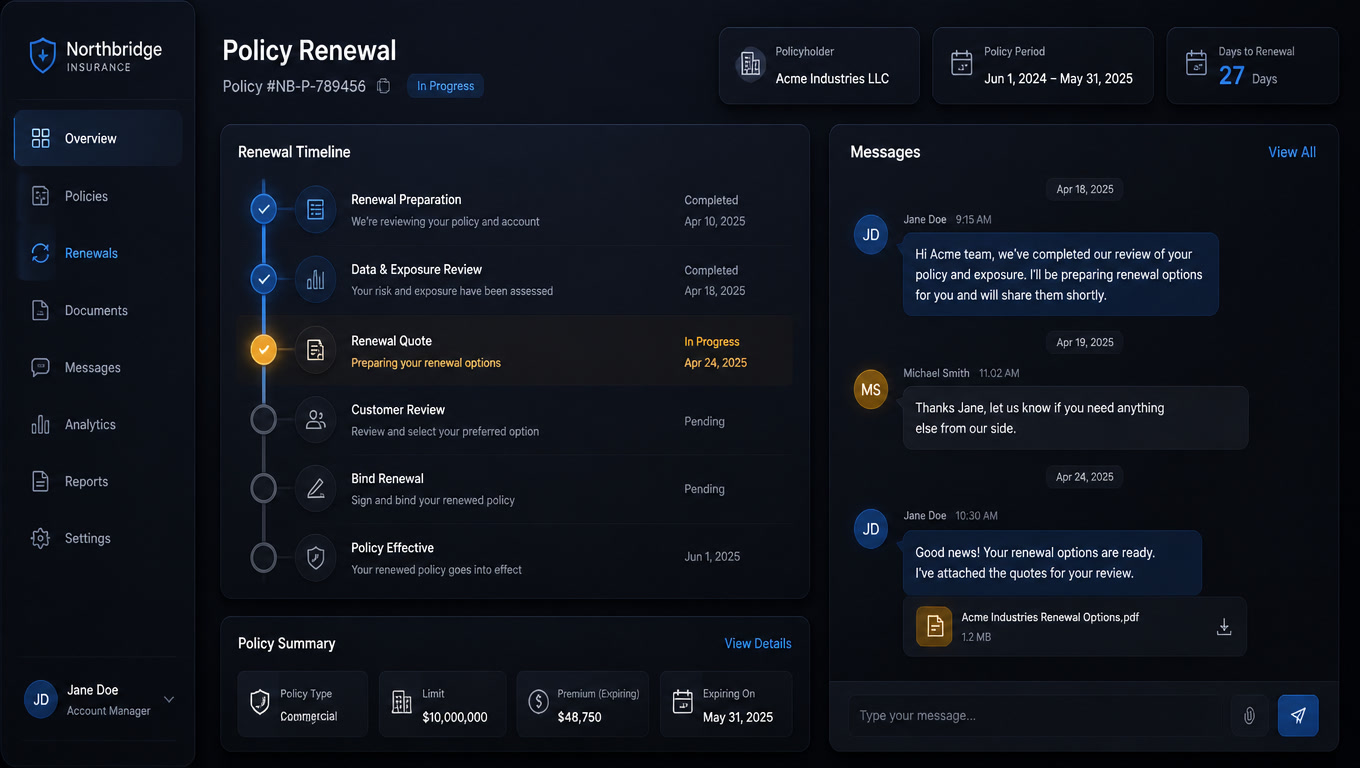
Insurance Agency Automation: What to Automate First (and What to Leave to a Human)
The 4-stage quote-to-renewal pipeline, the WhatsApp message budget after October 1 pricing, and the three things you should never automate in insurance.

Google Started Paying Publishers for AI Answers. Citations Are Explicitly Not What Pays.
Google's AI contribution pilot pays about 100 publishers for content in AI Overviews, AI Mode and Gemini. The help text says something most of the GEO industry is skipping: content that only confirms facts or gets linked after the answer is generated does not qualify. What the pilot actually pays, and what it changes for your content.

Meta Can Now Show an AI-Generated Page Instead of Yours. Here Is What It Does to Your Data.
Meta is testing a Landing Page Experience Enhancement that uses AI to build a visual landing page from your website and may show it to people who tap your ad instead of your site. It sits behind the 'test new AI generation features' switch in Advertising Settings, Meta caps those tests at fewer than 5% of ad impressions, and as of October 2026 there is no public documentation on whether your pixel, GA4 or forms ever fire on it.

Live avatar or produced video? The 2-to-7 minute break-even that decides
Between September 23 and October 1, 2026 four real-time avatars shipped: Meta Muse Realtime Avatar, Gemini 3.8 Live with Live Avatar, Tavus Griffin and Synthesia Sessions. Choosing between a live avatar and a produced AI video is arithmetic, not aesthetics — the break-even lands between 2 and 7 total minutes of viewing.
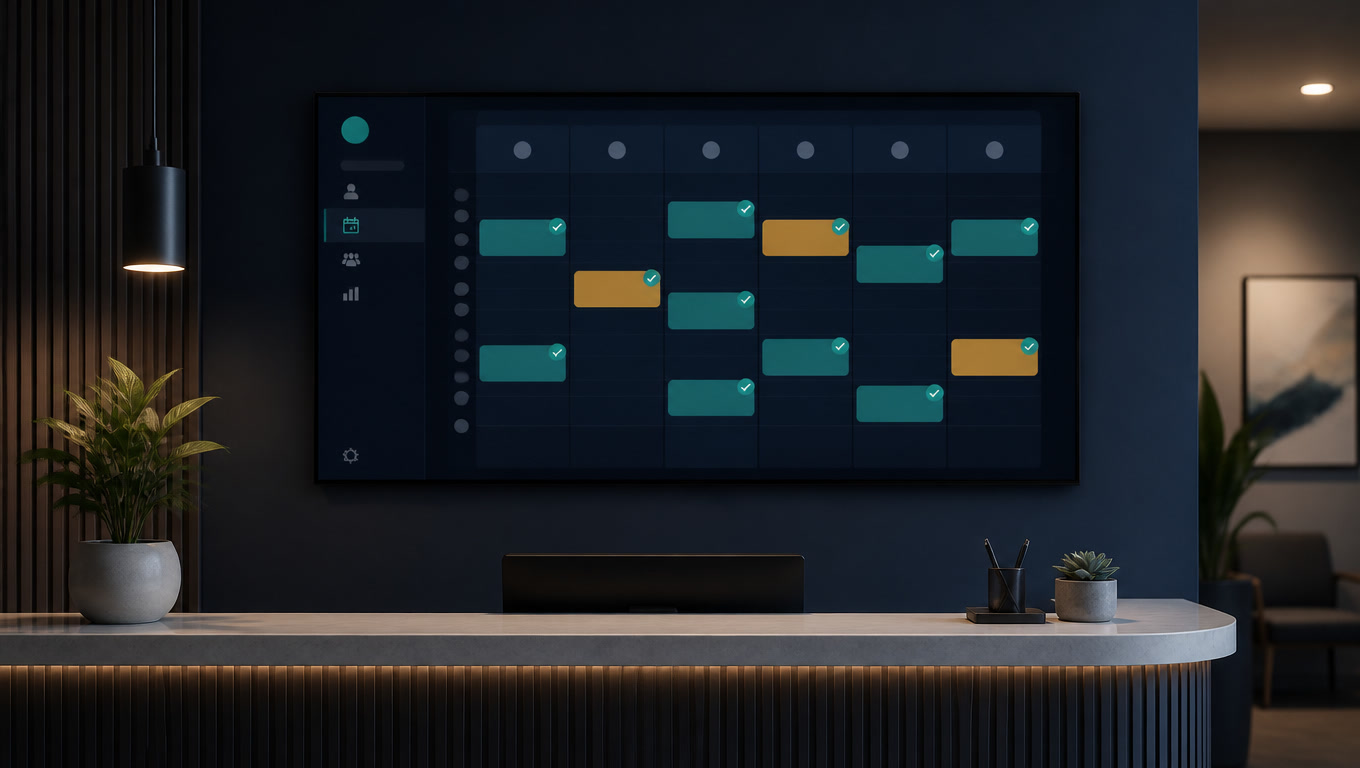
Clinic Automation: How to Cut No-Shows Without Spamming Patients
The evidence says one reminder placed close to the appointment beats a three-message cadence. A 5-stage pipeline, the real cost of every no-show, and the consent health data actually requires.

Cloudflare's Own Docs Now Open With "Are You Sure You Want to Use Pages?" — What the Move to Workers Means for an Astro Site Like Ours
Cloudflare has not deprecated Pages, but its documentation now opens by telling you to start on Workers instead, and the official Pages-to-Workers migration guide was updated on September 22, 2026. Here is what actually changes for a static Astro site, the four-line paragraph that decides whether your middleware still runs, and the framework we used to decide whether to move mintec.co.

Google now calls manual fact-checking of AI content 'critical.' What changed.
On October 1, 2026 Google added a line to its generative AI content guidance: it is critical to manually factcheck and review all AI-generated content before publishing, metadata included. What the page actually says, what did not change, and what the review looks like in a pipeline that publishes daily.

Instagram Ads Can Now DM Your Commenters Automatically. The First Message Is the Landing Page.
Reply to Keywords is a limited Instagram ad test first spotted on August 25, 2026: you set up to five keywords, Meta sends one automatic private message to anyone who comments one of them, and the conversion path starts without a click. Here is what is actually shipping, the four decisions we make before turning it on, and the measurement gap that catches most teams.
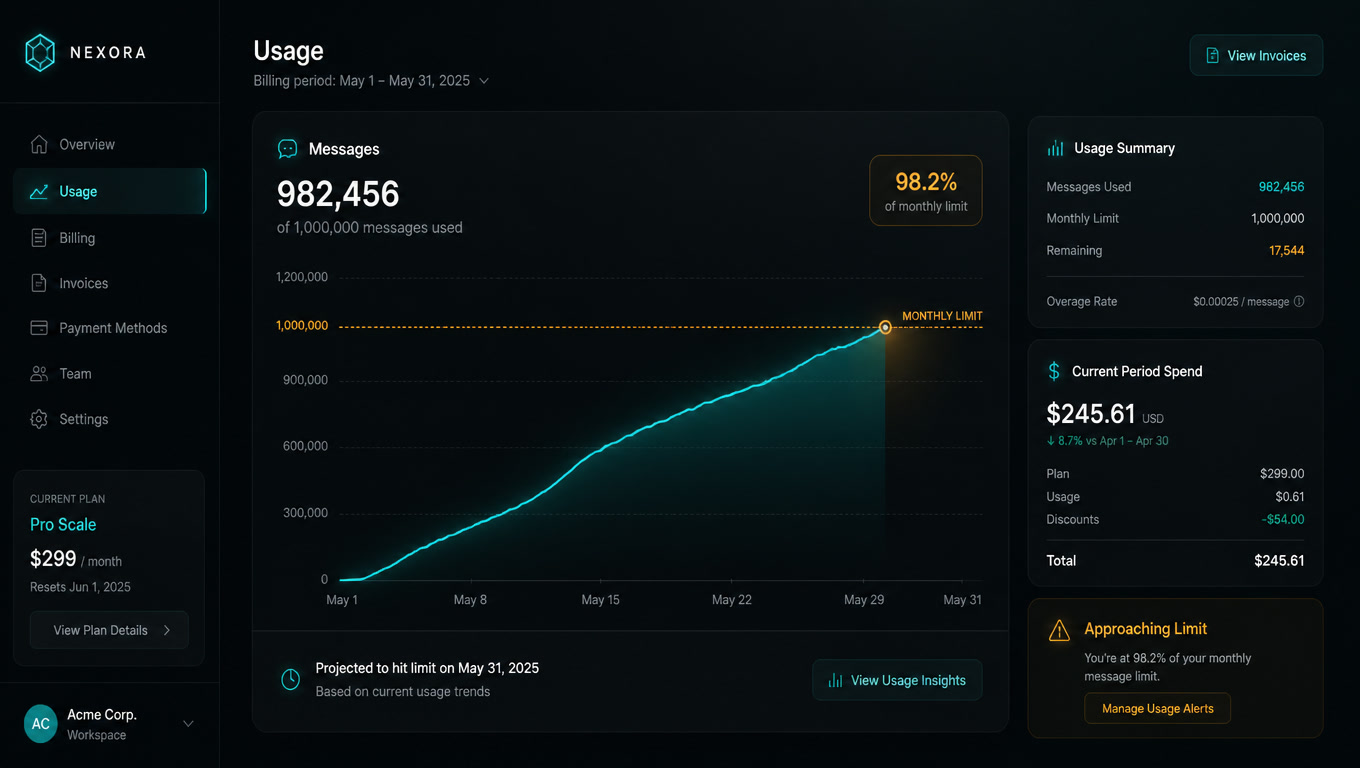
What Does a WhatsApp Reply Cost After October 1? Your First Invoice, With the 1,000 Free Messages per Number
Since October 1, WhatsApp charges for every service reply past 1,000 free messages per number each month. What your first bill actually looks like — and what to fix.
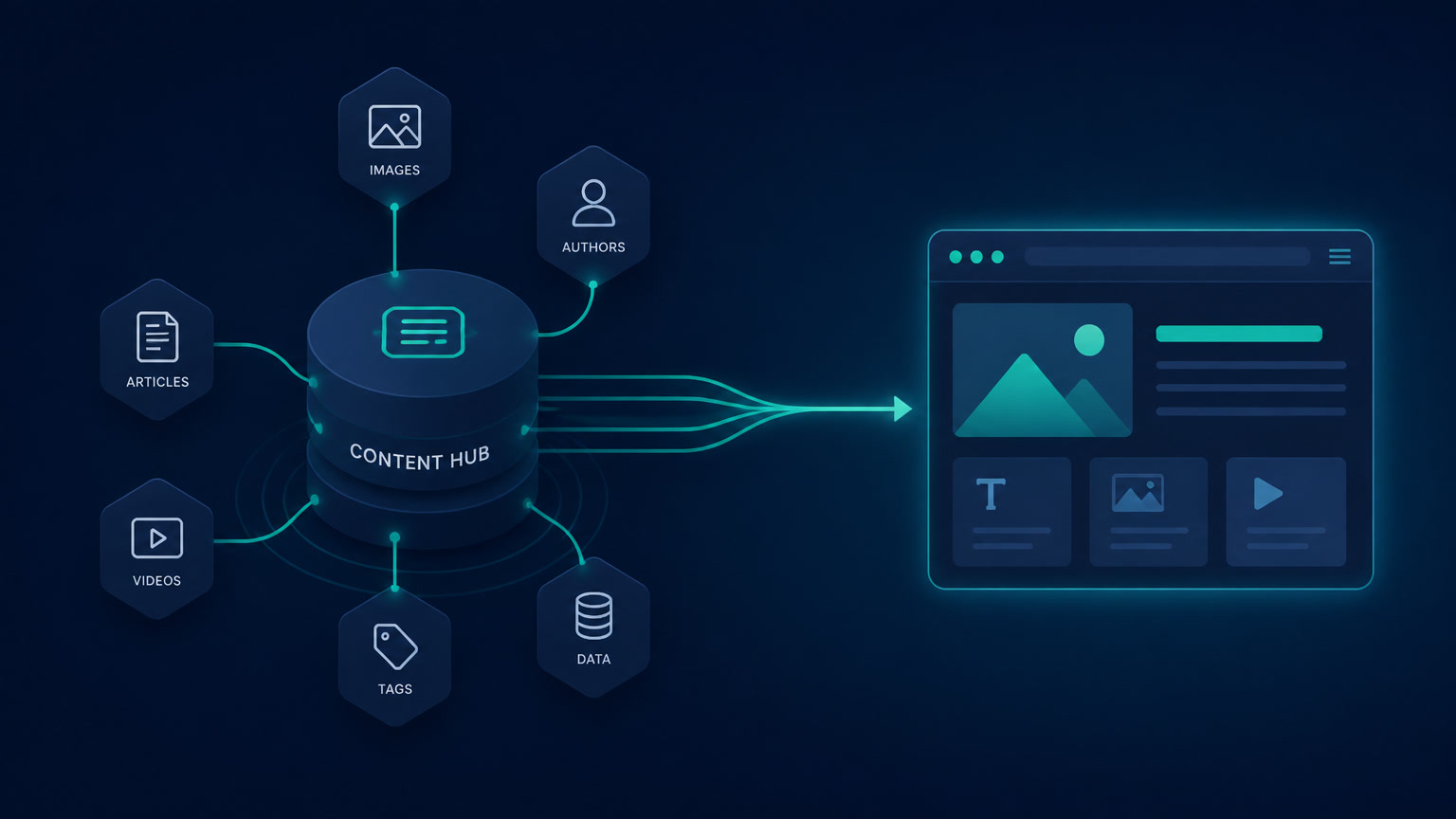
Headless Drupal on Vercel: What the Acquia Alliance Changes — and What It Doesn't
Acquia and Vercel partnered on September 28, 2026 to run headless Drupal with live preview on Next.js, Nuxt, Astro and TanStack Start. What the deal actually removes, what it really costs, and how to choose between coupled Drupal, Canvas headless, a SaaS headless CMS, and git-based content.

LinkedIn Is Turning Creators Into Ad Inventory. The Permission Is the Hard Part.
LinkedIn's Creator Discovery beta adds content type, creator industry, job function, audience demographic and Top Voices filters to Creator Marketplace, so brands can source and vet creators inside Campaign Manager and request permission to run their posts as Thought Leader Ads. General availability is expected in early 2027 — and every approval can be revoked mid-flight, which changes how we plan the buy.