

Insights & Intelligence.
The manual for modern digital acceleration. Exploring the intersection of high-fidelity engineering and synthetic intelligence.

Your AI visibility score doesn't predict whether you get cited
Two September 2026 papers measured it: the recommended GEO tactics moved citations on zero of ten engines, and an engine-free score predicts almost nothing.
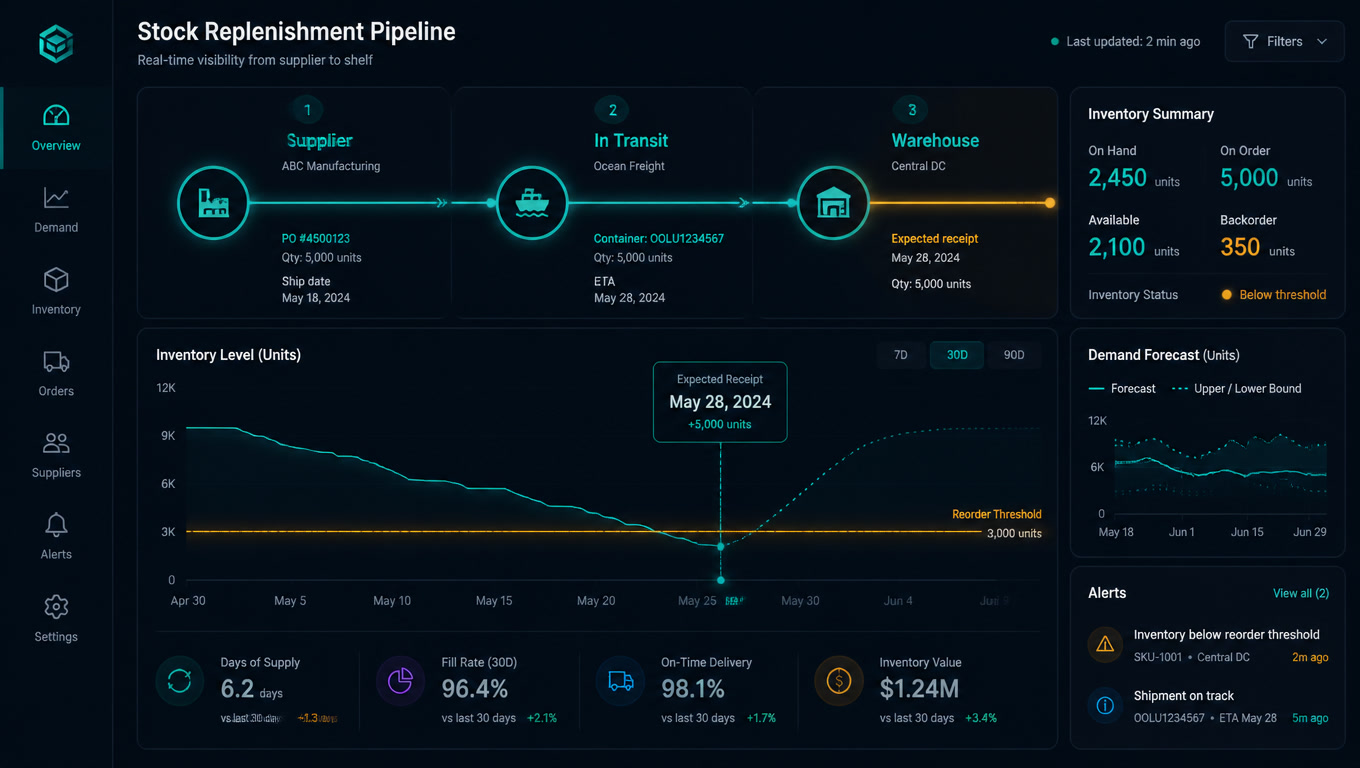
From Spreadsheet to Purchase Order: How to Automate Inventory Replenishment
84.8% of businesses still track stock in spreadsheets and only 36% use reorder points. Here is how to automate replenishment with n8n, rules and WhatsApp approval.

Is Meta Sending Bot Traffic to Your Ads? Four Checks That Separate Bots From Bad Targeting
About 8.5% of paid media traffic isn't human and independent measurement puts Meta above 8% — but 'my account is full of bots' is almost never the whole story. Here is the four-check diagnostic we run on every Meta account: click-to-session divergence, placement split, lead-quality funnel, and platform-to-CRM reconciliation, plus what each pattern actually means.
Can an AI agent test your site in Safari now? What the Safari MCP server actually fixes
Safari 27 ships a first-party MCP server built on safaridriver, with 17 tools that let a coding agent screenshot, inspect and interact with a real WebKit page. Here is what that fixes for cross-browser QA, what it still cannot cover, and the testing-layer map we use before release.
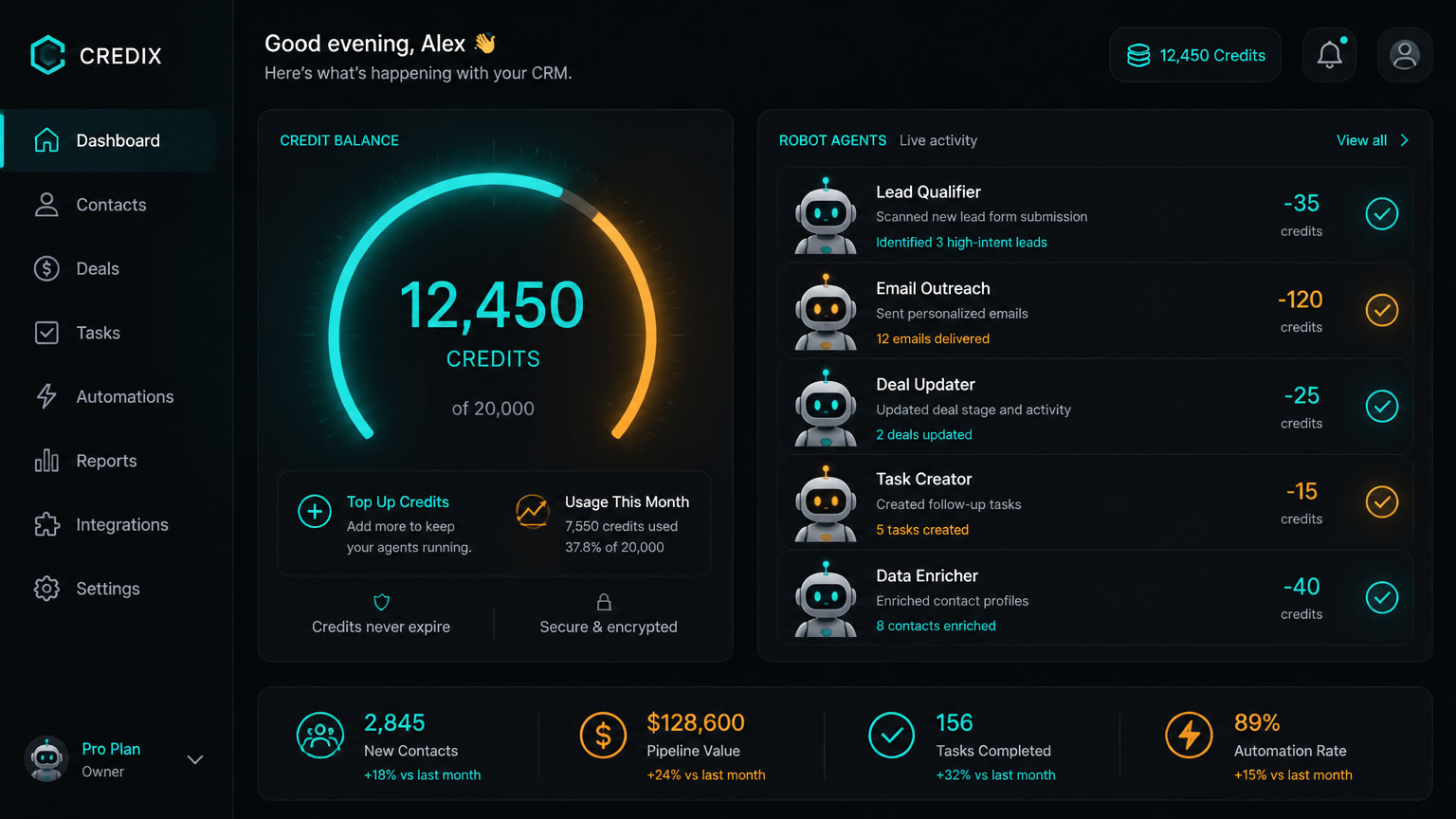
How Much Does an AI Agent Cost in Your CRM? The Real Math Behind HubSpot and Salesforce Credits
HubSpot charges $0.50 per resolved conversation and $10 per generated asset; Salesforce charges $2 per conversation. How to calculate your monthly bill before turning agents on.

EN 301 549 v4.1.1 Moved European Accessibility to WCAG 2.2: What to Ship Now vs. What the Law Says Today
EN 301 549 v4.1.1 was published on September 2, 2026 and moves Europe's technical accessibility benchmark from WCAG 2.1 AA to WCAG 2.2 AA — but it is not the legal reference yet. What actually changed, which requirements bind you today, and how to split the engineering roadmap from the legal yardstick.

Pinterest Visual Search Ads: What the New Placement Actually Changes
Pinterest Visual Search Ads let advertisers bid for the top response in Search Results and Pin closeups, turning visual comparison into a lower-funnel placement. The beta opens across all Pinterest ad markets in the coming weeks, with no published pricing or eligibility rules yet. Here is how the format works, what Pinterest's numbers do and do not prove, and the framework we use to decide whether a new placement earns budget.

Search Console gives every AI Overview link the same position. That is not a rank.
Every AI Overview link reports the block's position, AI Mode counting is undocumented, and your impressions have logging bugs in it. How to report GEO anyway.

Real Estate Automation: From Portal Lead to Booked Showing on WhatsApp
How to automate real estate lead follow-up in LatAm: a portal-to-showing pipeline on WhatsApp, synced inventory and advisor handoff. Stack and costs.
Chrome 154 Takes Over Iframe Sizing and Carousel Semantics — Here's Where to Adopt It
Chrome 154, stable on September 22, 2026, adds frame-sizing so an iframe can match the height of the document inside it without a postMessage shim, plus links and tabs modes that give CSS scroll markers real WAI-ARIA roles. Both are Chromium-only today, and Google warns responsive iframe sizing can shift content and hurt Core Web Vitals.

Threads Ads No Longer Need Instagram. The Permission Change Is the Bigger Deal.
Starting September 2026, Threads ads no longer require matching usernames with Instagram, and businesses without an Instagram profile can advertise directly from their Threads profile. Meta also moved Threads permissions to task-based access inside your business portfolio. Who can advertise, what identity the ad carries and who can manage it all change — the auction does not.
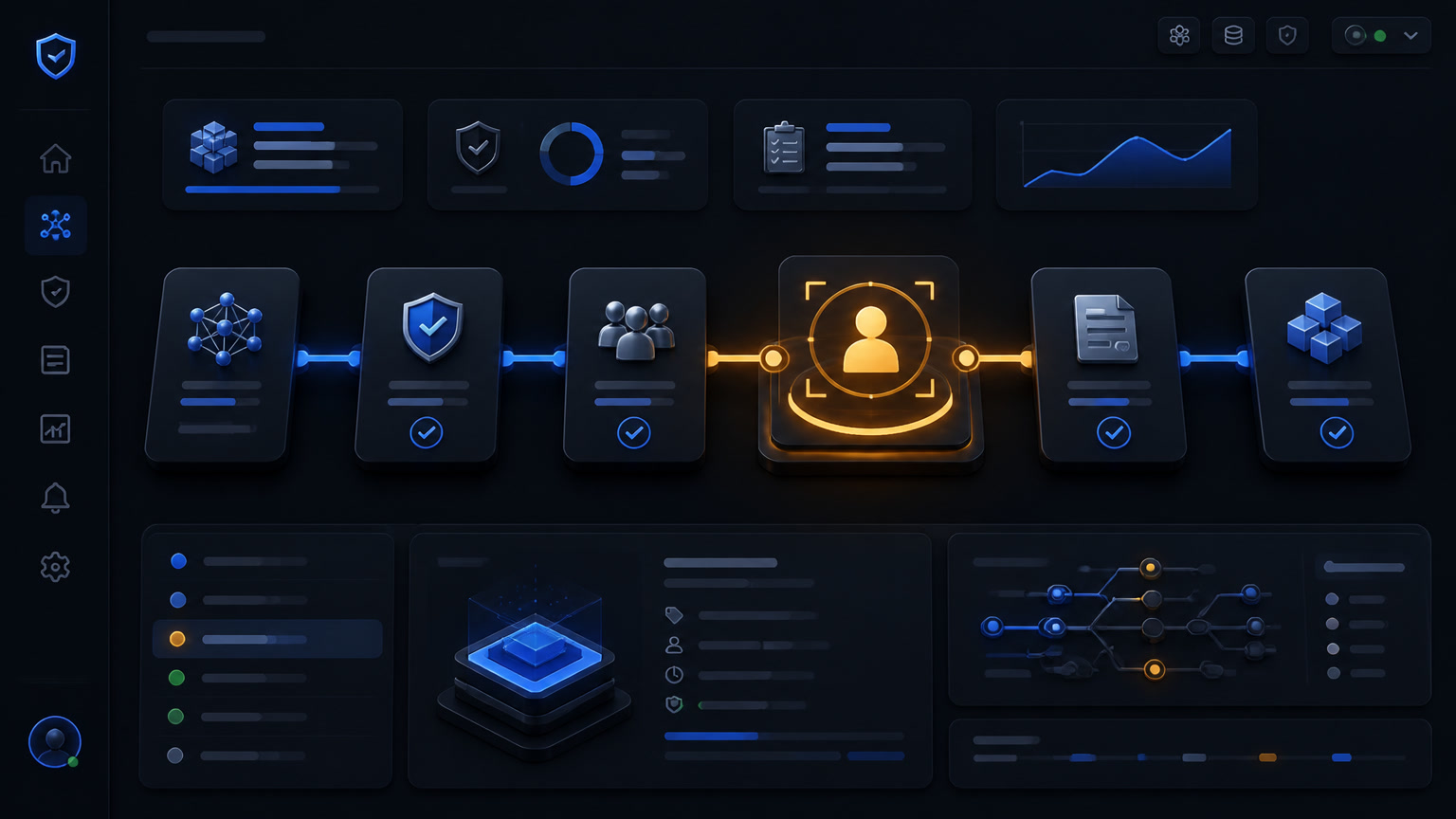
How to Automate Change Approvals with AI Without Giving Up Control
Use AI to gather evidence, compare precedents, and prepare change approvals while rules and named humans keep final authority over risky changes.