

Astro 7 Is Here: Vite 8, Rust Compiler, and What the Upgrade Means for Content-Heavy Sites
Astro 7 makes content-heavy builds 15–61% faster. See how Vite 8, Rolldown, Rust, and Sätteri affect performance—and whether your site should upgrade.
Astro 7.0 dropped on June 22, 2026, and it's the most consequential update since Cloudflare acquired the framework in January. Vite 8 with the Rolldown bundler in Rust, a full .astro compiler rewrite in Rust, a native Markdown pipeline called Sätteri, advanced routing via src/fetch.ts, and stable route caching with CDN providers — the changes run deep, and for content-heavy sites, they're transformative.
At Mintec, we've built and operated multiple Astro 6 production sites over the past months — multilingual editorial portals, e-commerce catalogs, and media-heavy brand sites (see our real Astro vs Next.js benchmarks and lessons from 3 production Astro sites). This update touches the parts of the framework that matter most to us: build speed, production performance, and architectural flexibility.
This isn't a generic release summary. It's an analysis grounded in real project experience, with a decision framework to help you figure out whether to upgrade today, wait, or skip this version entirely.
Builds 15-61% Faster: Where the Gains Come From
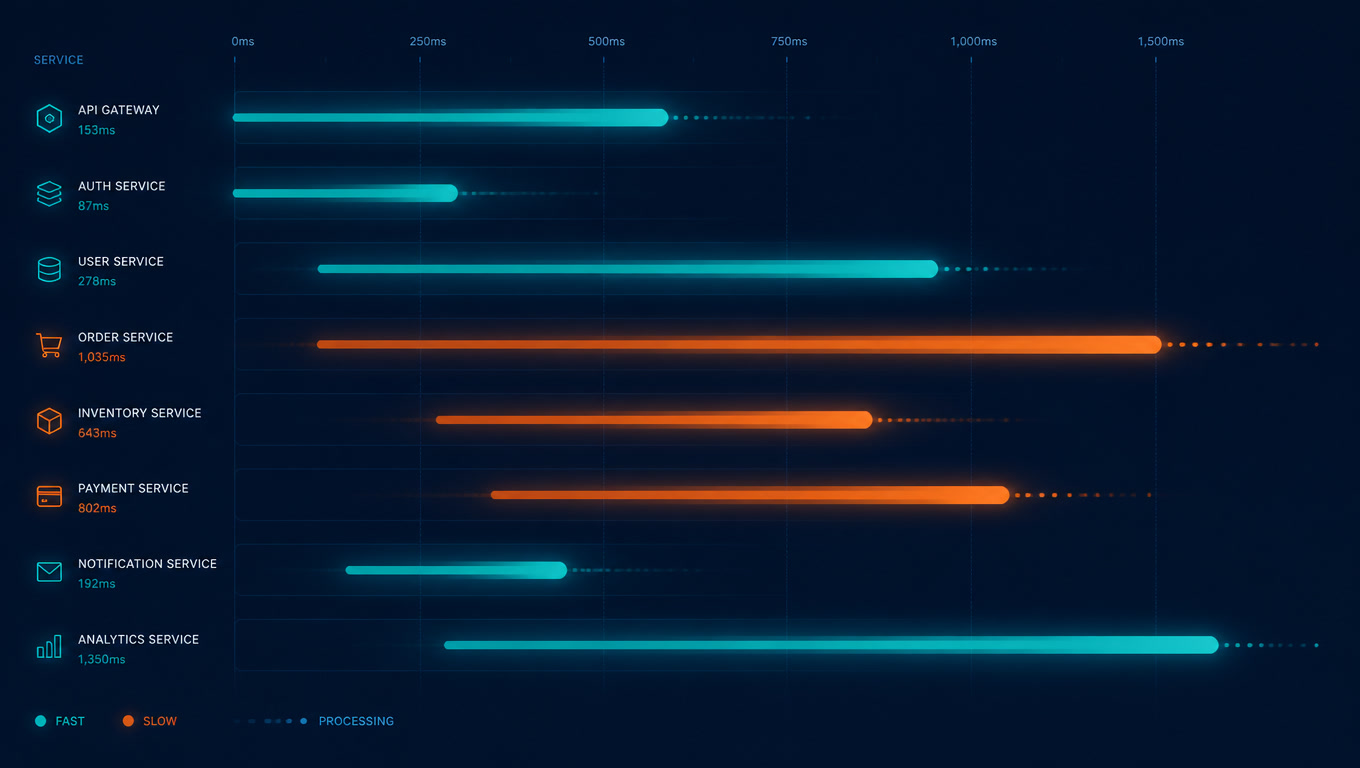
The headline metric is speed. The official benchmarks are solid: docs.astro.build (6,313 pages) dropped from 114s to 73s. astro.build itself (308 pages) went from 62s to 24s. Cloudflare's developer docs (8,431 pages) from 386s to 261s.
The gains come from three distinct improvements:
| Component | Before | After | Improvement |
|---|---|---|---|
| Bundling | esbuild + Rollup (JS) | Rolldown (Rust, Vite 8) | 10-30x faster in isolation |
| .astro compilation | Go | Rust (oxc + Lightning CSS) | ~6% on large sites |
| Markdown pipeline | unified/remark/rehype (JS) | Sätteri (Rust) | 60s+ shaved off Cloudflare docs |
The actual improvement depends on your site's build profile. If 40% of your build time is Markdown processing, Sätteri alone can cut minutes. If bundling is your bottleneck, Rolldown is the star player.
From our experience: the 2,500-page editorial portal we migrated from WordPress to Astro 6 had a 4-minute 12-second full build. Markdown processing — running unified with half a dozen plugins — was the slowest phase. With Sätteri, we estimate that same site would drop to ~2:30-3:00, a 28-40% improvement. For a site that rebuilds several times daily with fresh content, that's real time recovered.
Sätteri: The Markdown Pipeline That Buries unified
The most underrated change in Astro 7 is Sätteri. It's not just speed — the native pipeline implements features that previously required separate plugins: GFM tables, smart punctuation, heading IDs, container directives, LaTeX math, wikilinks. All built-in.
What this means for content teams: if you manage 500+ Markdown articles, Sätteri eliminates the dependency chain of JavaScript plugins that has been accumulating since the unified era. Every plugin in unified walks the entire AST on every pass. Sätteri lets plugins declare which node types they care about and skip the rest. On large sites, the difference is dramatic.
The catch: if you depend on very specific remark or rehype plugins (toc, autolink headings, emoji, custom transformers), not all have Sätteri equivalents yet. The unified pipeline remains available via @astrojs/markdown-remark, but it's explicitly the legacy path. Teams with deep Markdown customizations should test the migration before committing.
Our take for agencies: if your clients use Markdown with standard plugins (GFM, tabs, admonitions), Sätteri covers them with zero config. If your clients use custom shortcodes or very specific transformations, keep unified until Sätteri matures. Either way, having a structured content model makes migrations like this much more predictable.
Advanced Routing: fetch.ts Changes the Game
Astro 7 introduces src/fetch.ts, a standard fetch handler entry point following the pattern popularized by Cloudflare Workers, Deno, and Bun. For the first time, you get full control over Astro's request pipeline without fighting legacy middleware.
// src/fetch.ts — full pipeline control
import { astro, FetchState } from 'astro/fetch';

export default {
  fetch(request: Request) {
    const state = new FetchState(request);

    // Route API requests to a separate backend
    if (state.url.pathname.startsWith('/api')) {
      const url = new URL(state.url.pathname + state.url.search, 'https://backend-api.example.com');
      return fetch(new Request(url, request));
    }

    // Fall through to Astro pages
    return astro(state);
  }
};
Why this matters: previously, if you needed auth to run before Astro Actions, or timing logging to wrap only page rendering, you had to work against the pipeline instead of composing it. With fetch.ts, you order middleware exactly as needed: i18n first, then auth, then actions, then pages. It's Hono-compatible, so existing Hono middleware works directly.
For a bilingual content site like ours at Mintec — with conditional redirects by country, endpoints that mix static content with dynamic data — this eliminates workarounds that previously required proxy layers or duplicated logic. It's a natural complement to the Server Islands approach we already use for dynamic content without sacrificing performance.
Stable Route Caching with CDN Providers
Route caching, experimental in Astro 6, is now stable and integrates with CDN providers. You define caching rules per route and per tag, with webhook-driven invalidation:
// astro.config.mjs
export default defineConfig({
  cache: { provider: memoryCache() },
  routeRules: {
    '/blog/[...path]': { maxAge: 300, swr: 60 },
  },
});
Experimental CDN providers for Netlify, Vercel, and Cloudflare (private beta) push caching directives to the edge network. Cached responses serve from the nearest CDN POP without invoking the server function. For LatAm traffic, where origin latency can be 200-400ms to US-based servers, having responses cached at the nearest Cloudflare POP is a tangible Core Web Vitals improvement.
Breaking Changes to Watch For
The new Rust compiler brings three important behavioral changes:
No more HTML correction — The Go compiler silently rewrote markup (reordering elements, auto-closing tags). The Rust compiler treats your markup as-is. If you relied on this leniency, you'll see errors.
JSX-style strictness — Unclosed tags and unterminated attributes now produce errors instead of being silently "fixed." These are real bugs that the old compiler masked.
JSX whitespace handling — Newlines between inline elements no longer produce visible spaces.
{''}is now required to preserve spaces between inline elements.
Other migration notes: Node.js 18 and 20 are dropped (22+ required). Astro.glob() is removed (use import.meta.glob()). <ViewTransitions /> becomes <ClientRouter />. Zod 3 → Zod 4 brings stricter schema validation.
The Astro team reports a 1-2 hour migration budget for a 50+ page site. Our experience with Astro 5→6 migrations confirms that estimate — the migration is mechanical (find-and-replace for Astro.glob() → import.meta.glob(), update Zod schemas, test compiled templates).
Should You Upgrade Today?
Here's our decision framework, based on the projects we've run:
| Site Profile | Upgrade Now? | Why |
|---|---|---|
| Content-heavy (1,000+ pages, heavy Markdown) | ✅ Yes | Sätteri and Rolldown deliver the biggest gains. Build time improvement alone justifies the migration. |
| Custom remark/rehype plugins in use | ⚠️ With caution | Test Sätteri first. If your plugins lack equivalents, keep unified legacy. Migrate when alternatives exist. |
| Small site (<100 pages, Astro 6 running fine) | ⏸️ Wait | The gains are real but marginal for small sites. No urgency — Astro 6 continues working. |
| Dashboard or app with heavy Live Collections | ✅ Yes | Stable queued rendering and route caching directly improve user-facing performance. |
| Media-heavy site (many images/video embeds) | ⏸️ Evaluate | The Rust compiler helps marginally. Main gains are in Markdown and bundling. Migrate when updating other components. |
What doesn't change: Astro remains platform-neutral (deploys to Cloudflare, Vercel, Netlify, AWS, self-hosted). The core team has stable funding through Cloudflare. The roadmap is public. The community keeps growing.
What does change: builds are noticeably faster for content sites. The Markdown pipeline sheds years of technical debt with unified. HTTP pipeline control is finally flexible. And the AI-oriented features (background dev server, JSON logging, agent detection) hint at where web development tooling is heading.
Conclusion
Astro 7 isn't a cosmetic update. It's a deep re-engineering of how the framework handles the most expensive parts of the build: bundling with Rust via Rolldown, component compilation with a Rust compiler, and Markdown processing with Sätteri. For content sites — the core of what we build at Mintec — the gains are direct and measurable.
If your site is content-heavy, migrate now. If it's small or uses highly customized plugins, test first but don't wait too long — the ecosystem is moving fast.
We're already planning the migration for our Astro 6 sites. The benchmarks from our 2,500-page editorial portal confirm the effort is worthwhile. As we outlined in our real-world Astro vs Next.js benchmarks, Astro's advantage for content sites just got significantly wider.
For teams still deciding between headless and traditional CMS architecture, our guide on composable web architecture remains relevant — but with Astro 7, the case for static-first with selective Server Islands is stronger than ever.
Frequently Asked Questions
What are the biggest changes in Astro 7 vs Astro 6?
Astro 7 upgrades to Vite 8 with the Rolldown bundler (Rust), rewrites the .astro compiler from Go to Rust, replaces the Markdown pipeline with Sätteri (Rust), stabilizes queued rendering and route caching, and introduces advanced routing via src/fetch.ts. Builds are 15-61% faster depending on site composition.
Should I migrate my Astro 6 site to Astro 7 now?
It depends on your site profile. Content-heavy sites (thousands of pages, heavy Markdown usage) see the biggest gains. Sites with custom remark/rehype plugins should test Sätteri compatibility first. Small sites under 100 pages running Astro 6 well have no urgency to migrate.
What breaking changes does Astro 7 introduce?
The new Rust compiler no longer corrects HTML automatically — unclosed tags and unterminated attributes now produce errors. Whitespace handling follows JSX conventions (newlines between inline elements no longer produce spaces). The Sätteri Markdown pipeline requires Node.js 22+ and legacy remark/rehype plugins need migration. Astro.glob() has been removed in favor of import.meta.glob().