TikTok Search Hubs: How Social Search Is Redefining Paid Media in 2026
TikTok launched Search Hubs at TikTok World 2026 — branded search destinations inside the app. Combined with TikTok Search Ads, this transforms TikTok into a serious search advertising platform. Here's what we're seeing in real campaigns and how the paid media playbook is changing.
TikTok Search Hubs: How Social Search Is Redefining Paid Media in 2026
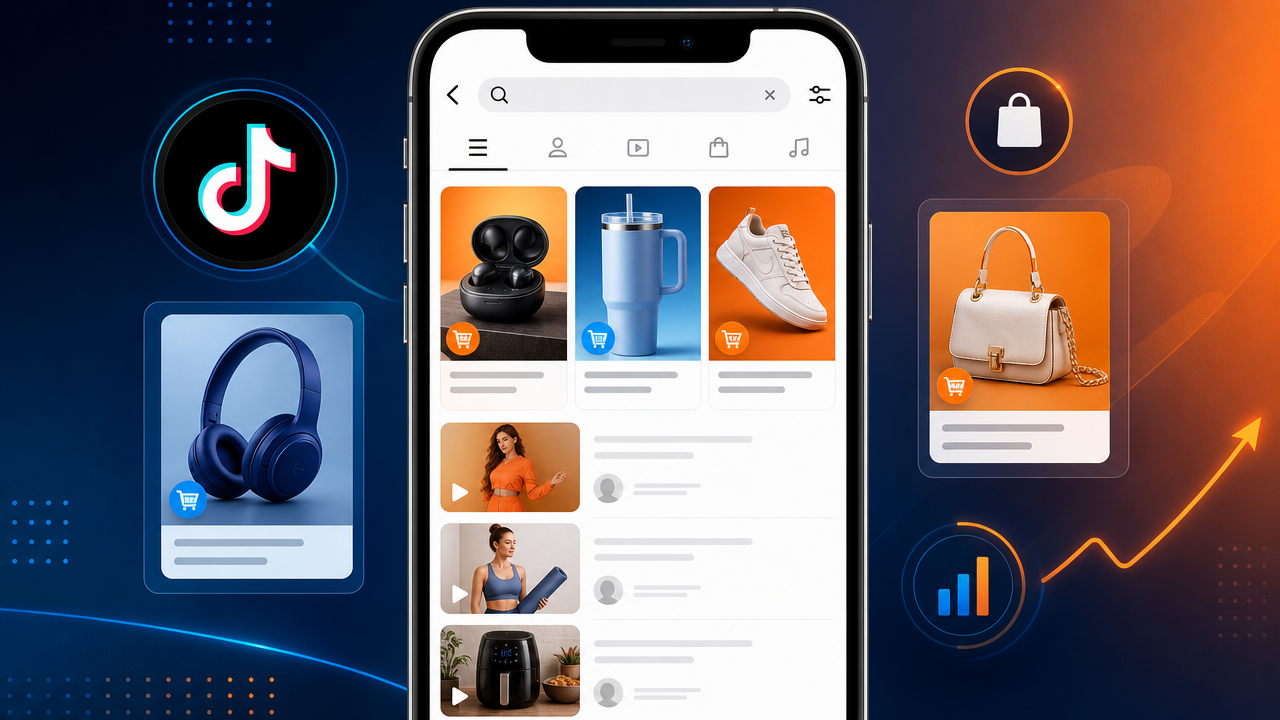
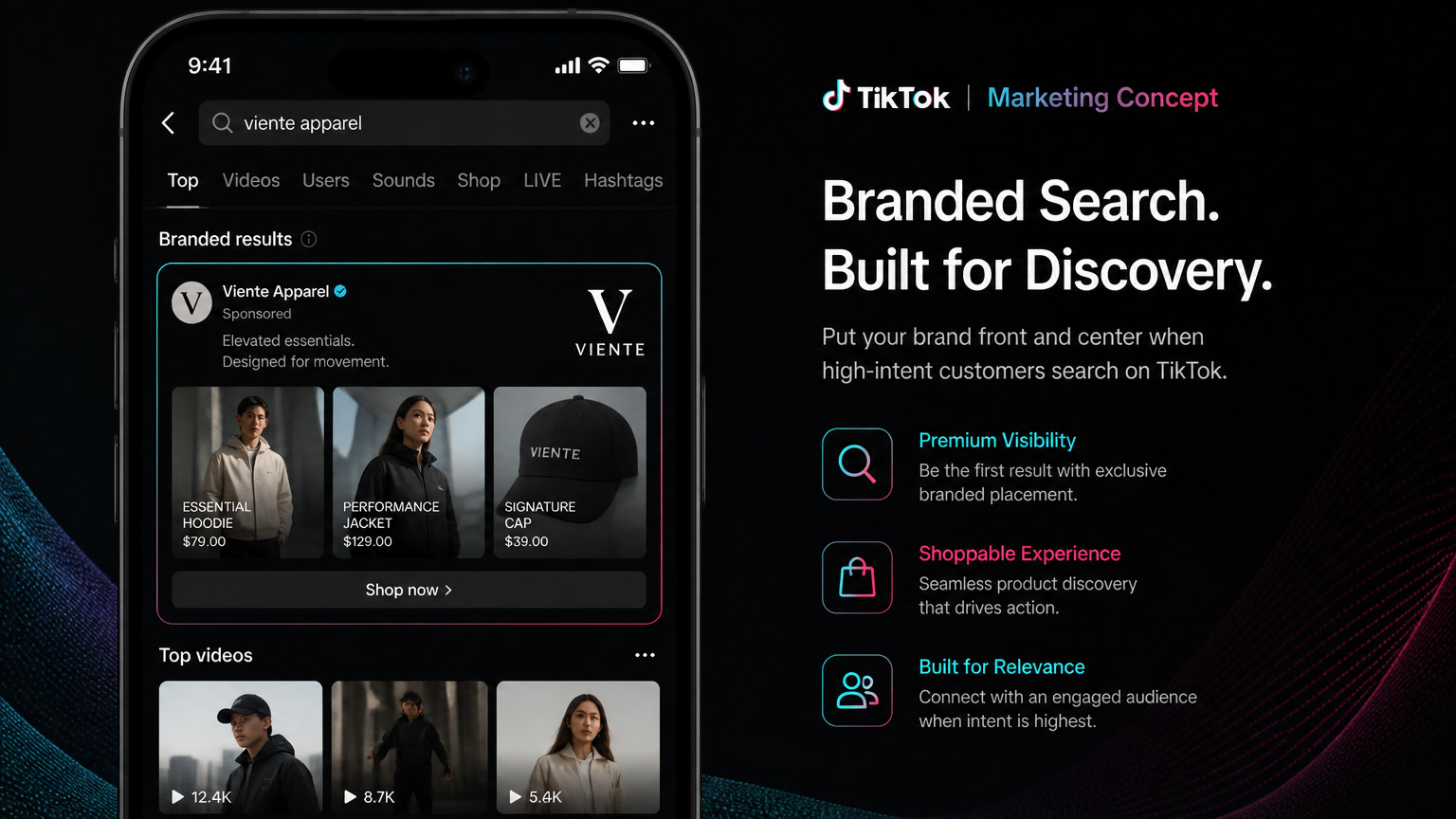
At TikTok World 2026, TikTok launched one of the most significant advertising tools in years: Search Hubs. These are branded search destinations within the app — premium real estate at the top of TikTok's search results, aggregating a brand's content, products, and creator partnerships in one native space.
Combined with TikTok Search Ads (now 18 months out of beta and described by multiple agencies as TikTok's fastest-growing ad format), this represents a structural shift in how we think about paid social. TikTok isn't just a discovery engine anymore. It's becoming a search engine — one with purchase intent baked into the user experience.
What Search Hubs Actually Do
Search Hubs are essentially landing pages inside TikTok. When a user searches for "best running shoes" or "vegan moisturizer," a brand's hub can appear as the first result, featuring:
- Organic brand content (TikTok posts, stories)
- In-Feed and TopView ad placements
- Product catalogs synced with TikTok Shop
- Creator content and UGC reviews
- Interactive experiences and Branded Effects
This isn't a minor feature update. TikTok is building a search advertising ecosystem that competes directly with Google, Amazon, and Meta for product discovery — on the platform where Gen Z and Millennials already spend more time than anywhere else.
As we outlined in our breakdown of Meta vs TikTok for full-funnel strategy, each platform is evolving toward its natural advantage. For TikTok, that advantage is visual discovery with purchase intent.
TikTok Search Ads: Real Performance Data
Before Search Hubs, TikTok had already rolled out Search Ads — keyword-based ads appearing in TikTok's search results. We've been running Search Ad campaigns for clients since the closed beta, and the results are consistent:
Search Ads convert 30–50% better than standard In-Feed Ads when targeting explicit search intent. The logic is simple: a user actively searching "how to remove acne scars" is far closer to purchase than someone passively scrolling their For You feed.
But there's an important caveat: TikTok's search volume is still low compared to Google. Search Ads work best as a conversion layer within a full-funnel strategy, not as a replacement for In-Feed awareness campaigns.
Here's what we're seeing in real campaigns with a beauty client since February 2026:
| Metric | Search Ads | In-Feed (standalone) |
|---|---|---|
| Avg CPC | $0.38 | $0.29 |
| Conversion rate | 4.7% | 1.8% |
| Impression volume | 1/8 of In-Feed | Baseline |
| Combined ROAS (both active) | 2.3x | 1.4x (In-Feed only) |
The most telling number: combined ROAS of 2.3x when Search Ads and In-Feed ran together. Search doesn't cannibalize — it completes the funnel.
The New Paid Media Framework: Discovery + Intent
At Mintec, we've restructured our TikTok campaign approach around what we call the Discovery + Intent framework. It has three phases:
Phase 1: Feed the funnel with In-Feed and organic content
Search Hubs and Search Ads only work if there are searches. And searches only exist if users have seen your brand content first. Discovery remains the critical top-of-funnel layer. We use Smart+ automation here — covered in detail in our Smart+ vs Advantage+ comparison — to maximize reach on controlled budgets.
Phase 2: Capture intent with Search Ads
Once awareness is established, Search Ads capture users actively looking. The key difference from Google Ads: TikTok search queries are conversational, not transactional. People search "what makeup should I buy" not "buy foundation online." Keyword strategy needs to match this semantic difference.
Phase 3: Consolidate with Search Hubs
When a Search Ad clicks through to a Search Hub, conversion rates jump because the hub delivers a complete native experience: video, catalog, reviews, and CTA all in one place. No landing page redirect. No context switch. Just TikTok-native conversion flow.
Keyword Amplifier and Clickable Comments: The Game-Changers
Two TikTok World 2026 announcements deserve special attention:
Keyword Amplifier lets advertisers bid on specific keywords and have TikTok amplify existing organic content to rank for those searches. You don't need new ad creative. Your existing content, boosted, appears in search results.
Clickable Comments turns comments on sponsored videos into clickable links — straight to your Search Hub or product page. This creates an entirely new conversion pathway: user sees video → reads comment → clicks → buys.
Both tools connect directly with what we discussed in our TikTok Smart+ automation guide, because they reduce manual campaign management overhead while improving conversion paths.
Who Should Invest in Search Hubs Now
Invest now: Brands with audiences under 35, visually-driven categories (fashion, beauty, home decor, travel, food), and active TikTok Shop presence. The early adopter advantage is significant — fewer competitors bidding on search terms, lower CPAs, and the chance to establish brand search real estate before it gets crowded.
Watch and wait: B2B sectors, professional services, audiences over 45. TikTok search volume isn't sufficient yet to justify dedicated investment. For these segments, Meta's Advantage+ ecosystem (covered in our Meta Advantage+ decision framework) remains the better bet for social search intent.
Test small: Any brand with a physical product and visual content. Allocate 10–15% of your TikTok budget to Search Ads for 4–6 weeks. If CPA is competitive, scale. If not, you've learned what your audience searches for — knowledge that pays dividends when the format matures.
Why This Matters for Paid Media in 2026
TikTok Search Hubs and Search Ads aren't just another ad format update. They're a strategic declaration: TikTok wants to be the visual search engine for a generation that no longer opens Google to discover products.
For paid media teams, 2026 is the year to start treating social search as its own channel — with its own metrics, keyword structures, and conversion logic. Search on TikTok isn't Google Ads inside a video app. It's something fundamentally different. And the earlier you start experimenting, the better positioned you'll be when search volume reaches critical mass.
At Mintec, we help brands structure their paid media strategy across TikTok, Meta, and LinkedIn. If you're evaluating whether Search Hubs fit your 2026 roadmap, get in touch.
Frequently Asked Questions
What are TikTok Search Hubs?
Search Hubs are branded search destinations within TikTok. When users search for related terms, a brand's hub appears at the top of results, aggregating official content, product catalogs, creator UGC, and interactive experiences in one native space.
How do TikTok Search Ads work?
Search Ads are keyword-based advertisements that appear directly on TikTok's search results page. Powered by the Search Ads Campaign format in TikTok Ads Manager, they support both video and image carousel assets. The system auto-selects the best creative match for each user's search intent.
Should my brand invest in Search Hubs now?
It depends. If your audience skews under 35 and your product is visually discovered (fashion, beauty, travel, food, tech), the early adopter advantage is real. For B2B sectors or audiences over 45, the search volume isn't there yet — we recommend watching and waiting.