
What AI Search Engines Actually Want: Evidence-Based Content That Gets Cited by ChatGPT, Claude, and Gemini
Claude's leaked system prompt reveals how it selects sources. HubSpot's GEO playbook shows industry-specific pages get 642% more AI citations. Most GEO advice fails because it treats citation like ranking. Here's a different framework.
What AI Search Engines Actually Want: Evidence-Based Content That Gets Cited by ChatGPT, Claude, and Gemini
92% of industry-specific pages got cited by AI search engines. That's from HubSpot's GEO playbook, and it sounds encouraging until you see the other side: generic marketing pages — the ones without concrete data or clear structure — got ignored almost entirely.
The difference between being cited and being invisible isn't about keywords. It's about evidence.
What Claude's leaked prompt reveals about citations
In July 2026, Claude Opus 4.6's system prompt was leaked. It's not the full search prompt, but what it reveals about how Claude (and by extension other engines) evaluates sources is telling.
From analysis of the leaked system prompt and patterns observed by GEO researchers doing reverse engineering:
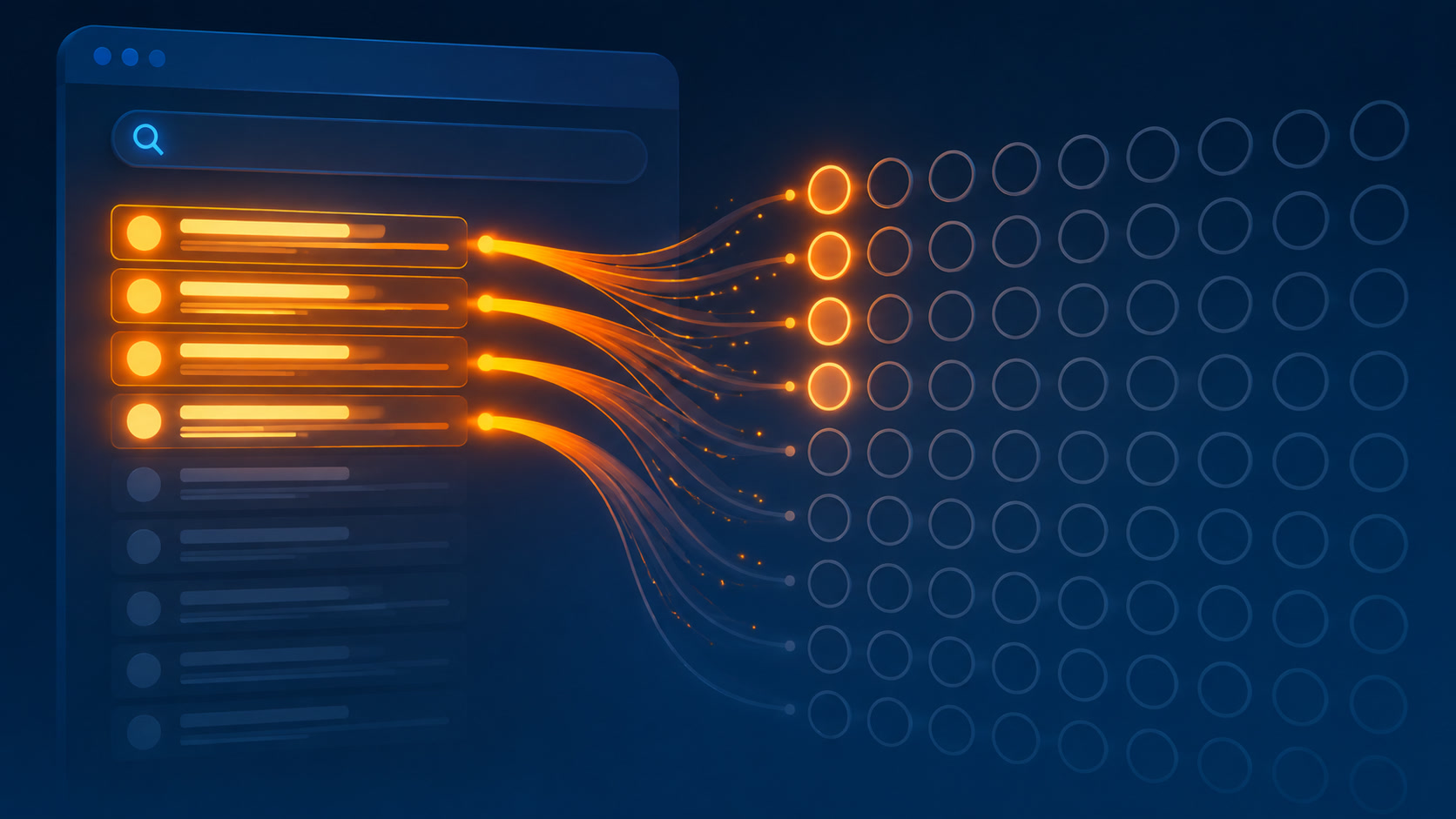
- Claude receives ranked results, not raw ones. The underlying search engine passes a prioritized list. It doesn't start from zero.
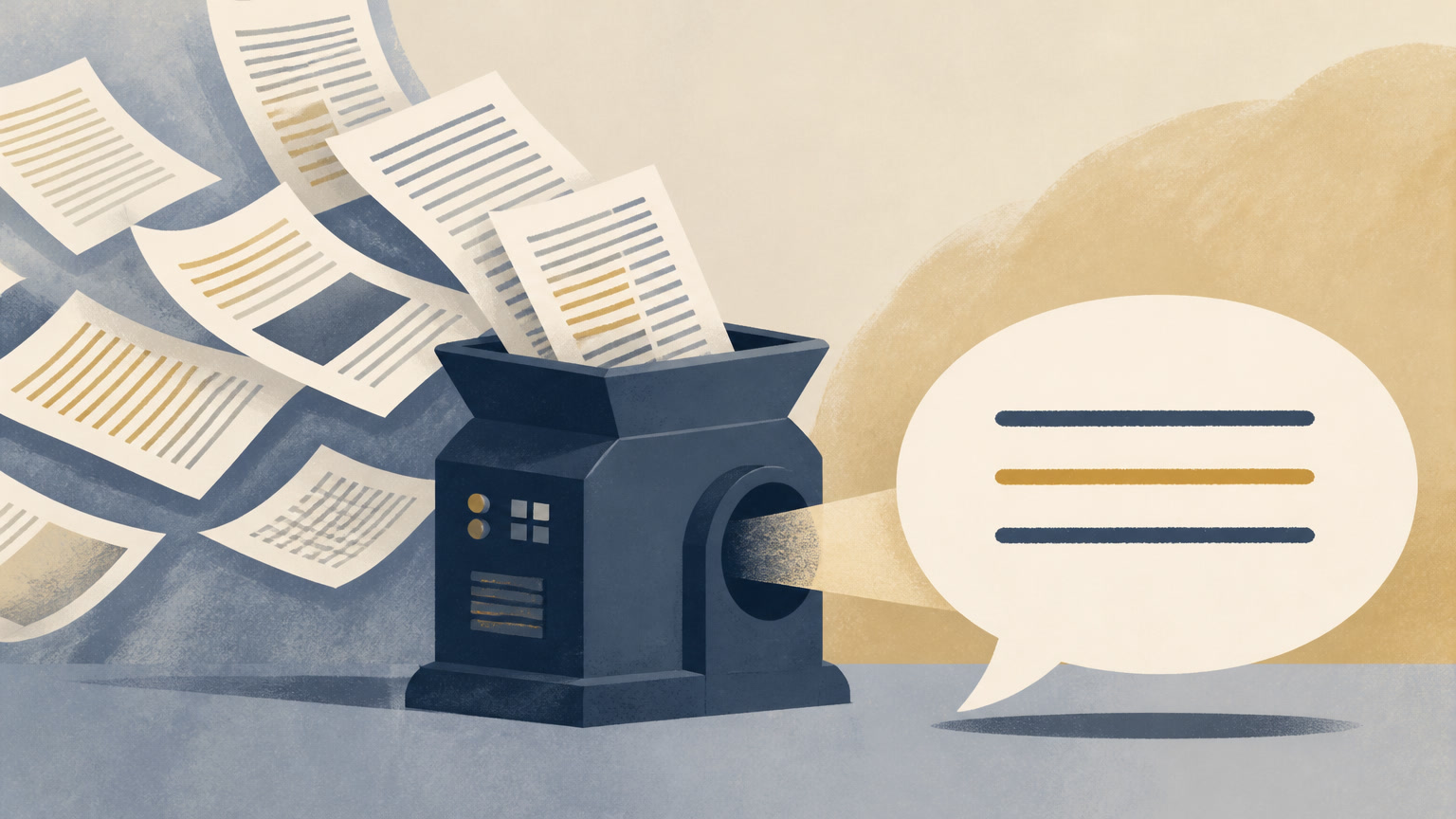
- It opens pages and reads full content. It doesn't stop at the snippet. It evaluates whether the content delivers what it promises.
- It favors original sources with clear structure. Question-based headings, direct answers, visible publication dates, transparent attribution.
- Vague content without concrete evidence gets ignored. If your page says "many companies are adopting AI," Claude can't verify that. If you say "according to Gartner, 73% of companies adopted AI in 2025," that's citable.
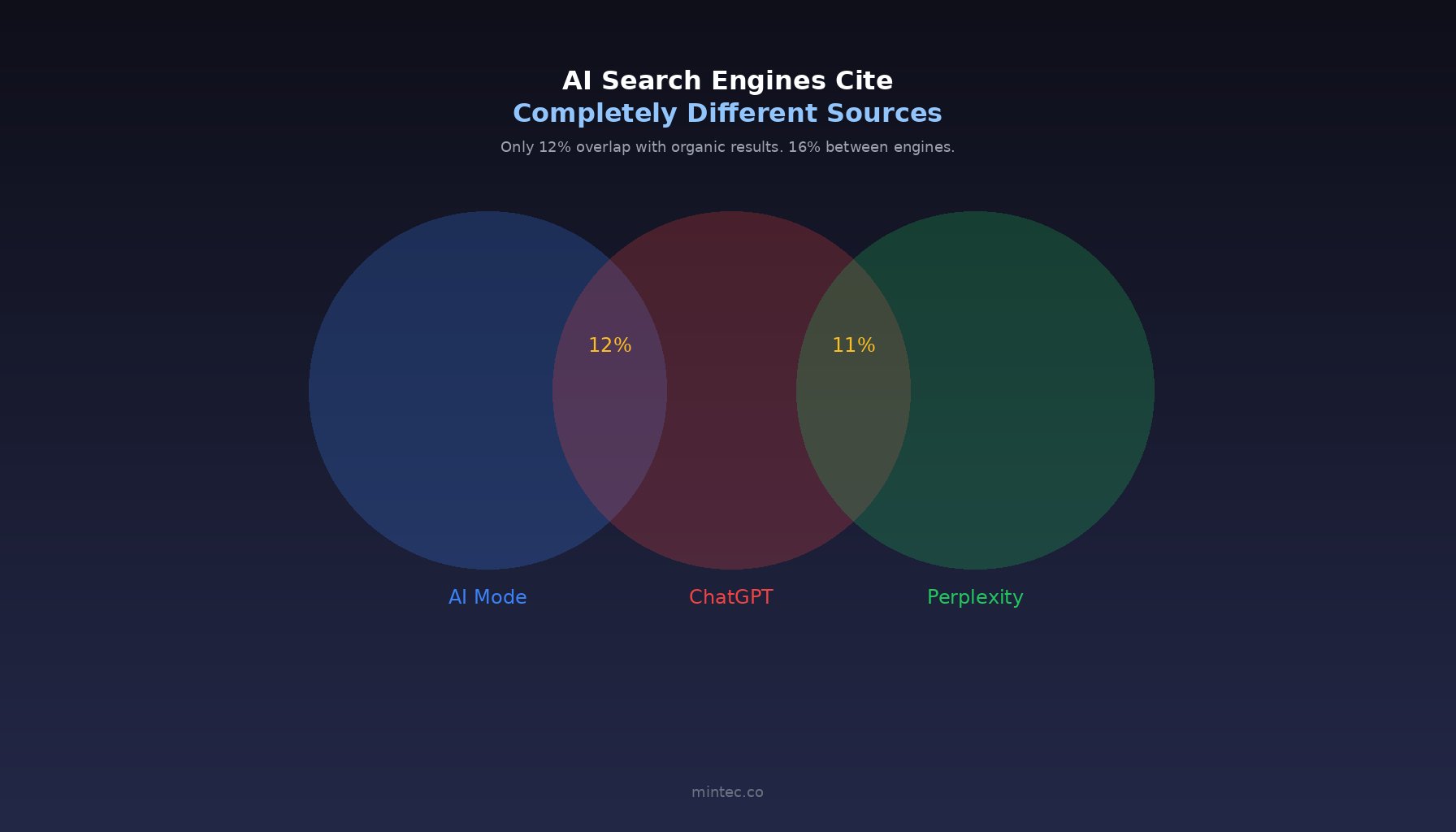
The pattern is consistent with what other GEO researchers have found. Perplexity, Gemini, and ChatGPT Search use similar criteria: they privilege verifiability over optimization.
HubSpot's playbook: the numbers that sting
The data HubSpot shared in its July 2026 GEO playbook should change how you write content:
- 92% of industry-specific pages were cited by AI
- Comparison pages drove a 642% increase in AI citations
- AI-referred leads converted at 3x the rate of traditional search traffic
- 62% of local searches resolve without a click, per LinkedIn's Small Business GEO 2026 playbook
This isn't theory. That's 642% more citations just from having a page that compares two options with concrete data.
And there's more context. In December 2025, Google sued SerpApi for mass scraping — hundreds of millions of requests, a 25,000% volume increase. The lawsuit revealed that multiple AI search engines relied on scraped Google results to generate answers. If those intermediaries get locked down, AI systems will lean even harder on first-party authoritative content.
The problem with most GEO advice
Most of what's written about GEO is wrong because it applies SEO logic to a different problem.
In SEO, you optimize a page to rank in a position. It's a positional game. In GEO, you're not trying to "rank" a page — you're trying to get specific content fragments cited as evidence inside an AI-generated answer.
Different goals. An optimized meta title doesn't help Claude cite you. A 40-word paragraph with a verifiable claim does.
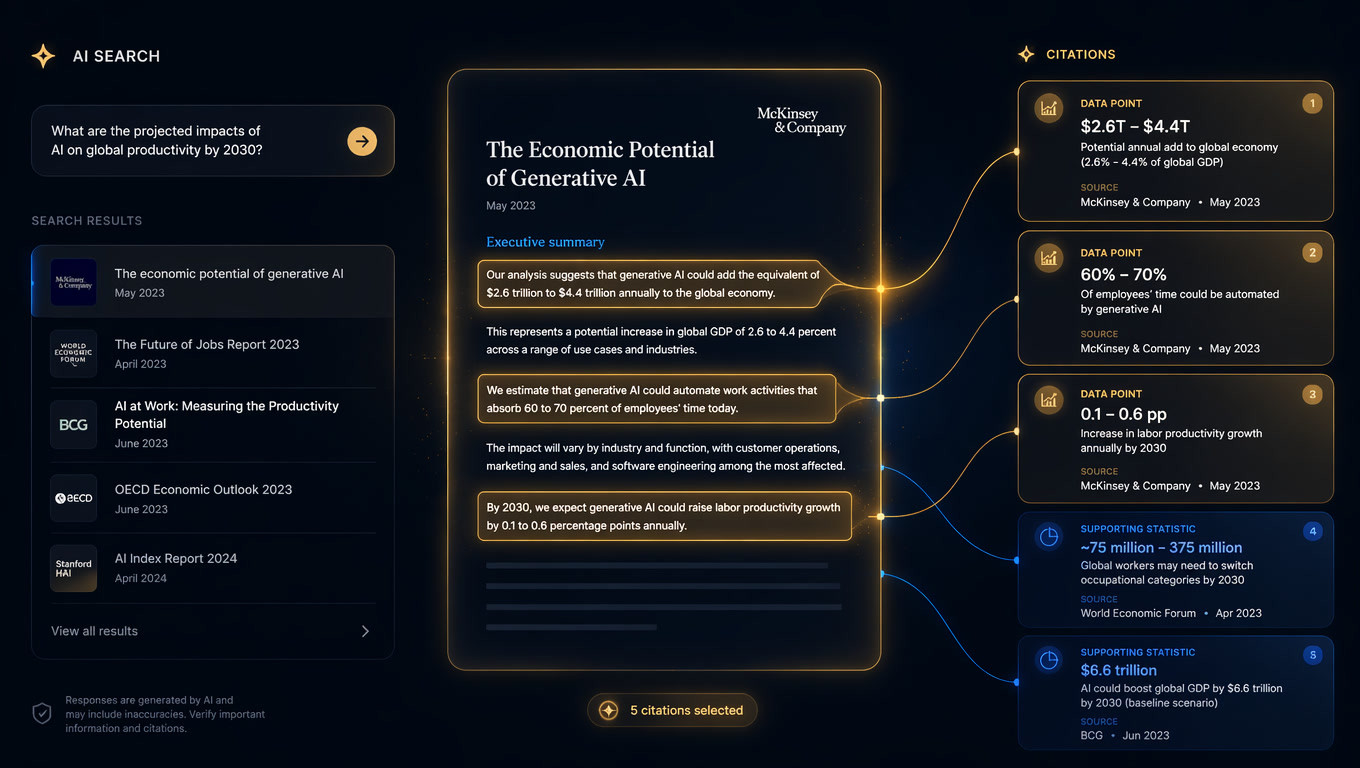
The right framework isn't "optimize for keywords." It's structure for extraction.
The framework: claim-sized content blocks
After analyzing hundreds of cited vs. uncited pages, the pattern is clear. Content that generative engines cite follows a structure we call a "claim-sized content block":
[Direct question or claim] → [Data point or answer] → [Context or evidence] → [Source]
Example of a citable block:
How much did digital ad spend grow in the US in 2025? US digital ad spend grew 16.4% year-over-year to $286 billion, according to the IAB Internet Advertising Revenue Report published in April 2026. The primary drivers were retail media and AI-powered search advertising.
This block is an ideal citation candidate because:
- It has a clear question (matches conversational search intent)
- It gives specific numbers (16.4%, $286B)
- It attributes the source (IAB, April 2026)
- It's self-contained — you don't need the rest of the article
Now compare that to this:
Digital advertising spend in the US has experienced significant growth in recent years, driven by a variety of factors including retail media and new search technologies.
Claude won't cite that. There's nothing to verify. No number. No source. It's air.
Three specific changes you can make
1. Every major claim needs a number and a source. If you can't put a number on it, ask whether the claim is worth making. "The market is growing fast" doesn't earn citations. "The market grew 16.4% in 2025 per IAB" does.
2. Use question-based headings. AI engines use headings to identify what question each section answers. An H2 like "How much does it cost?" is more citable than "Cost analysis."
3. Build comparison pages. HubSpot's 642% increase isn't accidental. Comparisons are naturally citable because they present two options with data, and AI engines use them to answer "which is better" questions.
The cost of not doing this
Every month that passes without AI-citable content structure, the gap widens. The domains that already have authority — Wikipedia, Statista, Gartner, official industry bodies — are the most cited because their content already follows this structure. For smaller brands and agencies, the window to build that citation profile is closing as more competitors do it.
You don't need a 1,000-person survey to start. A well-documented case study, a comparison table with real client data, or even analysis of public data counts as citable content.
What this means for your GEO strategy
In 2025, the question was "How do I get AI search to cite my content?" In 2026, the right question is "How do I structure my content so it's impossible to ignore when AI reads it?"
Those are different questions. The first is passive — you wait to be discovered. The second is active — you build every content block to function as standalone evidence.
The content that wins in GEO won't be the best keyword-optimized page. It'll be the one that gives AI a reason to cite it: a verifiable number, a clear source, a claim that makes the generated answer more credible.
Because generative engines don't cite content out of generosity. They cite it because that fragment makes their answer more trustworthy. And trust, in 2026, is the scarcest currency.
Frequently Asked Questions
How do AI search engines select sources to cite?
According to Claude Opus 4.6's leaked system prompt, AI search engines receive ranked results, open full pages to read content, and favor original sources with question-based headings, direct answers, clear dates, and transparent sourcing. Vague content without concrete evidence gets ignored.
What is a 'claim-sized content block'?
It's a content structure designed for AI citation: starts with a direct question or claim, presents the answer or specific data point, adds context or supporting evidence, and closes with the source. This format makes it easy for generative engines to extract and cite your content verbatim.
Why is most GEO advice wrong?
Because it treats generative engine optimization like traditional SEO. SEO aims to rank entire pages in a list. GEO aims to have specific content fragments cited as evidence within an AI-generated answer. These are different goals requiring different structures.