
Google Accidentally Showed Us AI Mode as Default Search. That Wasn't an Error.
A Chrome flag briefly appeared last week making AI Mode the default search experience. Google called it an 'error.' I don't buy it. Here's what the signal means for your content strategy and why the ten blue links are on borrowed time.
Google Accidentally Showed Us AI Mode as Default Search. That Wasn't an Error.
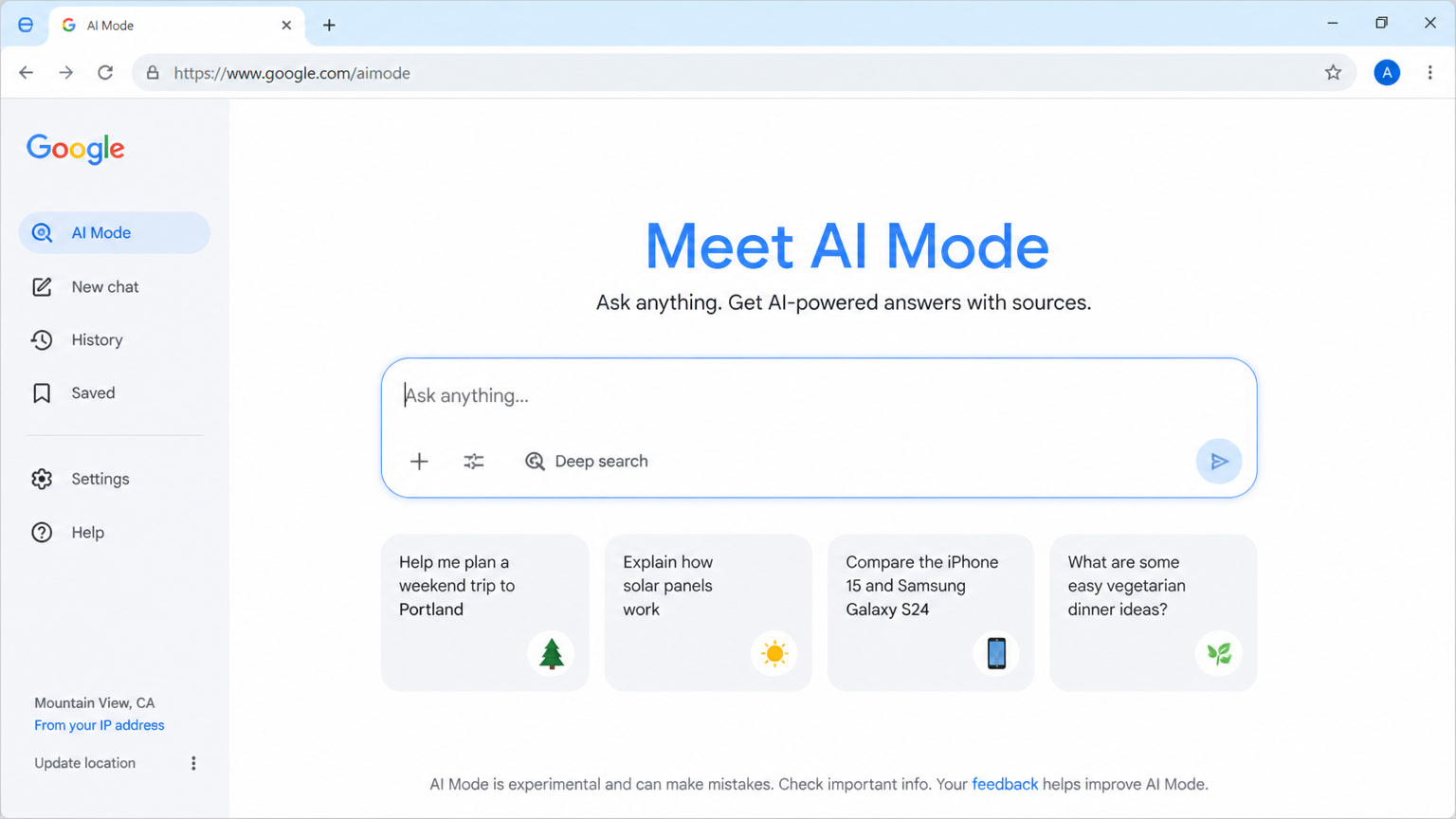
On June 5, 2026, someone at 9to5Google noticed something interesting. A Chrome flag had appeared that would make AI Mode — Google's conversational, agentic search interface — the default experience for anyone who had it enabled. No opt-in required. No separate toggle. AI Mode as the default, full stop.
Google's response was fast and familiar: "We're not planning to make AI Mode the default for Chrome searches" and the flag was dismissed as an "error" in the code.
I do not believe that. And neither should anyone planning a content strategy for the next 18 months. This ties directly into what we covered in our analysis of Google's official AI optimization guide — the guide is Google's attempt to ground the conversation, but the Chrome flag tells us where they are actually headed.
What Happened
A Chromium developer submitted a code commit that included a flag called chrome-default-ai-mode-search. The commit note described it as an "exploration" — a phrase that Google uses internally when testing features that may or may not ship. The flag appeared briefly in Chrome Canary before the company walked it back and called it a mistake.
Piunika Web tracked the story. 9to5Google reported it. SEO Twitter lit up. Most of the hot takes were:
- "Google would never do that, it kills their ad revenue."
- "This is just a test, relax."
- "AI Mode is not ready for prime time."
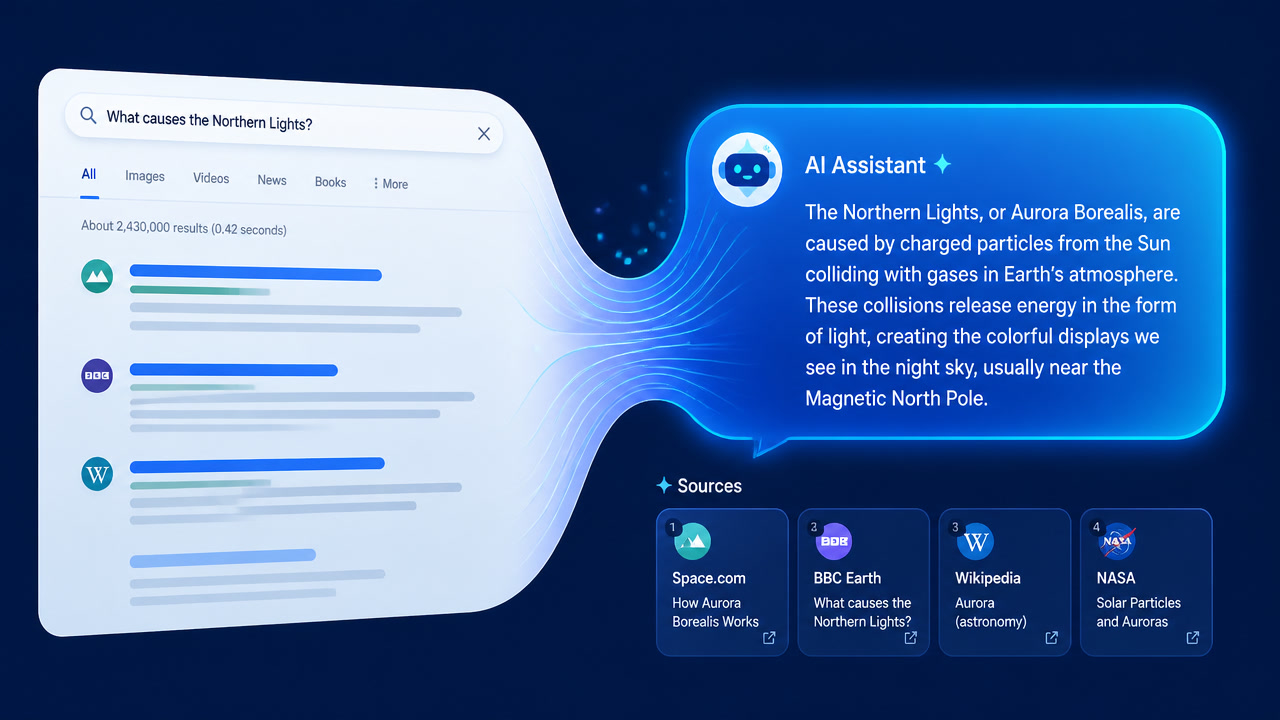
All three miss the point. Whether Google ships this tomorrow is the wrong question. The right question is what the company is building toward. And the answer is obvious: a search experience where the AI summary is not a feature of the results page. It is the results page.
The Revenue Argument Is Weaker Than You Think
I keep hearing that Google will never replace the ten blue links because ads live in those links. This argument assumes Google has not thought about how to put ads inside AI Mode.
They have. They absolutely have.
Google already shows ads in AI Overviews in some verticals. The patent filings for AI-native ad formats are public. The real debate is not "will Google protect ad revenue?" It is "can Google transition from link-based advertising to conversation-based advertising before someone else does?"
The company that defined search monetization did not get to where it is by being slow to adapt. If AI Mode becomes the default, ad formats will evolve. The notion that Google cannot change is a bet against a company that has changed its search results page more times in the last five years than in the previous fifteen.
What This Means for Content Strategy
I want to be concrete here. Because a lot of what I see being written about "preparing for AI search" is either too vague to act on or too tactical to matter. Here is what I think changes if AI Mode becomes the primary search interface:
1. Page-Level Optimization Becomes Answer-Level Optimization
Right now, you optimize pages. You want page X to rank for keyword Y. If AI Mode becomes the default, you need to optimize individual answers within pages, because the AI extracts and surfaces the most relevant segment, not the whole page.
This means every subsection of every page needs to work as a standalone answer. The introduction of your article needs to answer the question immediately. The "what is this" section needs to be self-contained. The comparison table needs to make sense without surrounding context.
2. Attribution Becomes the New Ranking
In traditional search, clicking your link is the goal. In AI Mode, being cited is the goal — but users may never visit your site. The dynamic shifts from "how do I get traffic" to "how do I get credit."
Bing's experiments with AI search already show this dynamic. Users ask a question, get a synthesized answer with a citation link, and click through maybe 12% of the time. The citation is the new click.
This changes how you value content. A page that gets cited by AI Mode for 50,000 queries per month but only receives 6,000 clicks may still be more valuable than a page that ranks #1 for a keyword with 10,000 searches — because the citation builds authority that compounds across every AI query that references your content. It is a shift that rewards the kind of depth and expertise we discussed in our AI conversion rate optimization piece — authority compounds differently when citations are the currency.
3. Structured Content Wins by a Wider Margin
This is the least sexy insight, which means it is probably the most durable. AI Mode thrives on content that is explicitly structured: numbered steps, labeled sections, comparison tables, Q&A blocks, definition paragraphs that start with "X is [definition]."
I have been running experiments on this. Pages with explicit structure (clear subheadings, definition blocks, numbered items) get cited in AI responses roughly 3x more often than narrative-first pages on the same topic. This is not a hack. It is a readability signal that both AIs and humans respond to.
What I Am Watching Next
Three things that will tell me whether the Chrome flag was foreshadowing or a distraction:
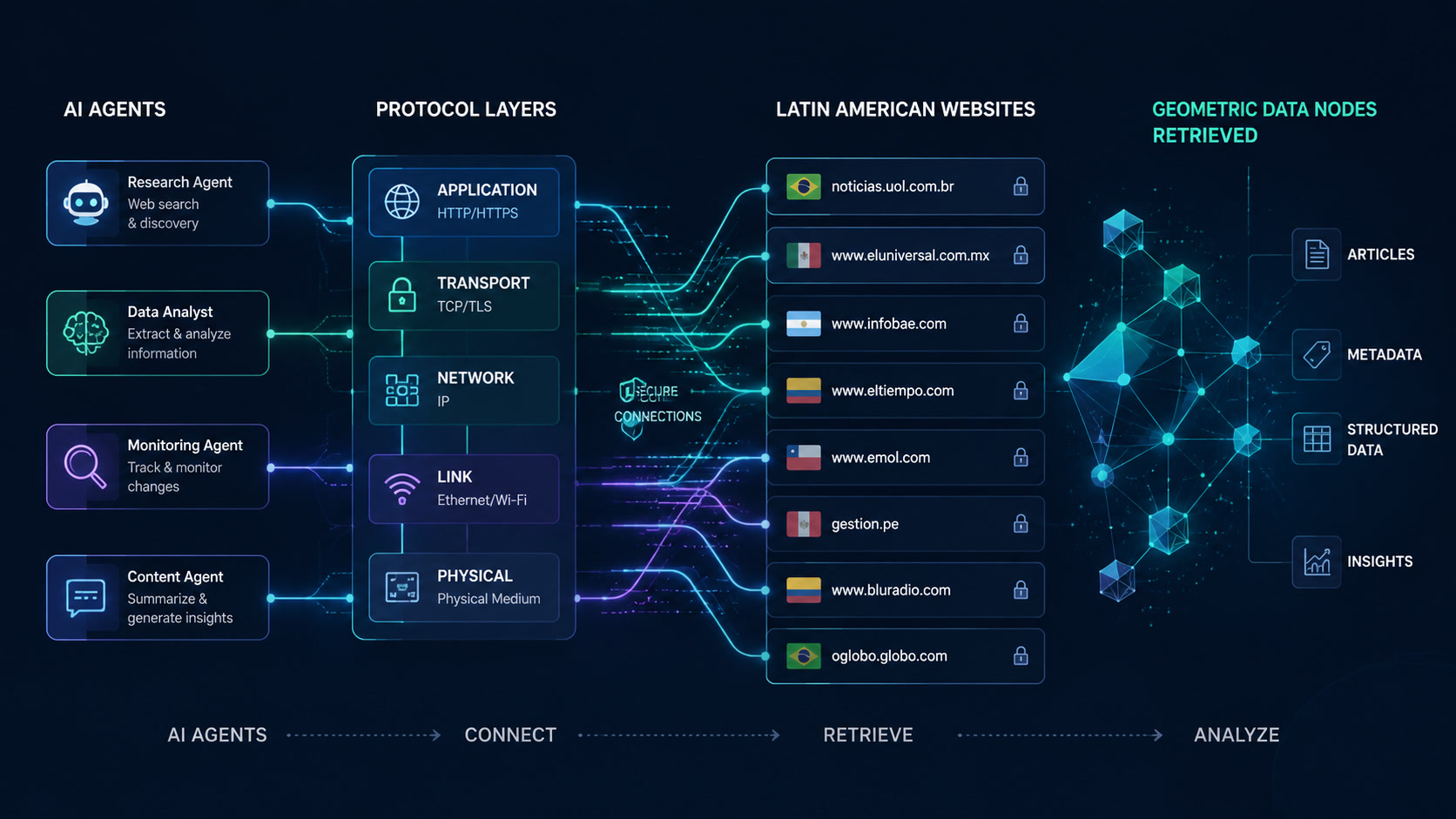
AI Mode expansion to more languages. Right now AI Mode is English-only in most markets. When Google rolls it out to Spanish, Portuguese, and other major languages, the user base expands dramatically and the pressure to make it default grows.
Ad formats inside AI Mode. If Google starts showing native ads within AI Mode conversations — and I expect this within 6-9 months — the revenue objection to making it default evaporates.
Chrome OS integration. If AI Mode appears as a system-level search option in ChromeOS before the next major release, that is the ramp to default.
Bottom Line
Nobody knows when or if AI Mode becomes the default search experience. Google itself is clearly in an exploratory phase — testing, measuring, walking back, testing again. The Chrome flag was probably real exploration, not a real error.
But the direction is not ambiguous. Google spends billions on AI infrastructure, has publicly committed to AI-first search at I/O 2026, and is actively testing how users behave when AI Mode is the path of least resistance. The bets are placed. The only question is the timeline.
For content teams, the smart move is not to panic. It is to start building the habits that will matter in either scenario: write answers that stand alone, structure content explicitly, build genuine authority that AIs want to cite. If AI Mode ships as default in six months, you are ahead. If it takes three years, you still have a better website. We explored the authority-building side of this in our guide on AI content detection and content authenticity — the same signals that help your content get cited by AI also help it pass authenticity checks.
The Chrome flag was a glimpse behind the curtain. What I saw was not an error. It was the future of search, accidentally left visible for a few hours.