
TikTok's Affiliate API overhaul: what the new postback infrastructure actually changes
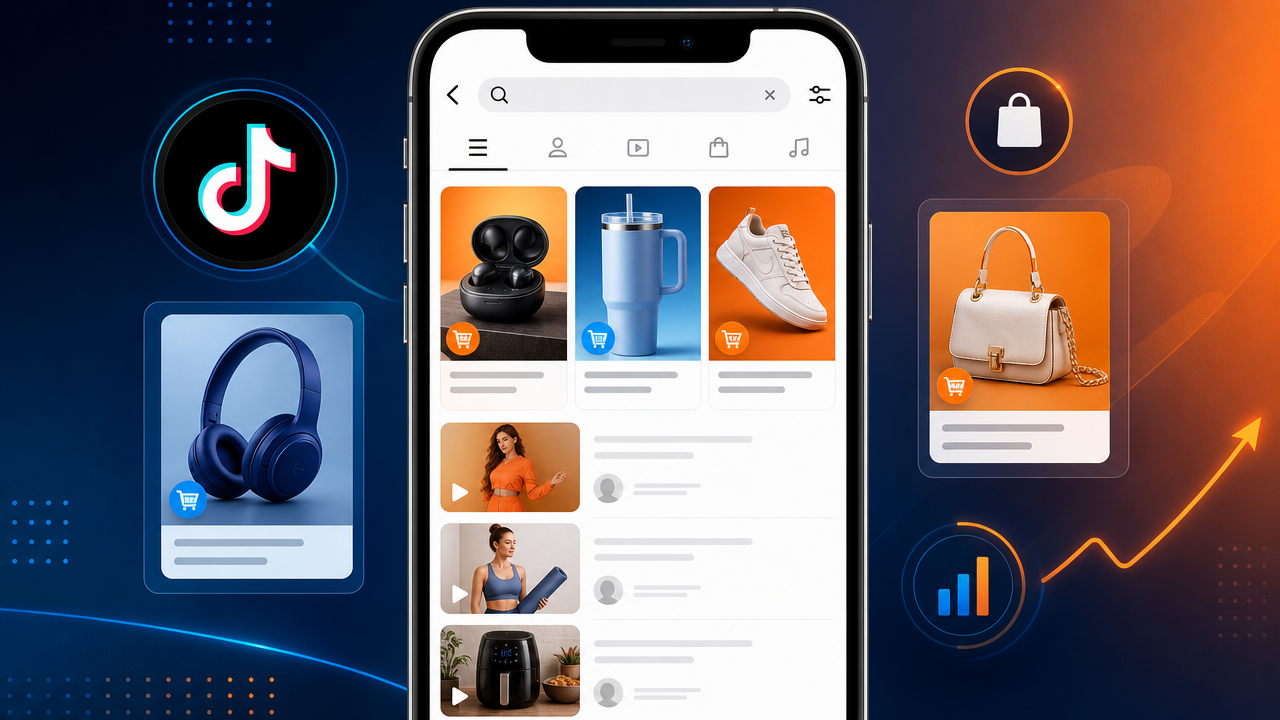
TikTok rebuilt its affiliate tracking API on September 1, 2026: a dedicated event schema, server-side postbacks and SKAdNetwork 4.0 passthrough that eliminate the 6-to-12-hour attribution lag of the old Events API. Early operator data shows CPA compression of 22-34% in e-commerce verticals and learning phases dropping from 5-7 days to 48-72 hours — and the upgrade matters for brands that don't run affiliate traffic at all.
If your TikTok campaigns still report worse than Meta's, part of the problem was never creative — it was the plumbing. On September 1, 2026, TikTok rolled out its rebuilt Affiliate Ad API: a dedicated affiliate event schema, decoupled from the main Ads Manager, with server-side postbacks, multi-touch click path data and SKAdNetwork 4.0 passthrough delivered through a single endpoint. Early data from media buyers who stress-tested the infrastructure in late August shows CPAs down 22-34% in e-commerce verticals, lead-gen CPLs dropping from the $28-42 range to $19-31, and optimization engines exiting learning phase in 48-72 hours instead of the old 5-7 days.
Most commentary frames this as an affiliate story. It isn't — at least not only. The rebuild is a signal-quality story, and signal quality is the constraint every TikTok advertiser is fighting, whether you run affiliate offers or a branded catalog. Here's what actually changed, which numbers are worth acting on, and the framework we use with clients to decide whether this window is theirs to take.
The old setup was a tax on your data
Before the rebuild, TikTok affiliate tracking ran through the same Events API as everything else, but the practical reality for media buyers was duct tape: pixel fires chained into postback URLs, third-party tracker integrations that lagged 6 to 12 hours, and iOS privacy layers ghosting a meaningful share of conversions. One operator quoted in the coverage put it bluntly: the old pixel setup was losing 18-22% of conversion signals on iOS alone, and the new server-side endpoint "fixed that overnight."
We've lived this exact cycle before, on Meta. Brands that moved to server-side Conversions API in 2022-2023 saw optimization improve precisely because the algorithm finally had clean events to learn from. TikTok spent 2025-2026 building the same parity: a stable Web Events API, VBO bidding expansion, Shopify server-side integration. The affiliate API is the last big piece — and because it touches the tracking layer, not just an ad format, its benefits spill over to every campaign type in the account.
What actually changed on September 1
Three structural changes, in order of importance:
- A dedicated affiliate event schema. TikTok decoupled affiliate tracking from the general ad manager flow. Server-side postbacks, multi-touch click path data and SKAdNetwork 4.0 passthrough for iOS now run through one endpoint instead of fragmented pixel setups. For trackers, this is the difference between "complete the loop" and "pray the loop completes."
- Near-real-time attribution. The 6-12-hour lag that forced buyers to wait a full day before judging a campaign is gone. Faster conversion feedback means the learning phase compresses from 5-7 days to 48-72 hours — which changes how often you can refresh creative and how quickly you can scale winners.
- An automated funnel audit. TikTok's compliance layer now scans destination URLs against blocklists of known cloaking patterns before campaign approval. Redirect chains (Keitaro or custom PHP cloakers between the click and the landing page) are being flagged faster. The era of "route around the review" on TikTok is ending.
The tracker ecosystem moved within days: Voluum shipped a dedicated TikTok Affiliate API template on August 29, BeMob followed on September 1, and RedTrack announced a full connector with multi-offer split testing on September 2. That coordination is a signal in itself — tooling vendors don't build integrations for a two-week fad.
The operator-reported numbers (read them with skepticism)
Affiliate Times published the first detailed breakdown on September 2, based on interviews with media buying teams and CPA network account managers. The reported figures:
| Metric | Before (old Events API) | After (Sep 1 rebuild) |
|---|---|---|
| Attribution lag | 6-12 hours | Near real-time |
| Learning phase exit | 5-7 days | 48-72 hours |
| E-commerce CPA (home/pet/kitchen) | Baseline | -22% to -34% |
| Lead-gen CPL | $28-42 | $19-31 |
| App installs | Baseline | -18% Android (iOS flat) |
| Spark Ads advertorial EPC | $0.90-1.50 | $1.80-3.40 |
Two things to keep in mind. First, attribution improvement alone accounts for roughly half of the e-commerce CPA gain — part of the "improvement" is simply that conversions that used to vanish are now counted. That's real signal, but it means the delta will shrink as every advertiser's event quality improves. Second, these are early-window, operator-reported numbers from a niche of aggressive buyers. They're directionally useful, not budget-grade. Don't model your Q4 plan on a 34% CPA drop you haven't measured in your own account.
Why this matters if you don't run affiliate traffic
Three reasons, in the order brands should care:
The optimization engine learns faster for everyone. TikTok's algorithm optimizes on the same event path the affiliate API now cleans up. If your account uses TikTok's pixel alone — no server-side Events API, no clean postbacks — you're still feeding the model the old, lossy signal. The affiliate rebuild doesn't fix your setup; it raises the floor for everyone who does the work.
Compliance is tightening, and cloaking is the canary. The automated funnel audit tells you where TikTok's policy enforcement is heading. If your agency or affiliate partners run redirect chains, quiz funnels with aggressive intermediate pages, or URL rotation that could read as cloaking, this is the moment to clean them — before Q4, when review queues get slower and flag rates go up. We tell clients the same thing we told them about Meta's 2025 crackdowns: an efficiency "trick" that depends on deceiving the platform is a liability, not an asset.
The window is real but temporal. Buyers estimate 6-10 weeks of meaningful CPA advantage before Q4 brand budgets compress the auction — one operator's line was "move now or wait until January." We agree with the direction, and we'd add a caveat: the durable part of this window is the infrastructure, and the temporary part is the pricing. Budget allocated to the arbitrage without testing is gambling; budget allocated to signal quality and creative velocity compounds.
The 3 questions we ask before touching budget
- Is your server-side event path clean? Pixel-only tracking is the new tax. If your TikTok Events API implementation lags, fix it before reallocating anything — otherwise you're optimizing against half your own data.
- Can you measure incrementality? Platform ROAS will overclaim on TikTok just like it does everywhere else. Set a holdout or MTA comparison before moving budget, not after — see our breakdown of TikTok attribution stacks and why the native dashboard still overstates ROAS by 30-60%.
- Would your funnel survive an automated audit? Review your landing pages, redirects and offer funnels against TikTok's new cloaking blocklists. If any step exists to hide what the user is about to see, assume it gets flagged.
Our take
The rebuilt affiliate API is the direction TikTok has been heading for two years: server-side signal, faster learning, stricter compliance. Affiliates captured the first-mover attention because they feel CPA changes immediately — but the brands that win the next quarter are the ones that treat this as an infrastructure upgrade, not a discount code. Use the clean signal to test harder, iterate creative faster, and build measurement you trust: that's the part of the window that doesn't close. For a fuller picture of how the pieces fit — blended GMV Max ROAS numbers including affiliate revenue, the platform's evolving measurement stack, and why Meta attribution windows differ — start with our GMV Max decomposition, the measurement layer breakdown, and our cost benchmarks across TikTok formats. And if you're comparing platforms, we broke down Meta's engage-through attribution change and what it means for cross-platform numbers.
TikTok's auction was already competitive. Now the data feeding it is honest enough to act on — the question is whether your measurement and creative systems are ready for that speed. If you want a second opinion on your TikTok setup before Q4, that's exactly the kind of audit we run for clients.
Frequently Asked Questions
What is TikTok's Affiliate Ad API?
It's the programmatic interface that gives affiliates, media buyers and DSP partners access to TikTok's creator content inventory, dynamic product ad slots and the platform's conversion tracking. The September 2026 rebuild decoupled the affiliate tracking layer from the broader Ads Manager, creating a dedicated event schema with server-side postbacks, multi-touch click path data and SKAdNetwork 4.0 passthrough in a single endpoint.
Why did TikTok rebuild its affiliate tracking infrastructure?
The old Events API setup forced affiliates to duct-tape pixel fires to postback URLs and suffered a 6-to-12-hour attribution lag, with operators reporting 18-22% of iOS conversion signals lost. The new API sends server-side events in near real time, which means the optimization engine exits the learning phase in 48-72 hours instead of 5-7 days.
Is the TikTok CPA improvement durable?
The infrastructure is durable; the CPA numbers are not. Cleaner attribution and faster learning are structural improvements that will last. But the efficiency window is temporal: media buyers estimate 6-10 weeks before Q4 budget inflows compress CPMs and narrow the advantage, so the arbitrage opportunity should be treated as a test window, not a permanent edge.