
Live Shopping Ads: the conversion channel eating your retargeting budget
Live shopping sessions convert at 11-18%, vs. 2-4% on static product pages. We break down Q3 2026 benchmarks, Poppi's 34% lower CPAs vs. Meta retargeting, and the framework for adding live shopping ads to your paid social mix.
Live Shopping Ads: the conversion channel eating your retargeting budget
If your paid social strategy depends entirely on Meta retargeting to convert warm traffic, there is a channel pulling budget away with conversion rates the feed simply cannot match.
Live shopping went from an Asian niche experiment to a conversion channel with hard data. Live sessions with native checkout now convert between 11-18%, according to Q3 2026 data shared at the Shoptalk Europe conference by Gabriella Bock, head of commerce partnerships at Firework. For context, the average conversion rate on static product pages sits around 2-4%.
That is not an incremental improvement. It is a category change.
The numbers no other paid social channel is showing
The conversion headline gets attention, but the full picture matters more for any media buyer planning Q4:
- Conversion rate: 11-18% in live sessions vs. 2-4% on static PDPs (Shoptalk Europe / Firework, Q3 2026)
- Cart size: 23-31% higher during live sessions, driven by bundles and host recommendations
- Return rate: 15-22% lower than site average, attributed to deep product demonstration during the session
- Email/SMS list growth: 4x higher than static pop-ups in controlled comparisons reported by Klaviyo partners
Poppi, the sparkling water brand, ran weekly Tuesday livestreams through Q2 2026 and reported live shopping CPAs 34% lower than their comparable Meta retargeting campaigns, per D2C Times.
For a brand already spending on Meta retargeting, that 34% CPA difference is the signal that live shopping is not "something nice to try." It is a direct competitor for the same budget — just as TikTok Shop vs. Meta Shops was already reshaping social commerce.
Why live shopping works as a paid media layer
The most common mistake when thinking about live shopping is treating it as organic content that might work. The brands getting results treat it as a paid channel with its own budget, its own KPIs, and its own infrastructure.
The architecture that is working in Q3 2026 looks like this:
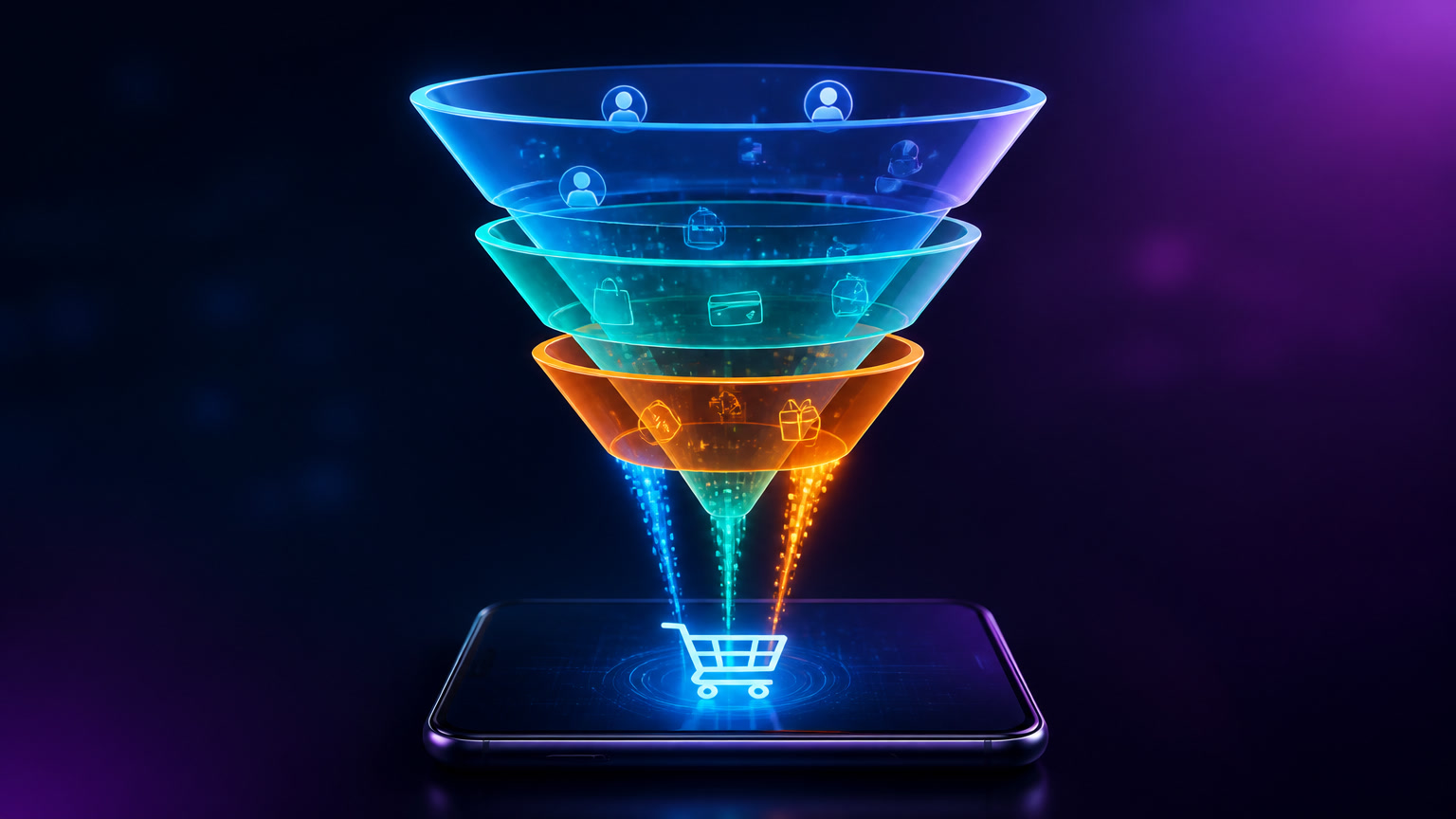
TOF (discovery): Native video ads on TikTok promoting the next live session. They do not sell the product, they sell the experience. The goal is pre-registrations and warm audience.
MOF (engagement): Live Shopping Ads promoting the active stream to users who already interacted with the brand. This is where Poppi achieved those CPAs 34% lower than Meta retargeting.
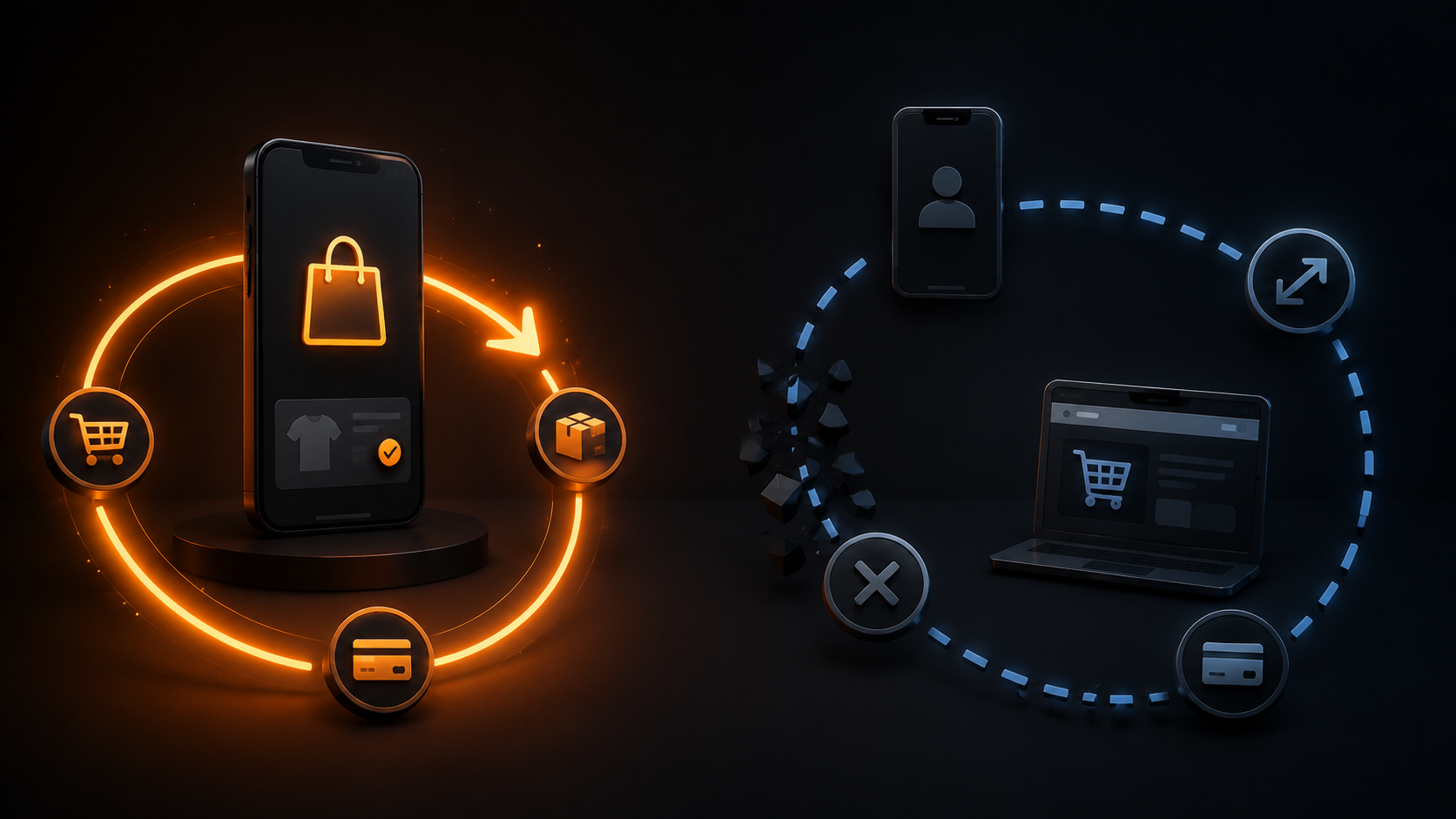
BOF (conversion): Post-session retargeting for users who added to cart but did not complete checkout inside the app. TikTok Shop's native checkout eliminates the redirect friction that has historically killed social commerce conversion.
The operational key: brands treating live shopping as a monthly event see no results. Those running it weekly or bi-weekly with a dedicated host are building a compounding advantage that late movers will struggle to close.
TikTok Shop vs. Amazon Live: two different economies
If you are evaluating where to invest, Q2-Q3 2026 data shows two models with fundamentally different economics:
TikTok Shop:
- 42 million monthly active buyers in the US (June 2026, ByteDance)
- Referral fee: 6% + affiliate commissions 10-20% = total cost of sale 18-26%+ of GMV
- Native checkout (user never leaves the app)
- Sweet spot: products $12-$65 with strong visual appeal
- Risk: buyer data retained by TikTok, no exportable CRM
Amazon Live:
- 170M Prime base as audience pool
- Commission: 8-15% referral + 4-10% creator commission = 12-18% total cost of sale
- Checkout on amazon.com (existing saved payments)
- Sweet spot: products $65+ where specification and trust matter
- Conversion 2-3x higher than TikTok Live in categories like electronics and supplements
For a DTC operator at $2M-$20M revenue, the pragmatic recommendation is to test both with different KPIs: TikTok Shop as a new customer acquisition engine (thinner margins, higher returns), Amazon Live as a conversion and consideration layer for buyers already in intent.
What this means for your paid social mix
If you are still running the same structure from 12 months ago, Meta prospecting plus Meta retargeting plus TikTok organic TOF, you are ignoring a real shift in how brands are distributing spend.
The data does not lie: a channel converting at 15% average and reducing returns by 20% deserves space in your mix. Not as a one-month experiment, but as a permanent layer with its own budget and its own reporting.
Before launching, verify three things:
- Attribution infrastructure: Can your Triple Whale / Northbeam / GA4 capture TikTok Shop native checkout data? If not, you will underestimate the channel by 30% or more, based on Aura Bora's data.
- Live operational capacity: Do you have a dedicated host, or are you improvising? Brands with dedicated hosts report significantly better results than those rotating between team members.
- PDP quality: The live session creates intent, the product page either closes it or kills it. If your PDP is weak, live shopping will generate warm traffic that does not convert on the second visit.
Live shopping is not going to replace your Meta feed. But if Q3 2026 data is any indication, it is already stealing part of your retargeting budget, and it is doing it with better numbers. If you are still evaluating TikTok Shop ad costs, these conversion benchmarks should tip the scale.
Sources: Shoptalk Europe / Firework (Q3 2026), D2C Times (Sep 2026), ByteDance Merchant Summit (Q2 2026), Klaviyo partner benchmarks (Q3 2026)
Frequently Asked Questions
What conversion rates do live shopping ads achieve?
Live shopping sessions in Q3 2026 convert between 11-18%, compared to 2-4% on static product pages. Average cart size during live sessions is 23-31% higher than site average.
Does live shopping replace Meta retargeting?
It does not replace it, but it competes for the same budget. Poppi reported live shopping CPAs 34% lower than comparable Meta retargeting campaigns. Live shopping works as a mid-funnel layer that compresses the consideration phase.
Which categories perform best with live shopping ads?
Beauty, fashion, snacks, products with strong visual or sensory appeal, and average order values between $12-$65. Categories with AOV above $150 still have steeper adoption curves.