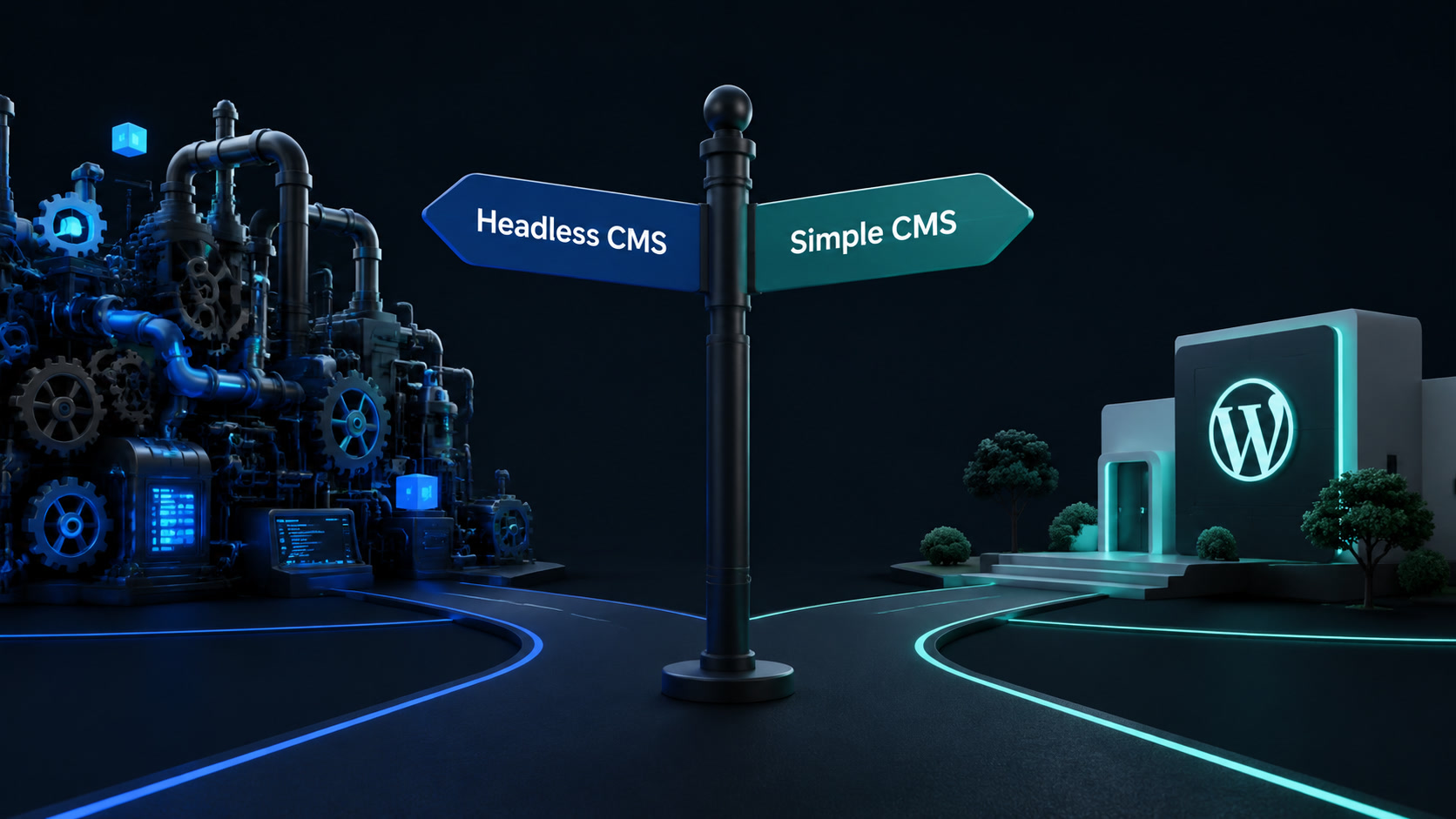


Fimo convierte código generado por IA en sitios web que se mejoran solos
Fimo, la plataforma de sitios web autónomos del equipo de Strapi, se lanzó el 8 de septiembre de 2026. Toma código de Claude Code, Codex o Cursor y lo envuelve con agentes que trabajan 24/7 en SEO, traducciones y actualización de contenido — cada cambio llega a una rama que tú revisas.
Fimo convierte código generado por IA en sitios web que se mejoran solos
El equipo de Strapi acaba de lanzar un producto que redefine lo que significa "sitio web". Fimo, publicado el 8 de septiembre de 2026, toma código generado por Claude Code, Codex, Cursor o cualquier agente de codificación con IA y lo envuelve con un CMS headless, un editor visual y — aquí está lo que importa — agentes autónomos que trabajan las 24 horas para mejorar el sitio después del lanzamiento. Contenido SEO, enlaces internos, correcciones de schema, traducciones, actualización de contenido obsoleto. Cada cambio llega a una rama de Git. Un humano revisa y fusiona. El sitio web no solo existe; se acumula valor.
Hemos construido sitios de clientes con Strapi y Astro durante dos años. Cuando el equipo que creó Strapi lanza un producto que redefinide la categoría que ellos mismos pioneeraron, prestamos atención. Esto no es otro "constructor de sitios con IA." Es una apuesta arquitectónica diferente sobre lo que sucede después de que lanzas.
Qué es Fimo en realidad
Fimo se sitúa entre dos cosas que el mercado ya entiende: generadores de sitios web con IA (que crean un sitio y se detienen) y plataformas de CMS headless (que gestionan contenido pero no lo mejoran). La tesis de Fimo es que ninguno de los dos modelos se ajusta a cómo los sitios web modernos realmente necesitan funcionar.
El producto funciona en tres capas:
Capa 1 — Trae tu código de IA. Construyes o modificas tu sitio con el agente de codificación que ya usas. Claude Code, Codex, Cursor, Copilot. Fimo no reemplaza tus herramientas; toma su output y lo hace editable y listo para agentes. Pierre Burgy, cofundador de Strapi, lo dice sin rodeos: "Los agentes de codificación cambiaron quién escribe el código, pero escribir el código es solo la mitad de la batalla."
Capa 2 — Edita visualmente, despliega desde git. Un CMS visual se monta encima del código real. Haz clic en cualquier cosa, edita en tiempo real, y el código subyacente se actualiza. Tu repositorio sigue siendo la fuente de verdad. No hay "exporta tu sitio" — el código siempre es tuyo.
Capa 3 — Agentes autónomos. Aquí es donde Fimo se diverge de todo lo demás. Los agentes ejecutan según cronogramas que tú configuras: un agente de SEO audita cada página y propone correcciones, un agente de traducción convierte el contenido a siete idiomas, un agente de refresco actualiza páginas obsoletas, un agente de enlaces construye enlaces internos. Cada ejecución abre una rama, corre en un ambiente aislado (servidor dedicado, base de datos, bucket de assets), y espera a que un humano revise el diff antes de fusionar.
El encuadre de "sitio web autónomo" es la historia real
La mayoría del marketing de CMS habla de features. Fimo vende una categoría: el sitio web autónomo. El pitch es que los sitios web no deberían degradarse después del lanzamiento — deberían mejorar. El contenido se obsoleta, el schema se rompe, los competidores publican más, las traducciones se quedan atrás. El modelo actual es "contrata a alguien para arreglarlo trimestralmente." El modelo de Fimo es "los agentes lo arreglan constantemente, los humanos aprueban los cambios."
Esto no es un reencuadre trivial. En nuestra experiencia ejecutando pipelines de contenido para clientes, el mayor cuello de botella no es crear contenido — es mantenerlo. Un sitio multilingüe de 200 páginas pierde tráfico orgánico medible dentro de 90 días si nadie está refrescando, enlazando y actualizando datos estructurados. La pregunta que Fimo responde es: ¿y si el mantenimiento ocurriera automáticamente, con las mismas puertas de calidad que usaría un equipo humano?
La respuesta es el modelo de ramas. Los agentes no obtienen un botón de "publicar." Obtienen un flujo de "proponer un cambio." Este es el mismo patrón que aplicamos en nuestro propio pipeline de publicación asistida por agentes — permisos con alcance limitado, puertas de deduplicación, validación de schema y verificación post-publicación. Fimo incorpora las dos primeras capas en el producto. El paso de aprobación sigue siendo tuyo.
Comparación: dónde encaja Fimo en el ecosistema CMS de 2026
| Dimensión | Constructores con IA (Wix, Framer) | CMS Headless tradicional (Contentful, Strapi) | Fimo |
|---|---|---|---|
| Propiedad del código | No (bloqueado por plataforma) | Sí | Sí |
| Mejora post-lanzamiento | Ninguna | Manual / agentes externos | Agentes autónomos incorporados |
| Edición visual | Sí | Herramienta separada o UI del vendor | Sí, sobre código real |
| Modelo de revisión de agentes | N/A | Pipeline DIY | Revisión basada en ramas (PR) |
| Flexibilidad de stack de IA | Solo modelos del vendor | Solo externos | BYO (Claude, Codex, Cursor) |
| Despliegue | Hosting de la plataforma | Tu infraestructura | Hosting de Fimo (CDN, SSL, dominios custom) |
El vacío que Fimo llenla es la debilidad de la columna central: el CMS headless tradicional te da contenido estructurado y acceso API, pero mantener el sitio vivo es tu problema. Fimo hace que "estar vivo" sea una feature del producto.
Qué significa si eres agencia o equipo de desarrollo
Tres implicaciones prácticas:
1. La conversación de mantenimiento cambia. Cuando puedes decirle a un cliente "los agentes refrescan contenido semanalmente y tú apruebas los cambios," la propuesta de valor cambia de "construimos tu sitio" a "tu sitio sigue performando." Esta es la diferencia entre una tarifa de proyecto y una relación de retención. Nuestro análisis de CMS agéntrico cubrió la categoría formándose en junio — Fimo es el primer producto que hace el modelo autónomo accesible sin construir un pipeline personalizado.
2. El flujo de trabajo de codificación con IA ahora tiene un destino de despliegue. Si tu equipo ya usa Claude Code o Cursor para generar código de sitios, Fimo le da a ese código un hogar de producción con gestión de contenido y mejora continua incorporada. Se acabó el "genial, ¿y ahora quién mantiene esto?" después de que el agente de codificación termina.
3. La apuesta de Salesforce-Contentful se ve diferente. Salesforce cerró su adquisición de Contentful el 1 de septiembre y lo está conectando a Agentforce como capa de contenido para agentes de IA. El enfoque de Fimo es opuesto: en lugar de que la plataforma de agentes de un vendor controle tu contenido, tú posees los agentes, el código y el proceso de revisión. Para equipos que quieren contenido impulsado por agentes sin vendor lock-in, Fimo es la alternativa abierta.
Qué observaríamos antes de adoptar
Evaluación honesta de quien evalúa herramientas CMS para proyectos de clientes:
- La pregunta del lock-in de hosting. Fimo se despliega en su propia infraestructura (CDN, SSL, dominios custom). Para equipos que necesitan desplegar en Cloudflare Pages, Vercel o su propia infra, esto es una restricción. El código es tuyo; el destino de despliegue no lo es (todavía).
- Fiabilidad de agentes a escala. El modelo de ramas es sólido para control de calidad, pero depende de que los agentes generen diffs útiles, no ruido. Con 500+ páginas, la carga de revisión podría superar el beneficio si las sugerencias de agentes no son precisas.
- Claridad de precios. Existe un tier gratuito. Planes pagos para agentes personalizados y controles empresariales. La economía de ejecutar múltiples agentes autónomos por sitio necesitas cuadrar contra los costos de mantenimiento manual.
Estos no son dealbreakers. Son las mismas preguntas que hicimos sobre la arquitectura de producción de Astro antes de comprometerlo para nuestro propio sitio. La respuesta fue: pruébalo en un proyecto real, mide el resultado, decide desde datos.
El fondo
Fimo es el primer producto que hace del "sitio web autónomo" una elección arquitectónica concreta en lugar de una abstracción de marketing. El equipo de Strapi conoce profundamente el espacio CMS, y su apuesta es que la próxima generación de sitios web no solo será construida por IA — será mantenida por IA, con humanos estableciendo las reglas y revisando la output.
Para agencias, es una herramienta a evaluar para clientes con mucho contenido. Para equipos de desarrollo que ya usan agentes de codificación con IA, es una pieza faltante en la cadena "construir → desplegar mantener." Para el mercado CMS, es una señal de que la era del CMS agéntrico no está por venir — se lanzó la semana pasada.
Publicado por Mintec — consultoría de desarrollo web, arquitectura composable y automatización de contenido con IA.
Preguntas Frecuentes
¿Qué es Fimo?
Fimo es una plataforma de sitios web autónomos construida por el equipo detrás de Strapi. Toma código generado por herramientas como Claude Code o Codex y lo envuelve con un CMS, un editor visual y agentes autónomos que mejoran continuamente el sitio — publicando contenido SEO, corrigiendo schema, traduciendo páginas y refrescando contenido obsoleto. Cada cambio del agente llega a una rama para revisión humana antes de fusionarse a producción.
¿Cómo se diferencia Fimo de un constructor de sitios web con IA?
Los constructores con IA (Wix ADI, Hostinger AI, Framer AI) generan un sitio y se detienen. Fimo continúa después del lanzamiento: tu equipo edita contenido visualmente, los agentes mejoran el sitio según un cronograma, y todo se despliega desde tu propio repositorio. El sitio no se estanca después del launch — se acumula valor.
¿Deberían las agencias adoptar Fimo para proyectos de clientes?
Depende de la velocidad de contenido del cliente. Fimo genera más valor para operaciones con mucho contenido: sitios multilingües, actualizaciones frecuentes, estrategias de tráfico orgánico. Para sitios estáticos promocionales, la capa de agentes autónomos añade complejidad sin retorno proporcional. El modelo de revisión basado en ramas es sólido para agencias que necesitan rastreo de auditoría y flujos de aprobación del cliente.